
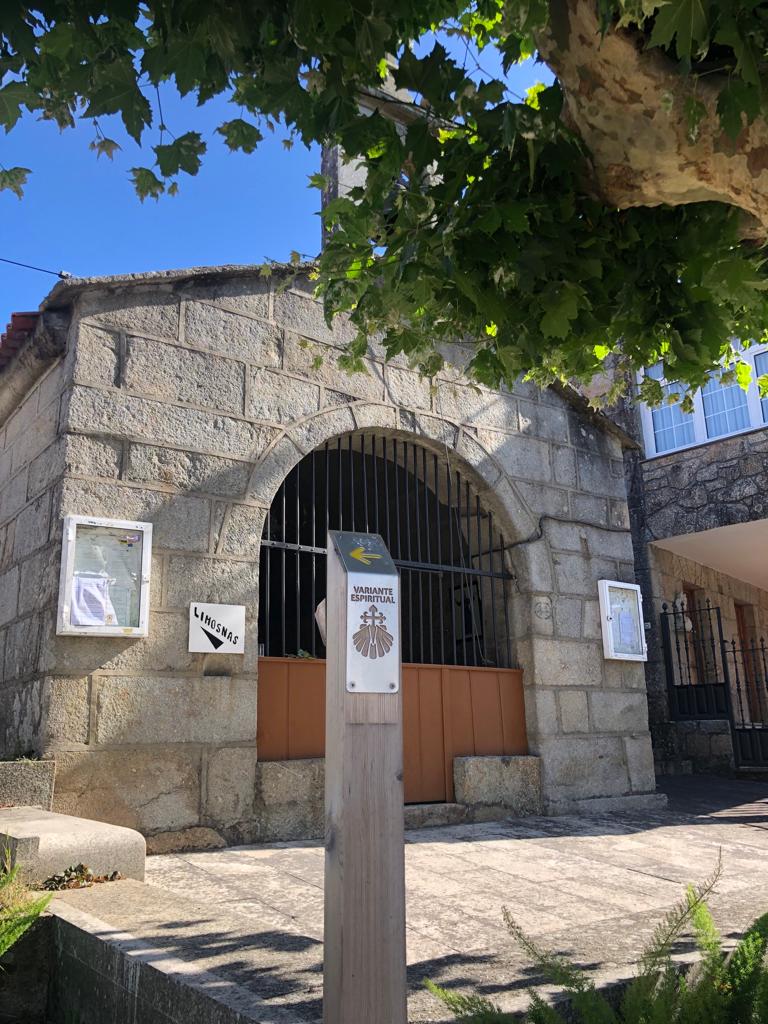








The Legend Behind the Spiritual Variant of the Camino de Santiago
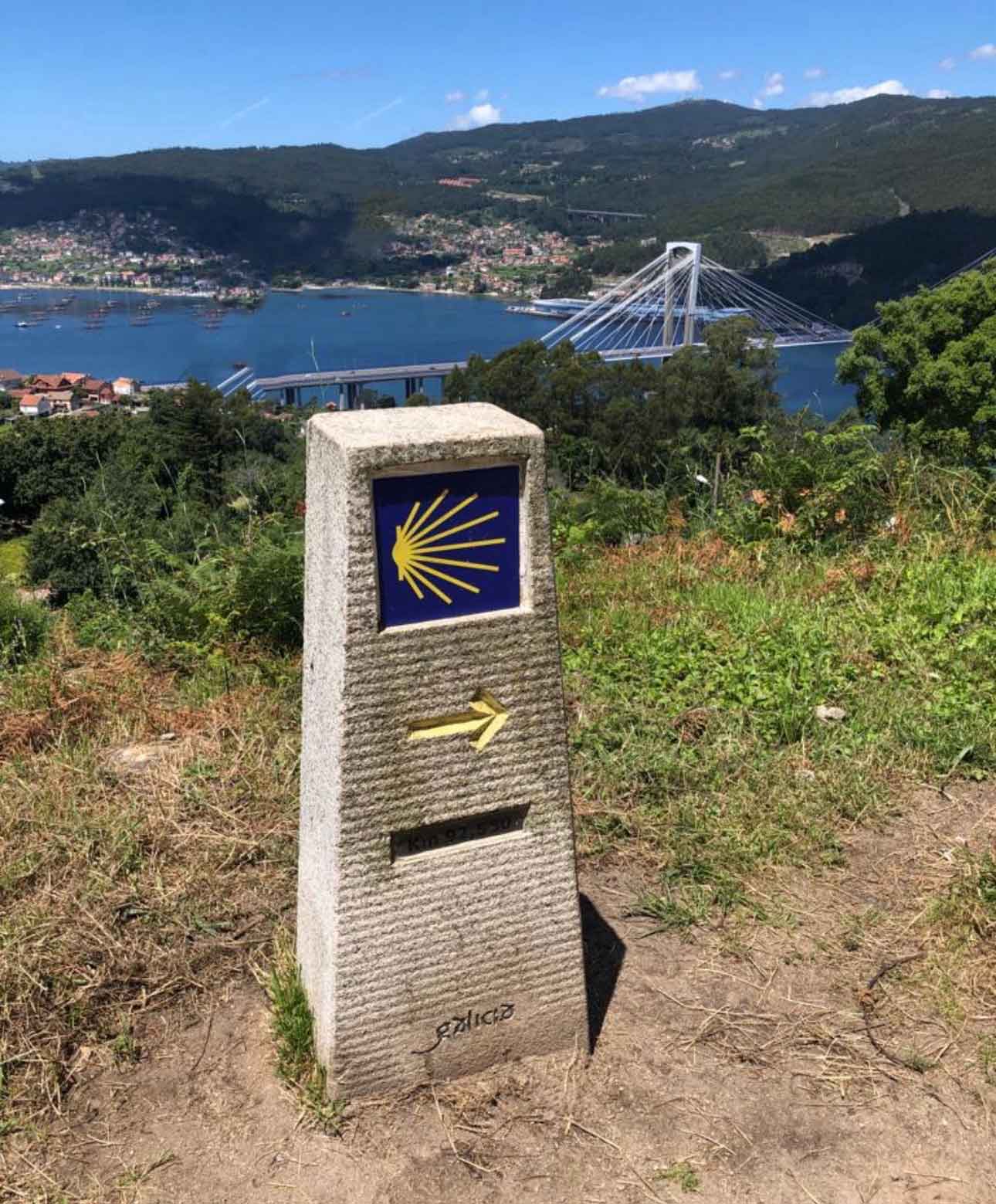
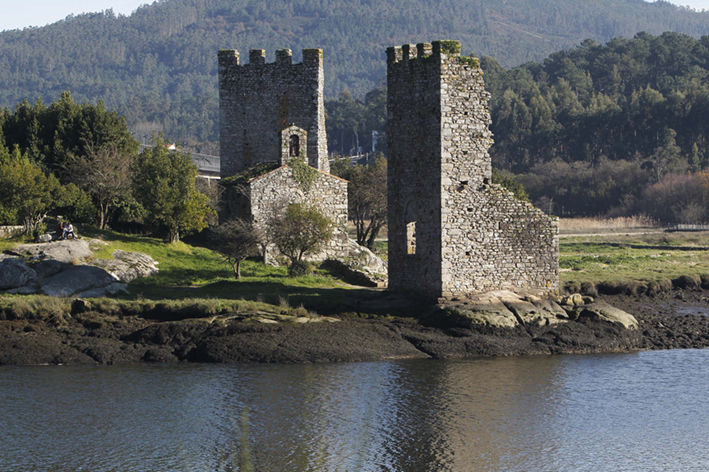
According to tradition, after the Apostle Santiago’s death, his followers Teodoro and Atanasio set out to carry his remains to the farthest point he had reached during his mission in Iberia. Their journey took them across the Mediterranean and along the entire Atlantic coast of the peninsula until, past the shores of Portugal, they sailed into the Arousa estuary and continued up the Ulla river toward what is now the town of Padrón. This alternative to the Camino Portugués, running from Vigo to Santiago, is popularly known as the Ruta del Mar de Arousa, or Route of the Sea of Arousa.
What makes this path unique is that it doesn’t stop at recreating that legendary sea voyage — from Padrón onward, pilgrims retrace the very ground the Apostle is said to have crossed before his burial in what would become Compostela.
Among all the Caminos de Santiago, none follows the Apostle’s own journey as closely as this one — a fitting tribute to a man who, though never a pilgrim himself, inspired countless others to walk in his name.
Walking the Spiritual Variant from Vigo: stage by stage
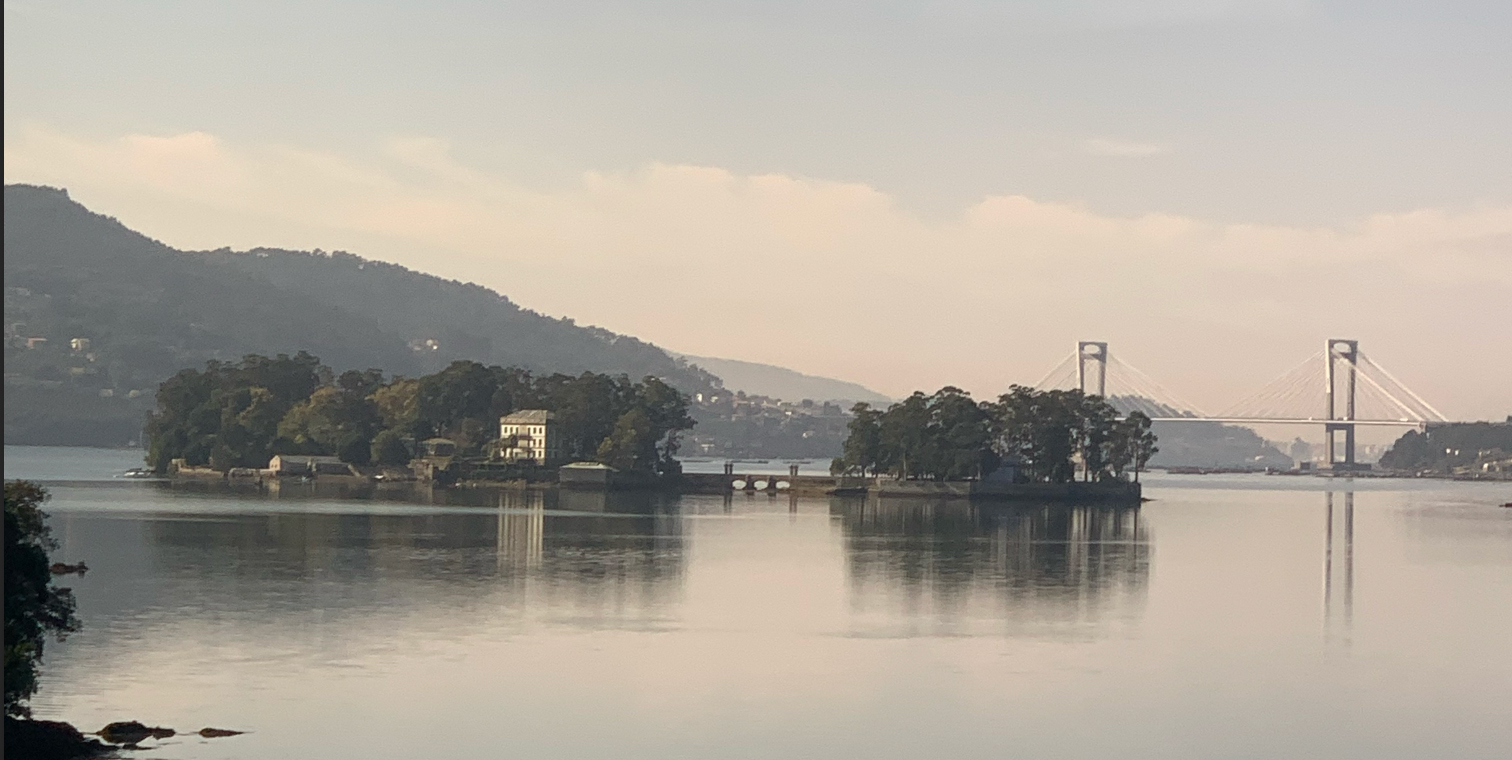
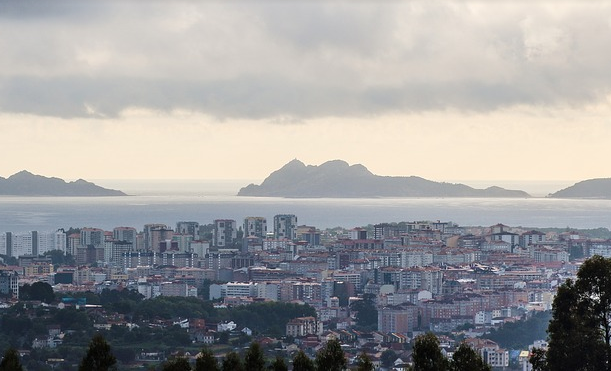
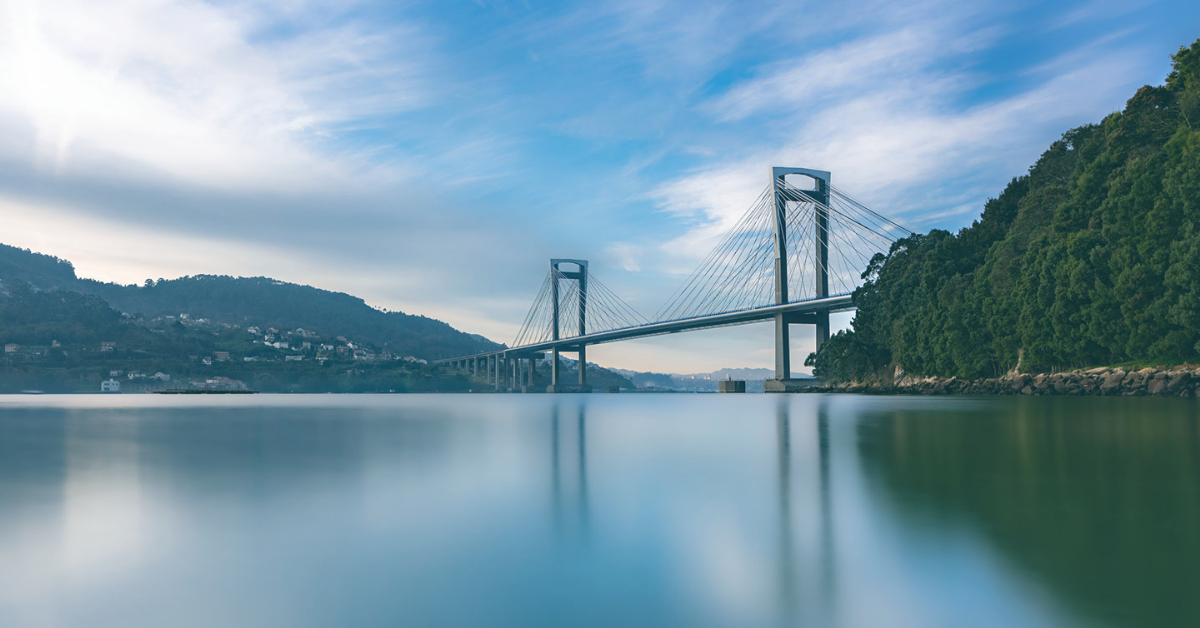
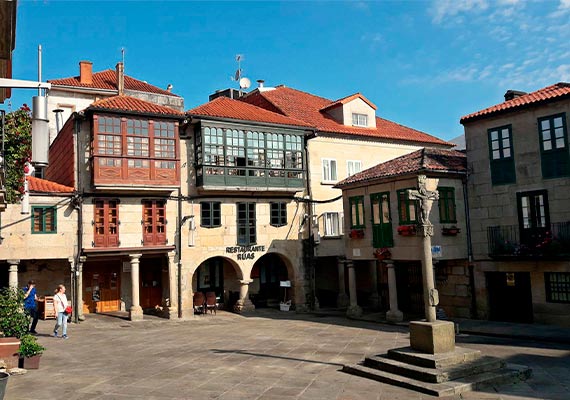
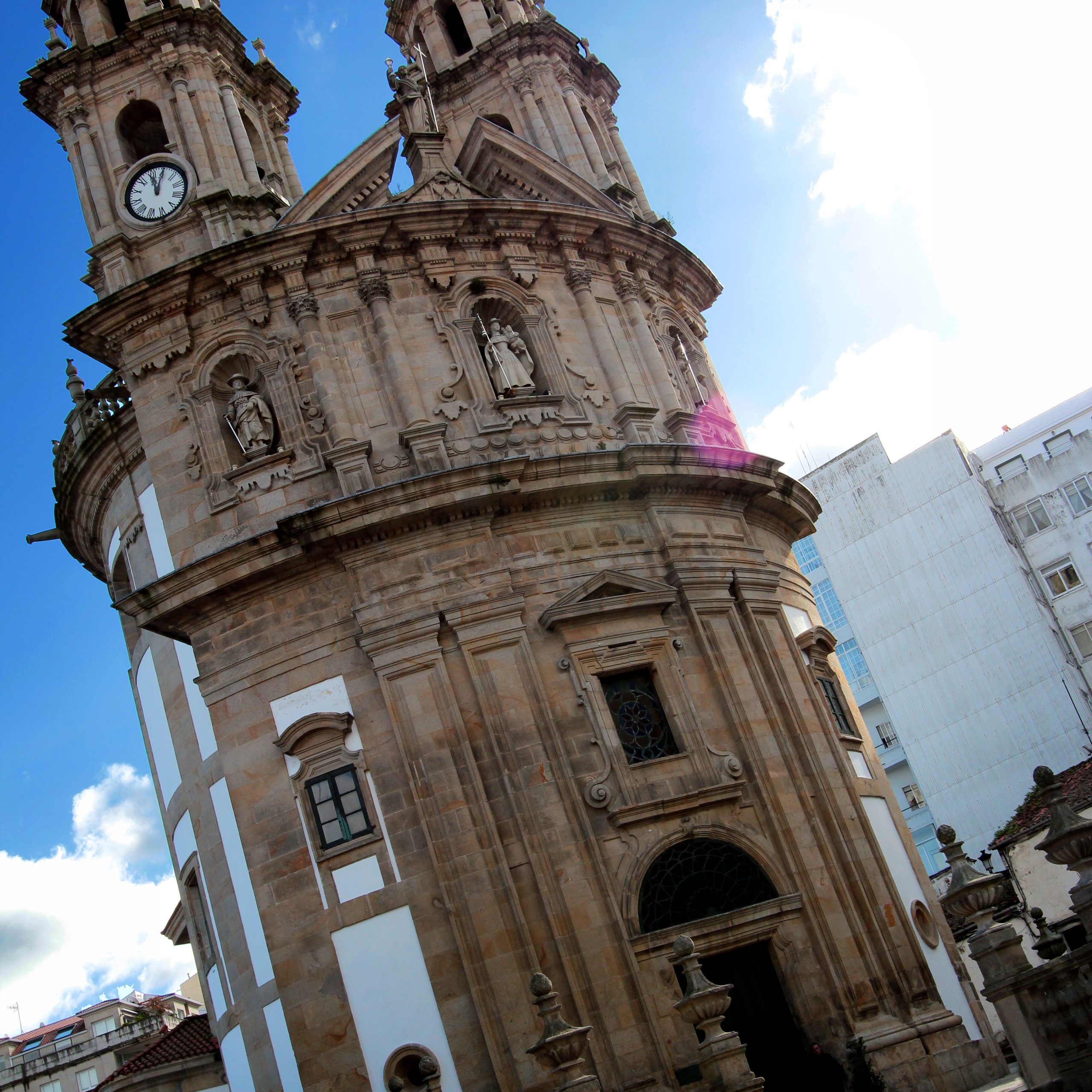
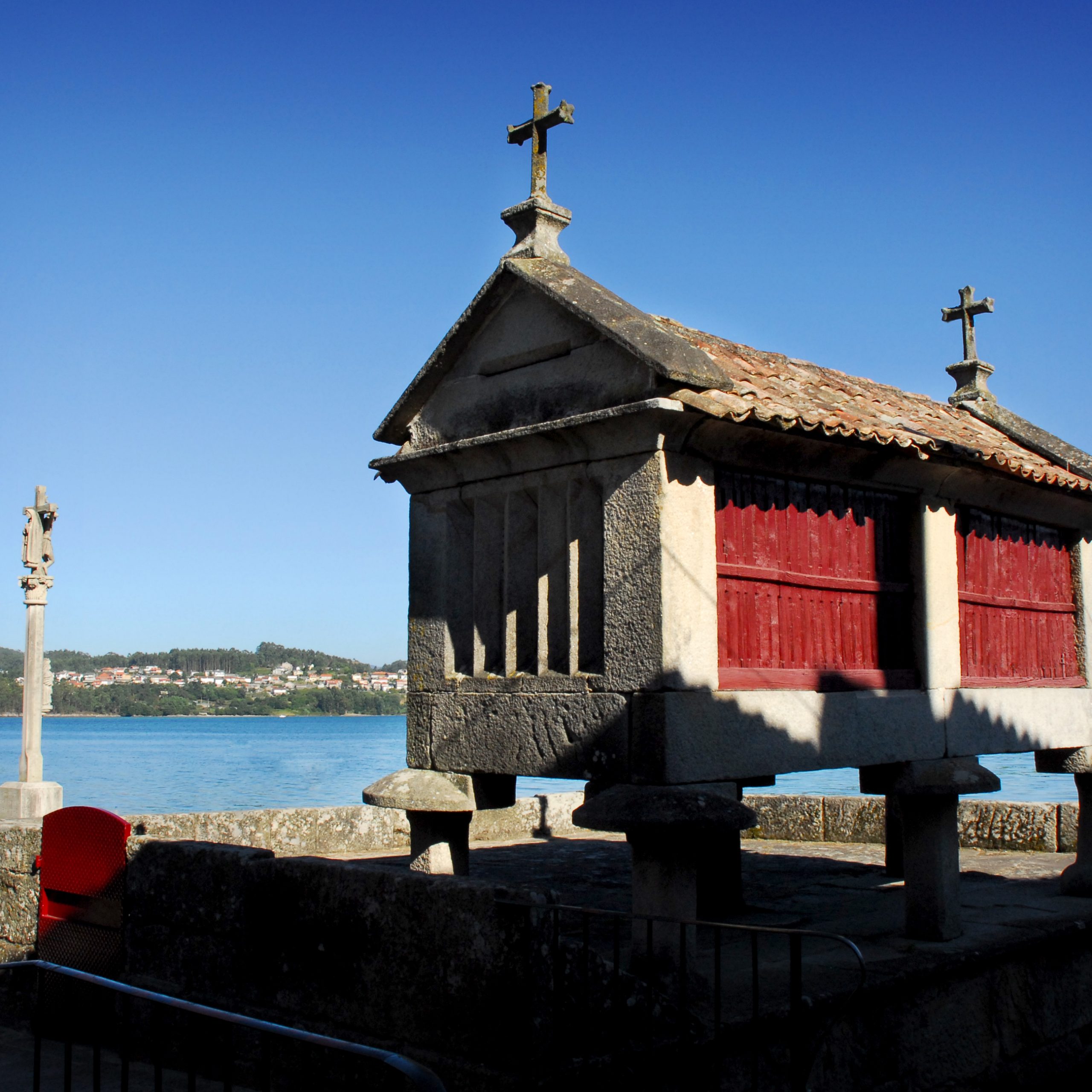
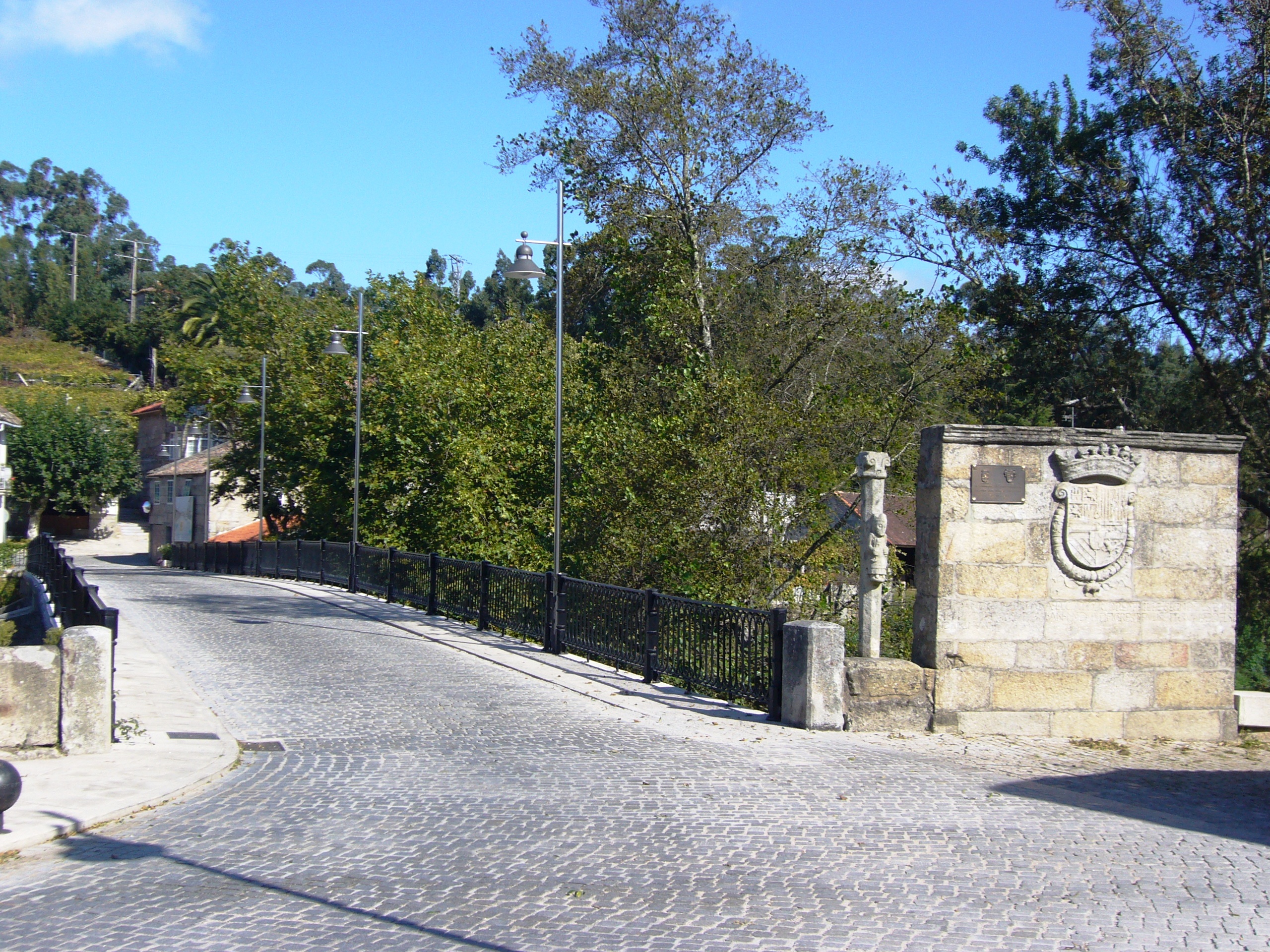
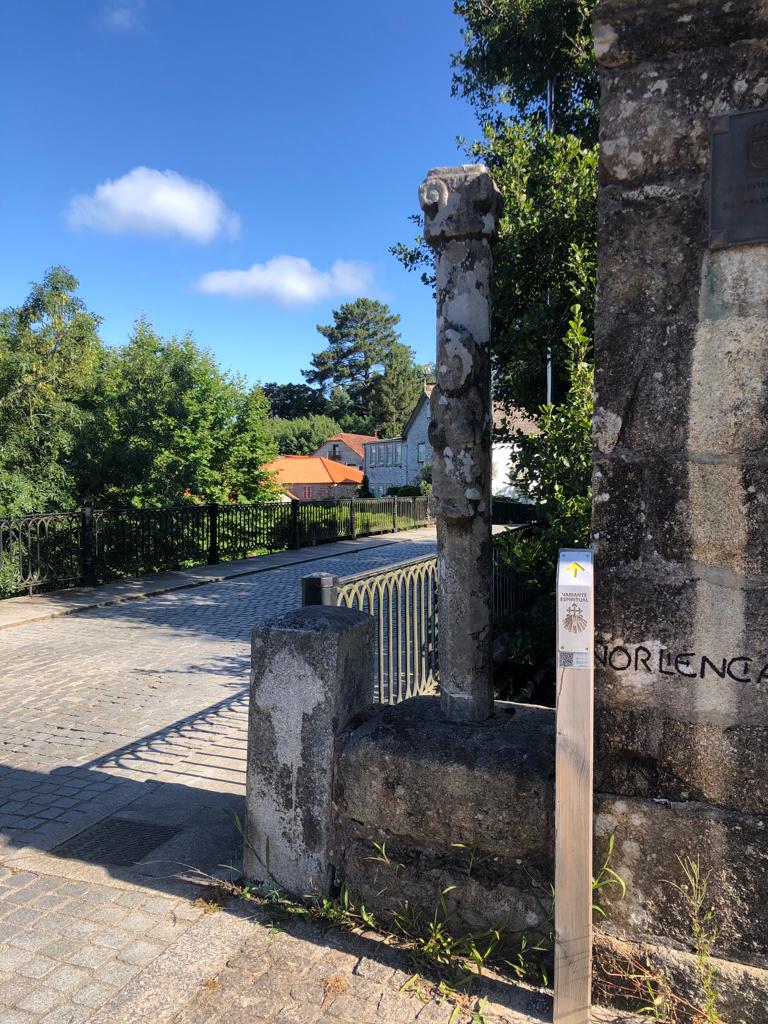
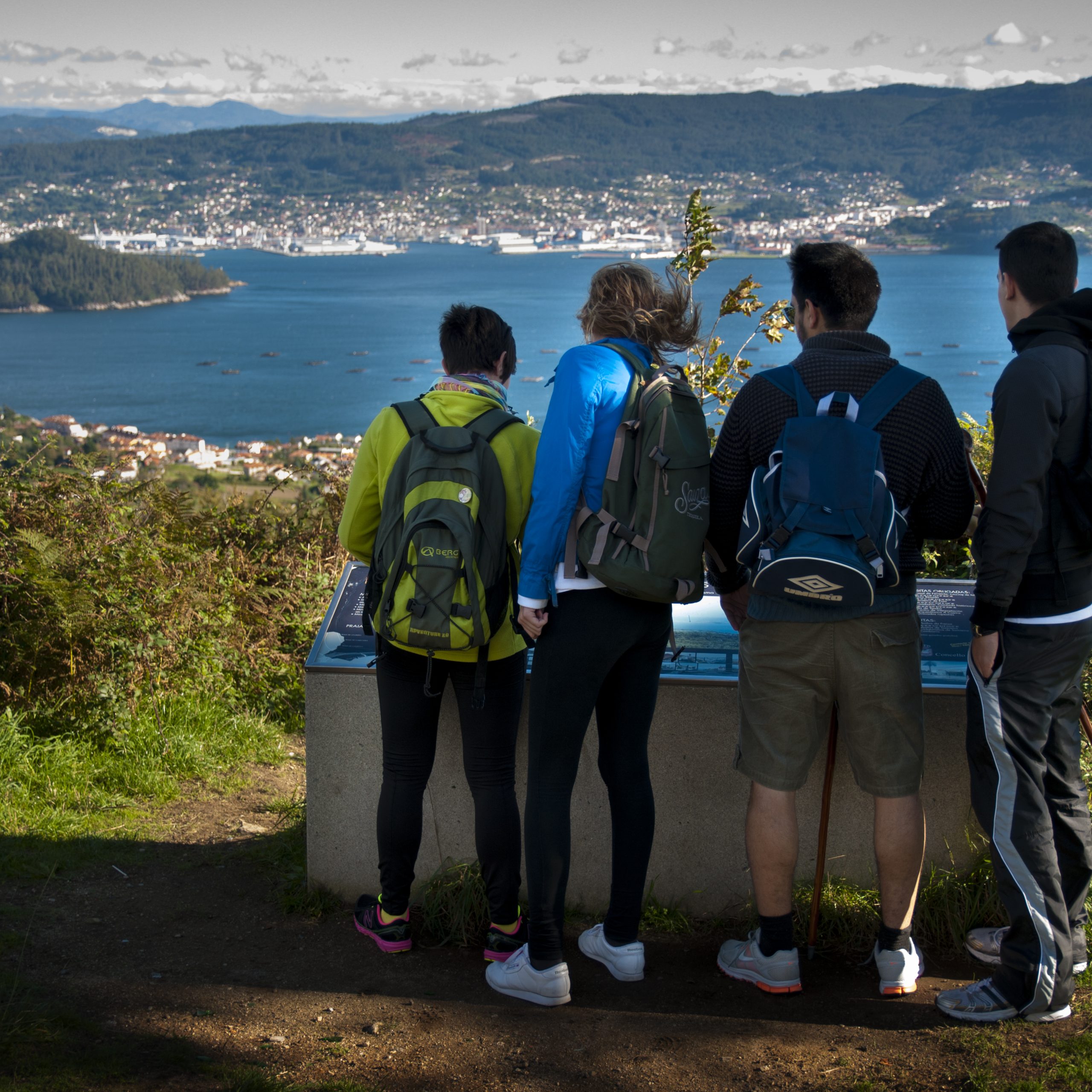
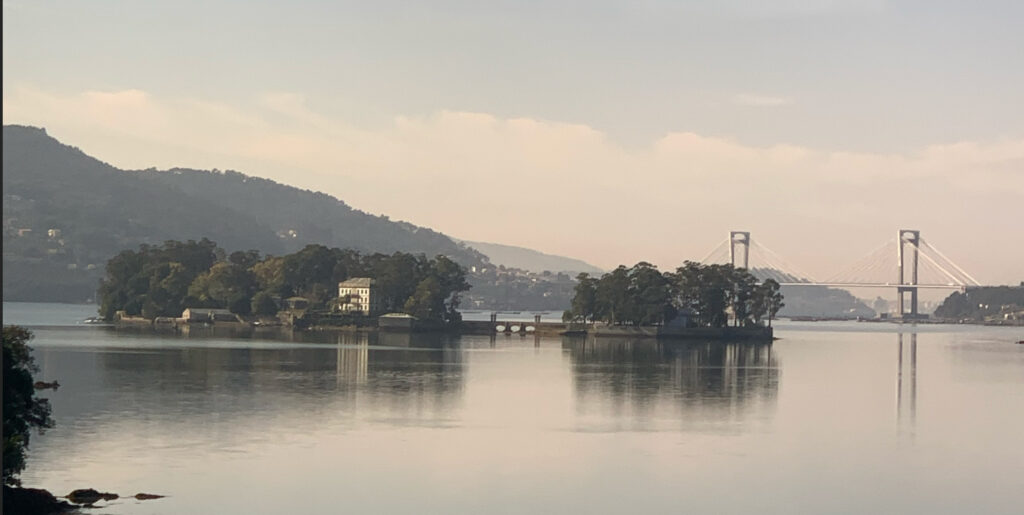
The journey sets off from Vigo, Galicia’s largest city and a fitting gateway for pilgrims beginning this coastal-and-river adventure. As far as Pontevedra, walkers follow the same waymarked trail as the Camino Portugués from Vigo to Santiago. Beyond Pontevedra, a fork in the path separates the standard Camino Portugués from this Spiritual Variant — pilgrims should bear left here. From this point, the trail hugs the shoreline of the Pontevedra estuary, passing the Monastery of Poio before arriving at the picturesque village of Combarro, famous for its granaries.
Combarro: where stone crosses and granaries meet the sea
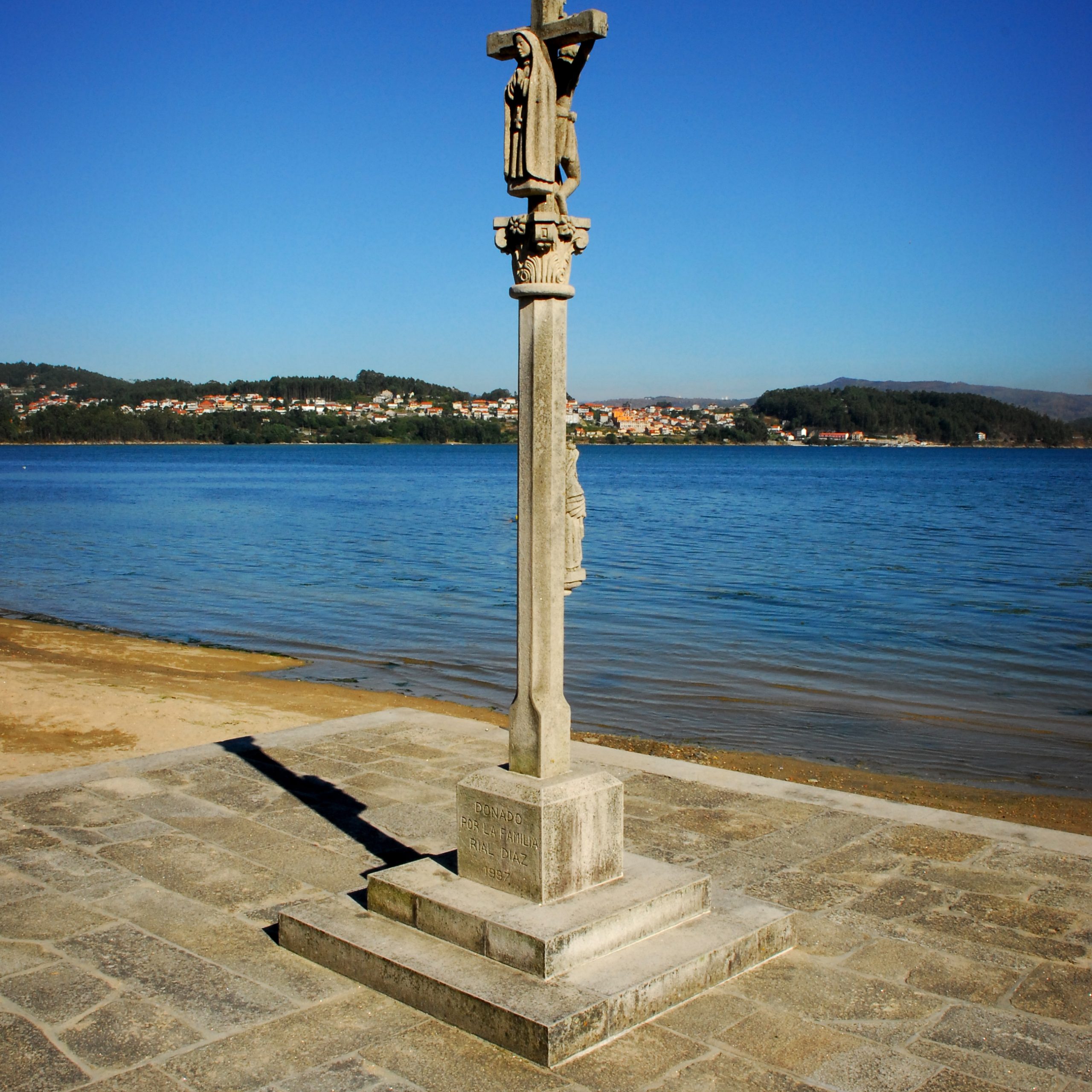
Recognized as an Asset of Cultural Interest, Combarro’s old quarter showcases three architectural hallmarks of rural Galicia side by side: raised stone granaries, traditional fishermen’s cottages, and weathered stone crosses. Life here still revolves around the sea, and the village’s tiny taverns offer visitors a genuine taste of Galician cuisine amid this striking coastal backdrop.
A cistercian retreat: the Monastery of Armenteira
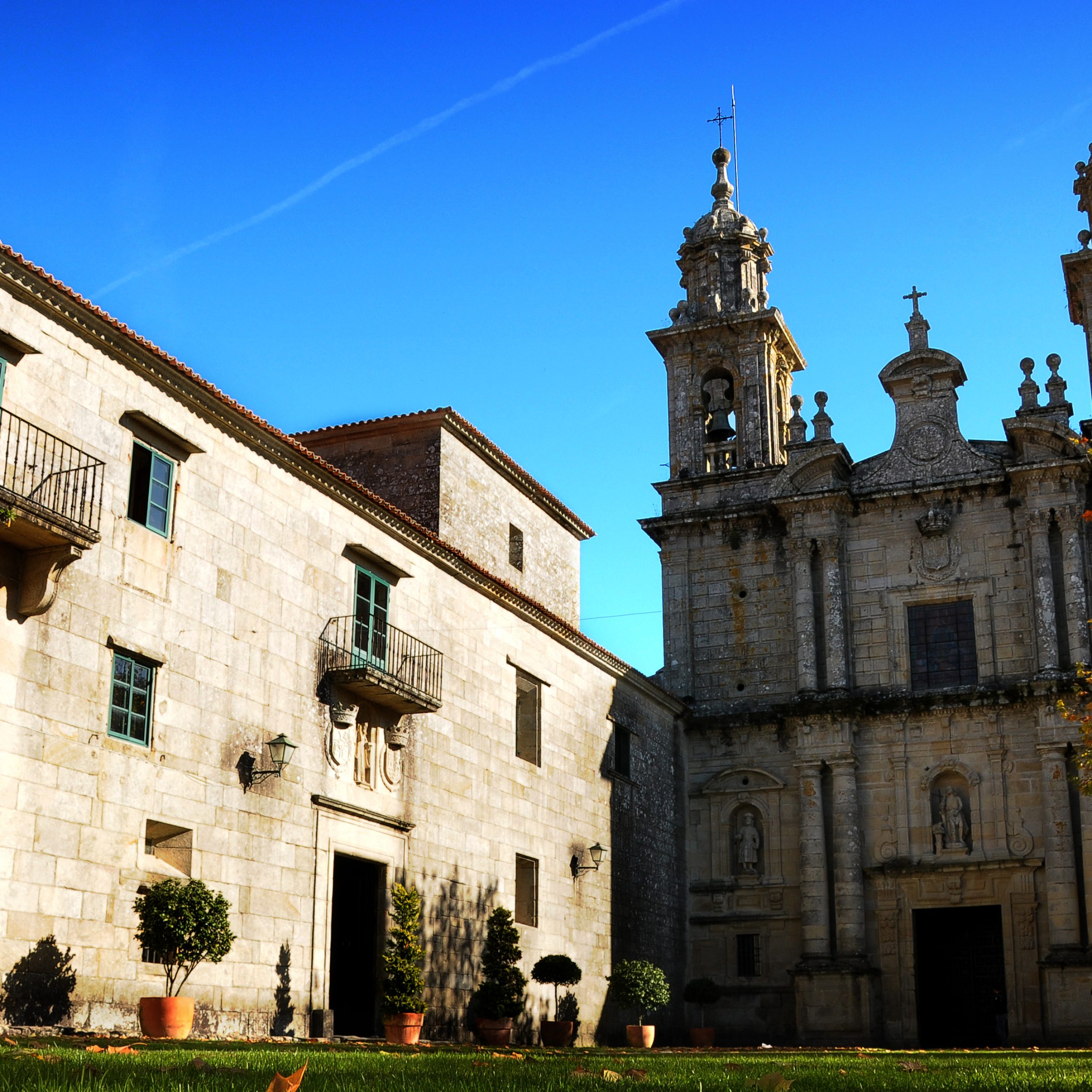
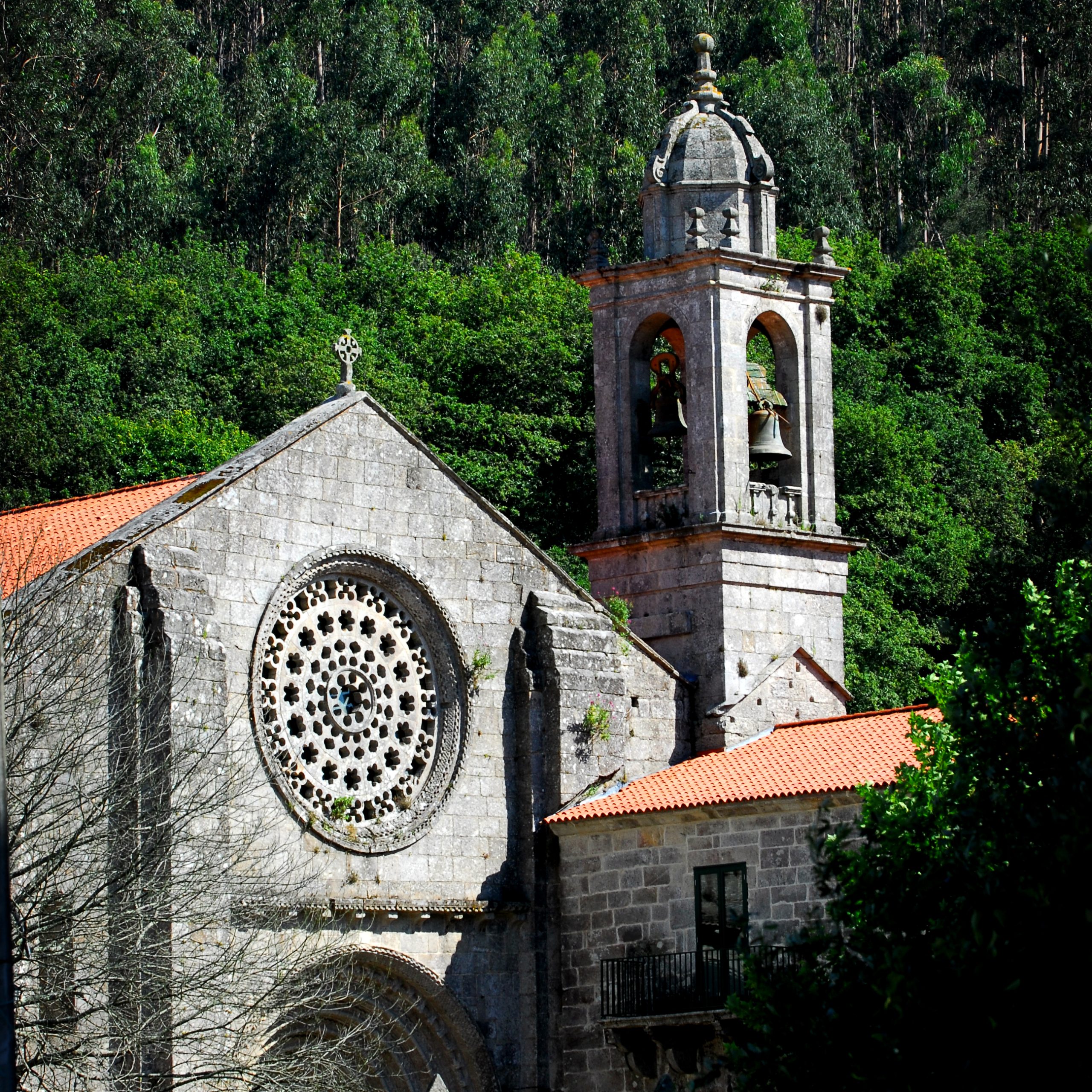
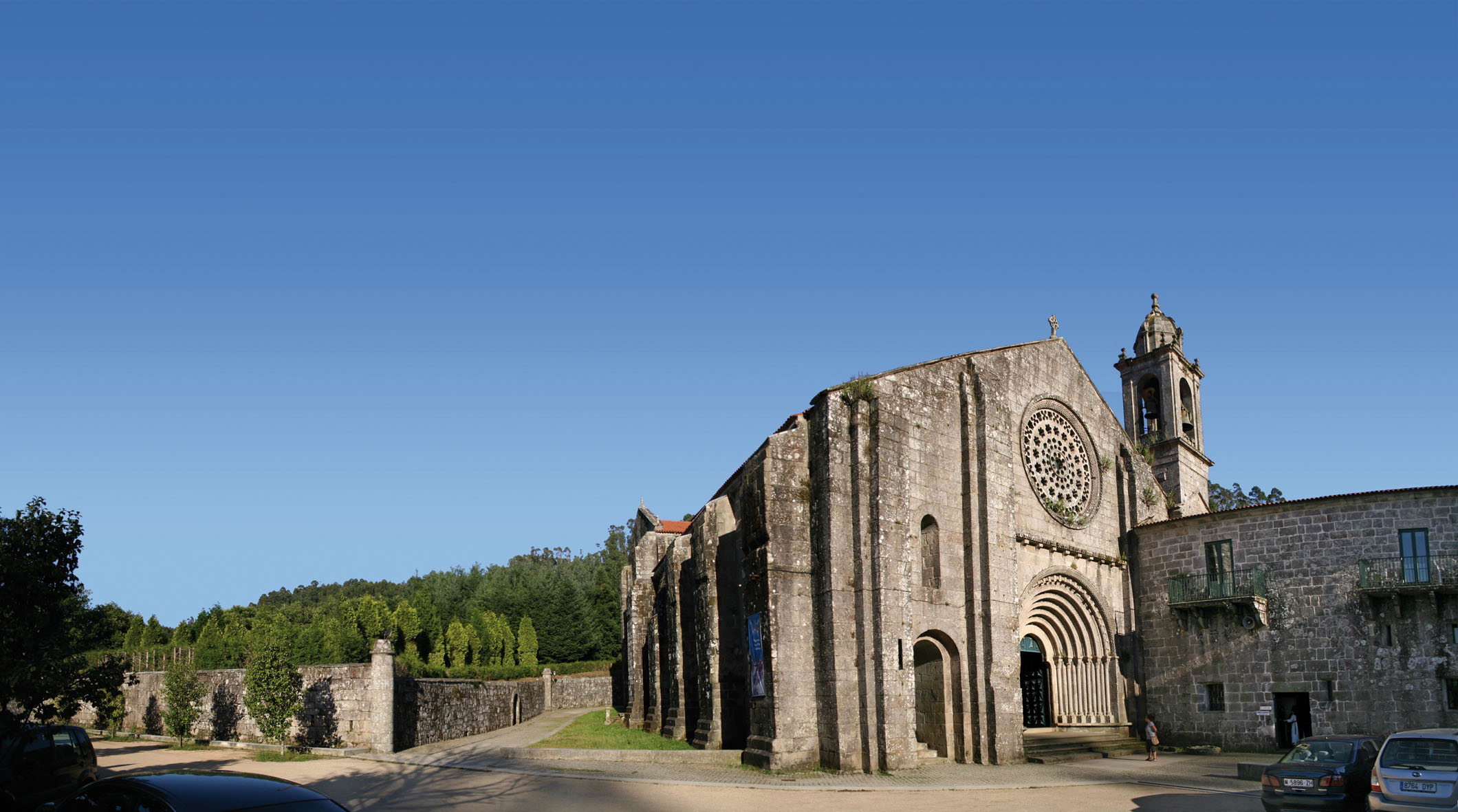
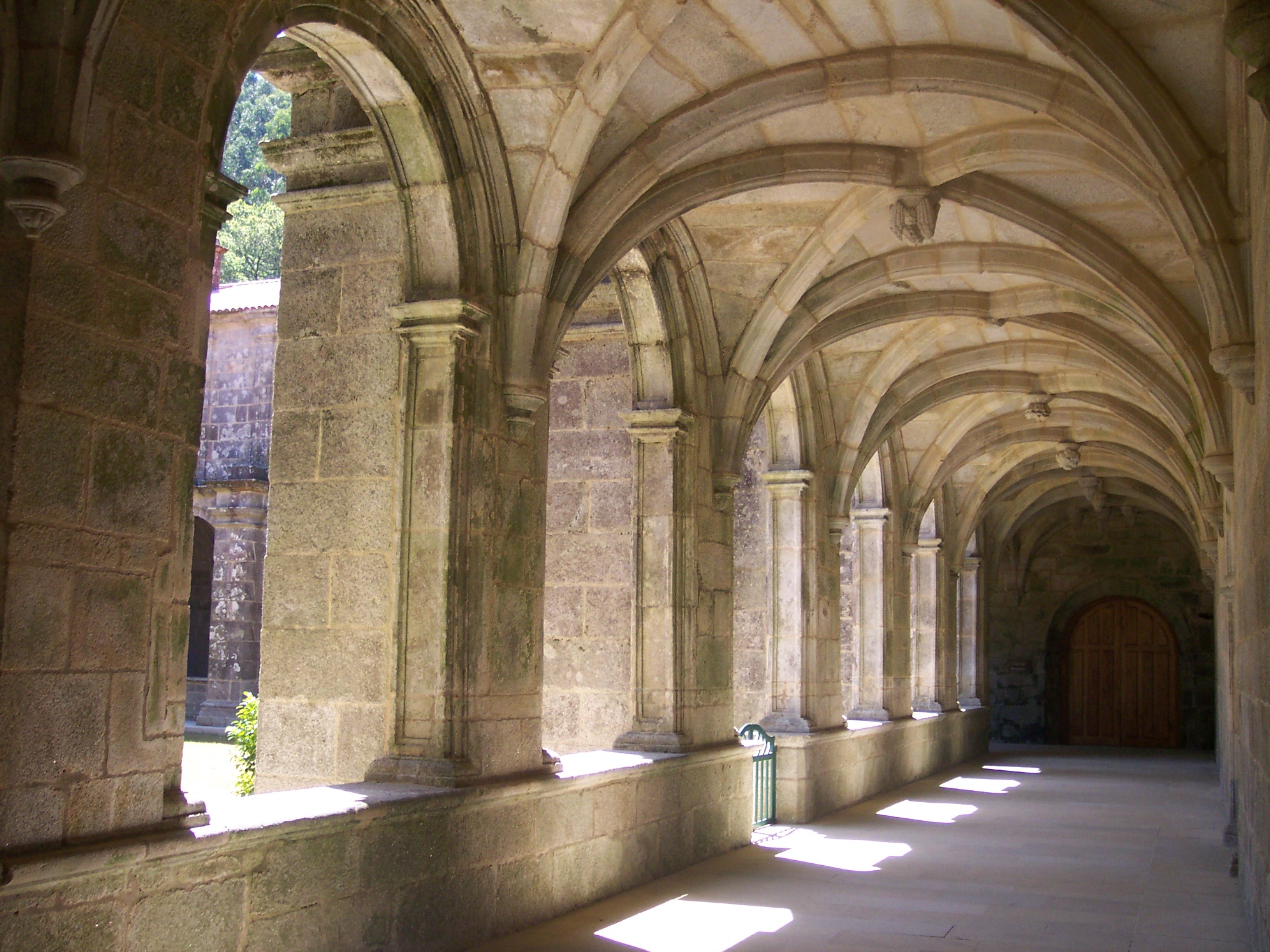
Tucked away in the inland countryside, the Armenteira Monastery has housed a community of Cistercian nuns since it was founded in the 12th century. Only the original church has survived the centuries intact, and its restrained, unadorned design still reflects the austere spiritual values of the Cistercian order.
Through woodland and watermills: the Route of Stone and Water
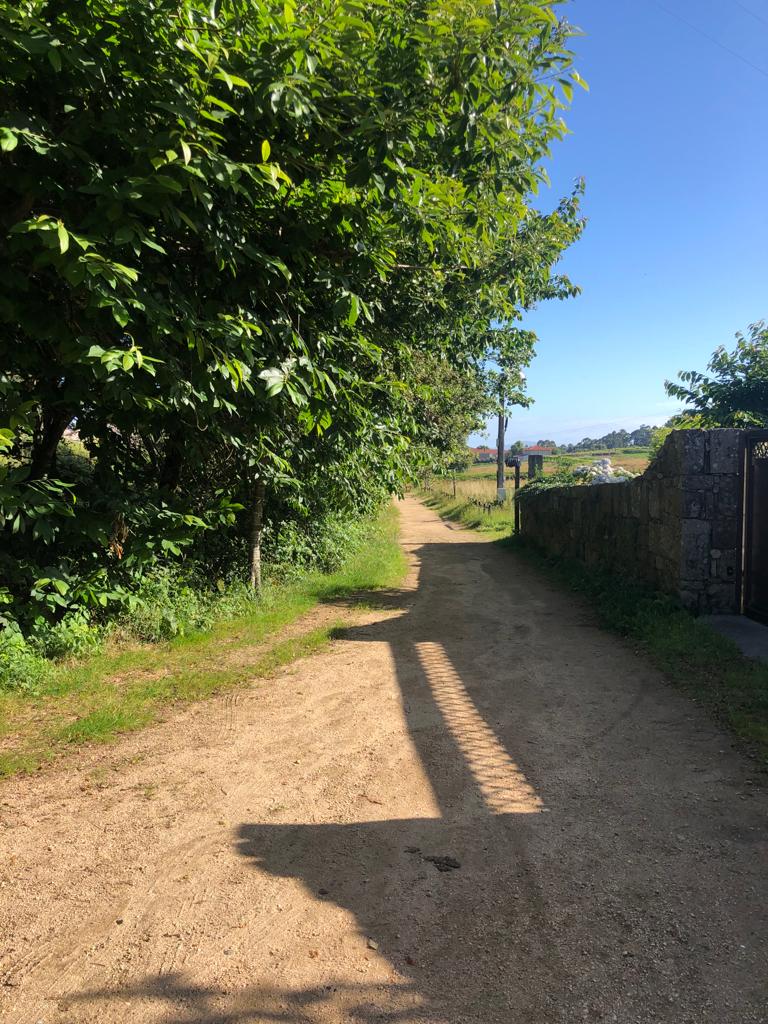
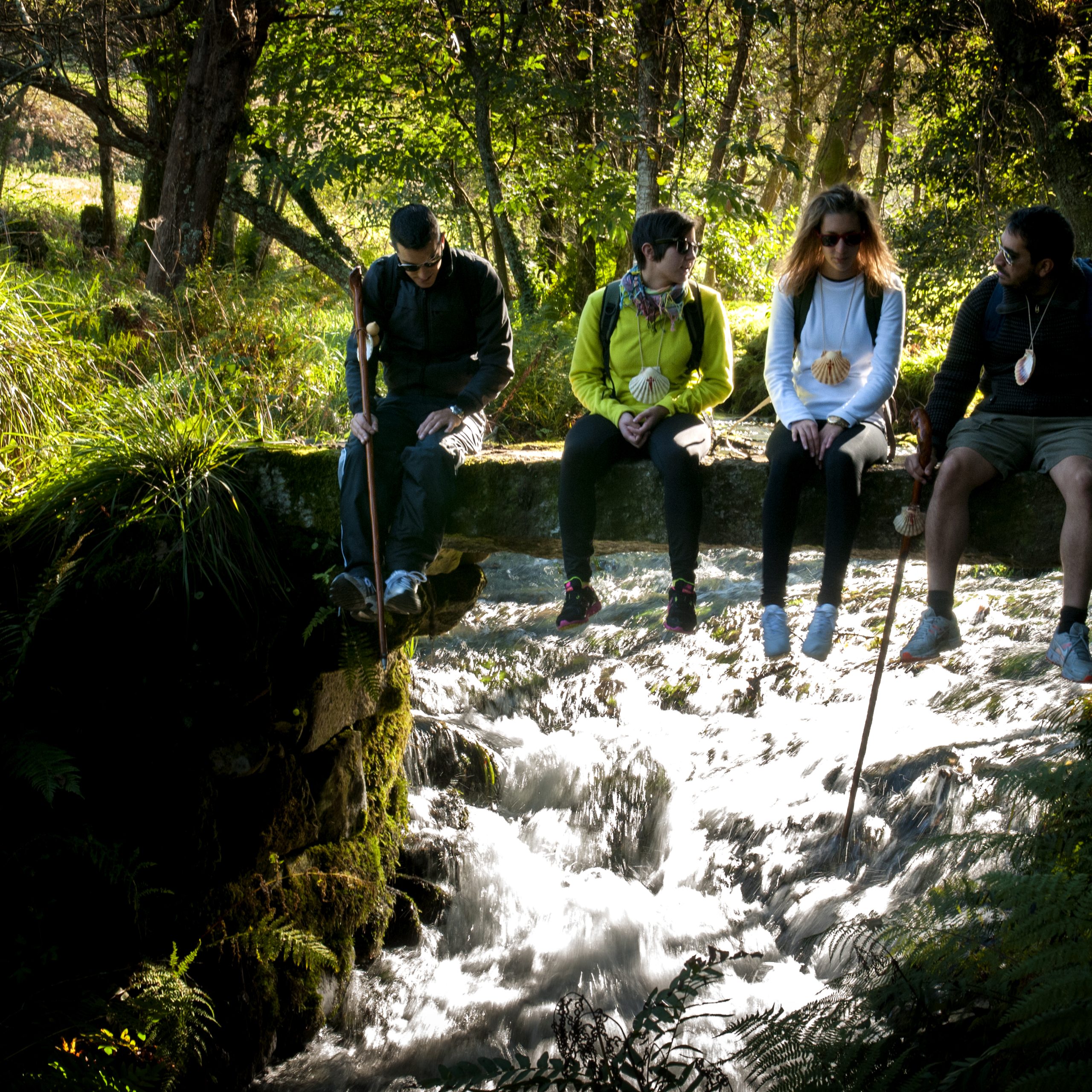
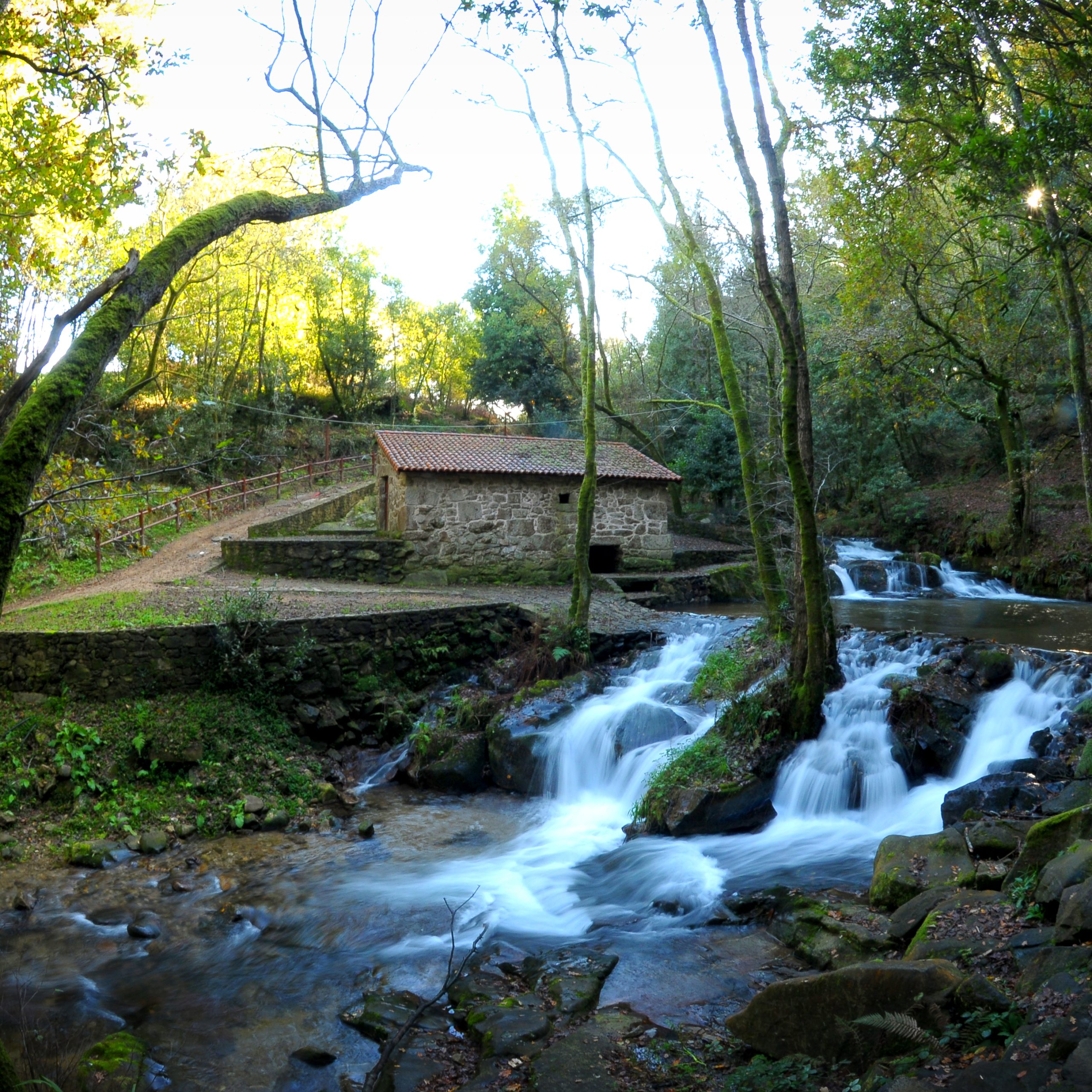
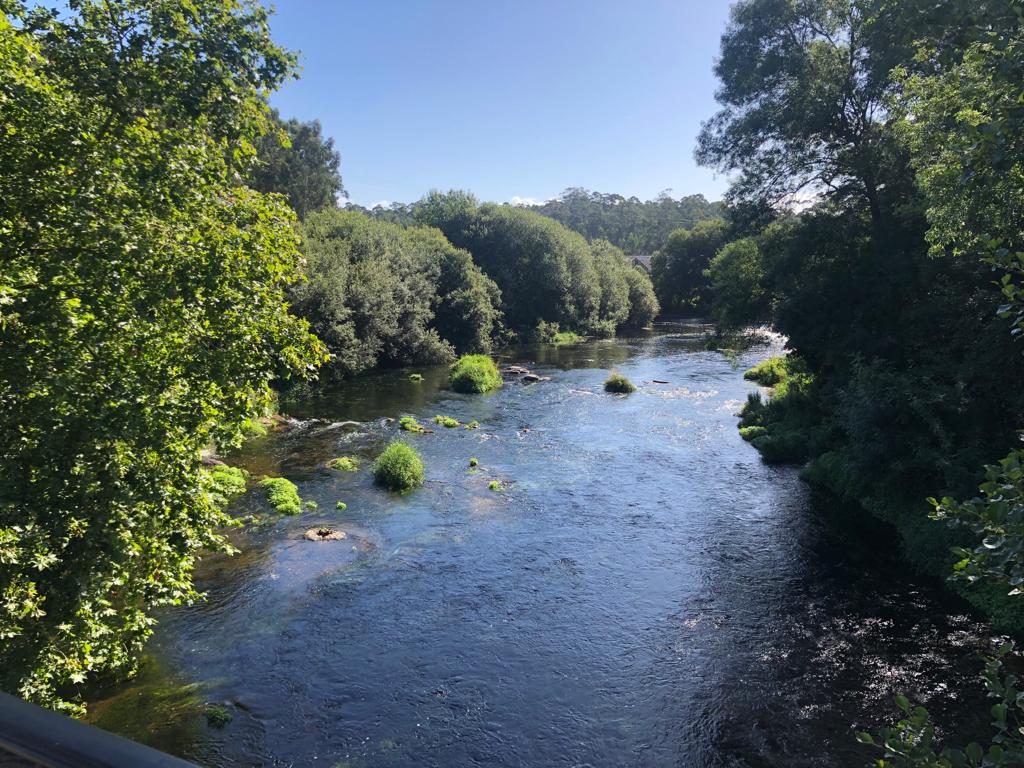
Leaving Armenteira behind and heading toward Pontearnelas, pilgrims cross the O Salnés district along the Route of Stone and Water, a shaded, forested stretch dotted with historic riverside mills. The scenery gradually shifts from dense woodland to vineyards and orchards, signaling the approach to the Arousa estuary.
Crossing the Arousa Estuary by boat
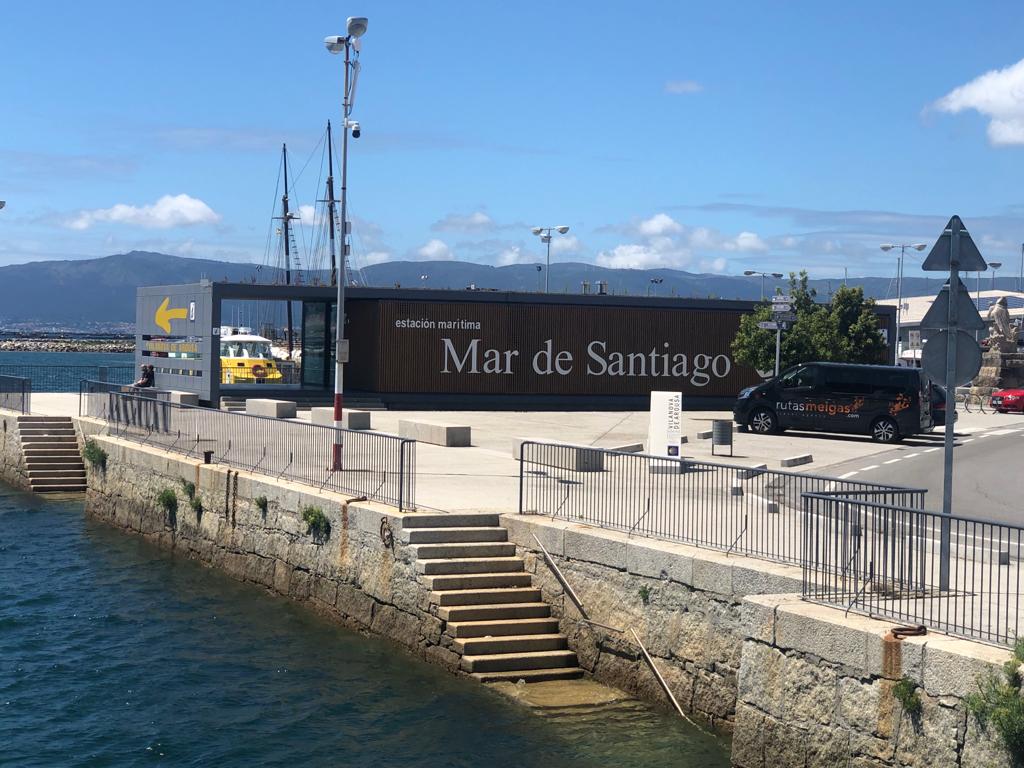
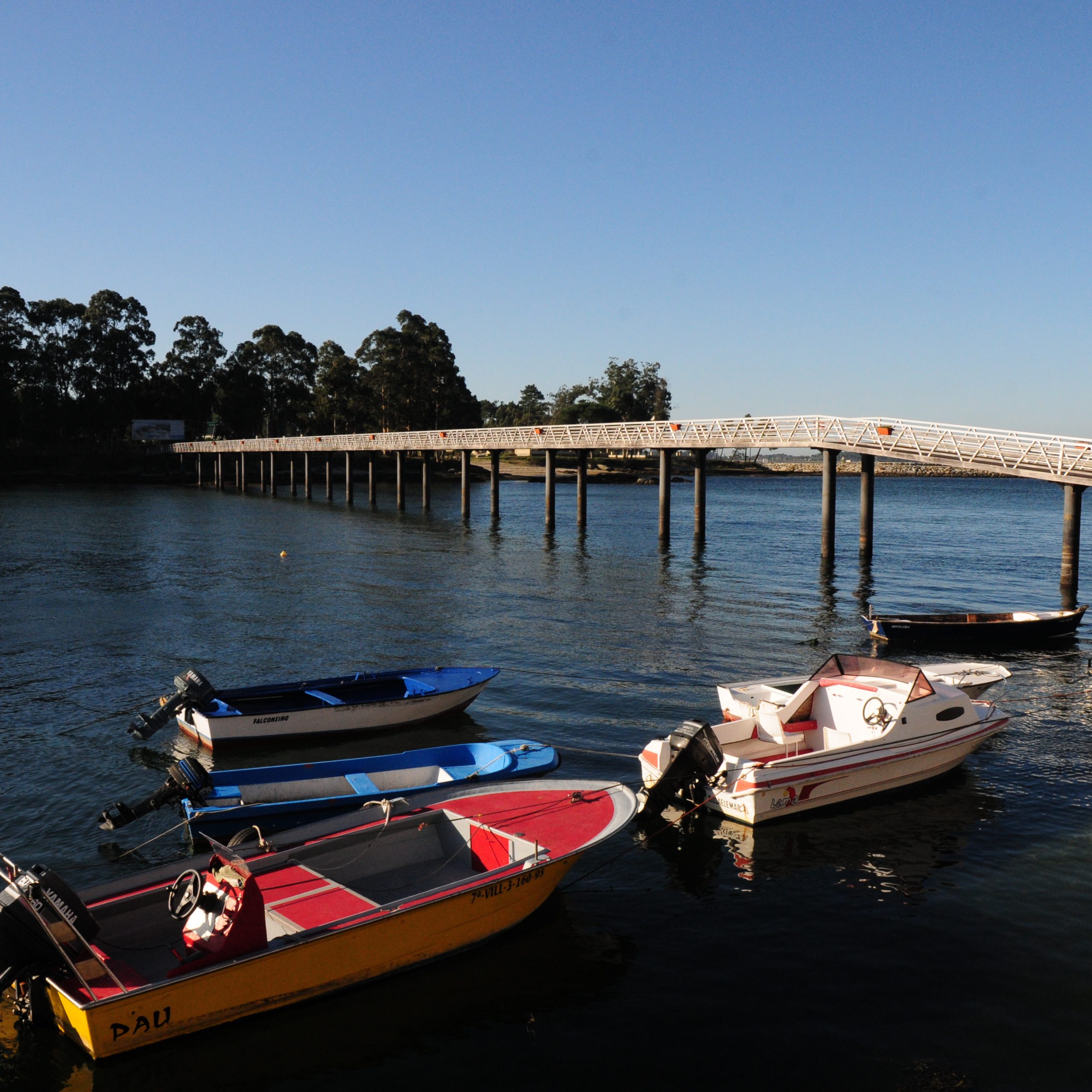
From Vilanova de Arousa to Pontecesures, pilgrims trade their walking boots for a boat, retracing the same waters the Apostle Santiago is said to have sailed. The crossing begins out on the open Arousa estuary and continues along the Ulla River, weaving past mussel-farming rafts and the world’s only river-based Via Crucis — seventeen crosses standing along the water to commemorate this ancient translatio.
Rejoining the Portuguese Way into Compostela
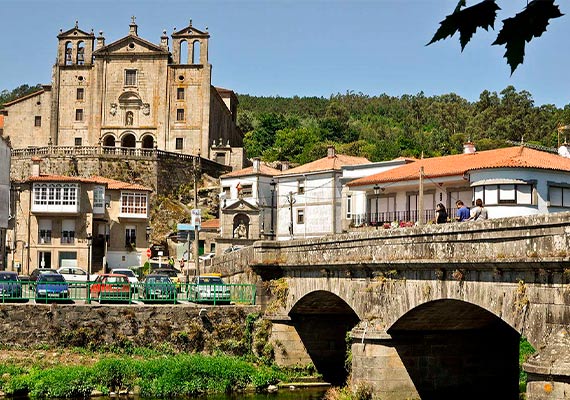
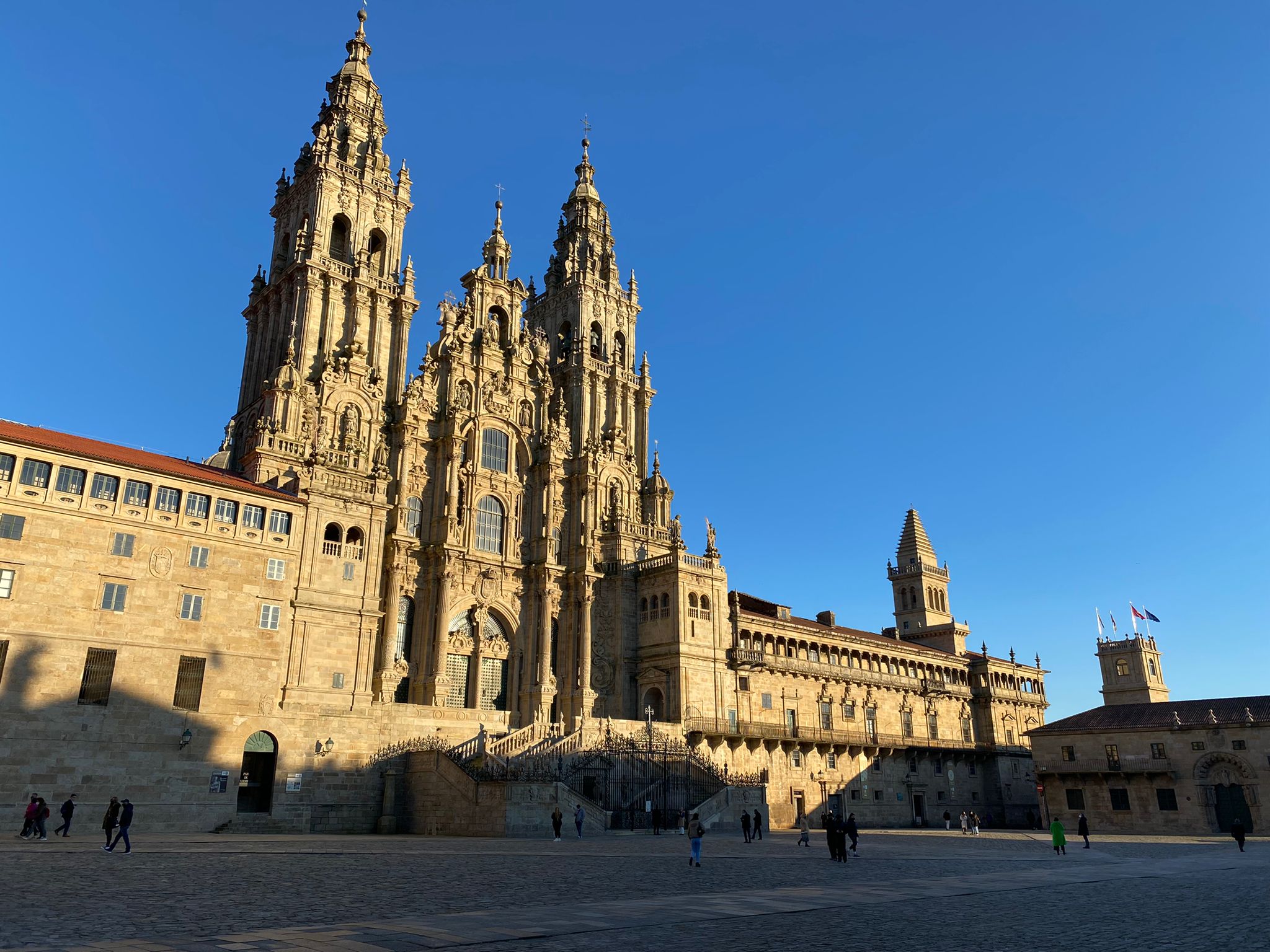
Back on solid ground, the Spiritual Variant from Vigo to Santiago merges with the various branches of the Camino Portugués between Padrón and Santiago. From here, just one final stage remains before pilgrims reach their destination: the resting place of the Apostle Santiago himself.
Buen Camino!