
Camino Portugués
Routes of the Camino de Santiago, Camino Portugués
The Camino Portugués is currently the second most popular route on the Camino de Santiago, after the Camino Francés. Nine different Jacobean routes, some of which follow the footsteps of the Traslatio of the Apostle Saint James to his burial in what is now Compostela. The Portuguese Way is structured around central and coastal routes, to which can be added the Spiritual Variant, the most faithful to the Traslatio, which includes a boat trip through the Arousa Estuary.
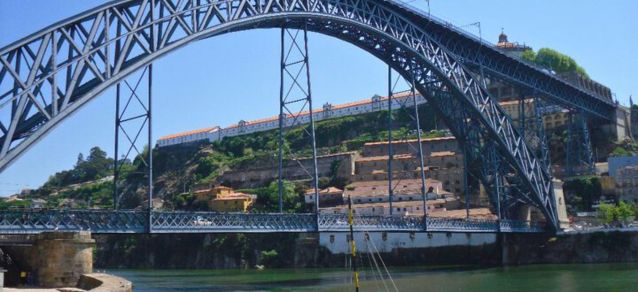
Routes of the Camino de Santiago, Camino Portugués
The Camino Portugués is currently the second most popular route on the Camino de Santiago, after the Camino Francés. Nine different Jacobean routes, some of which follow the footsteps of the Traslatio of the Apostle Saint James to his burial in what is now Compostela. The Portuguese Way is structured around central and coastal routes, to which can be added the Spiritual Variant, the most faithful to the Traslatio, which includes a boat trip through the Arousa Estuary.
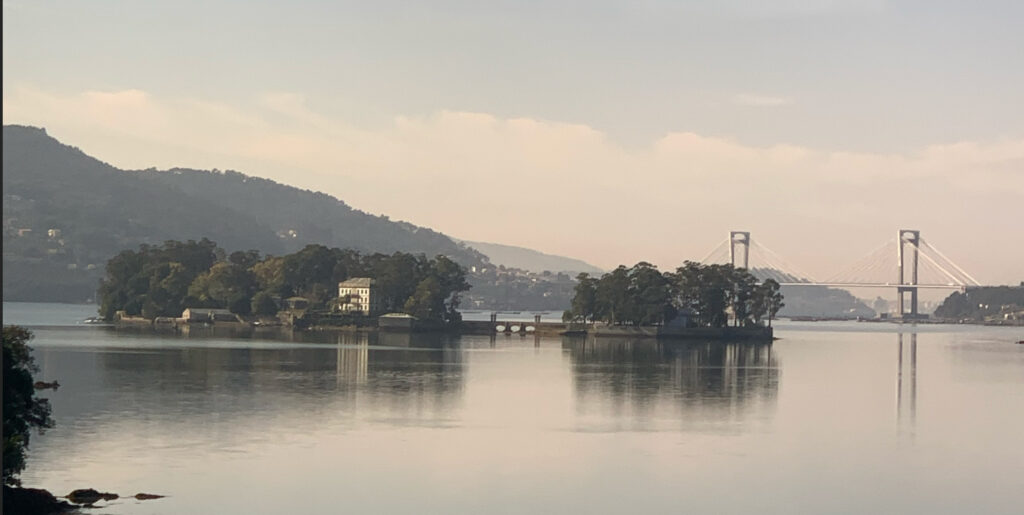
Camino Portugués from Vigo to Santiago (Spiritual variant)
8 days / 7 nights
Starting at 605 €
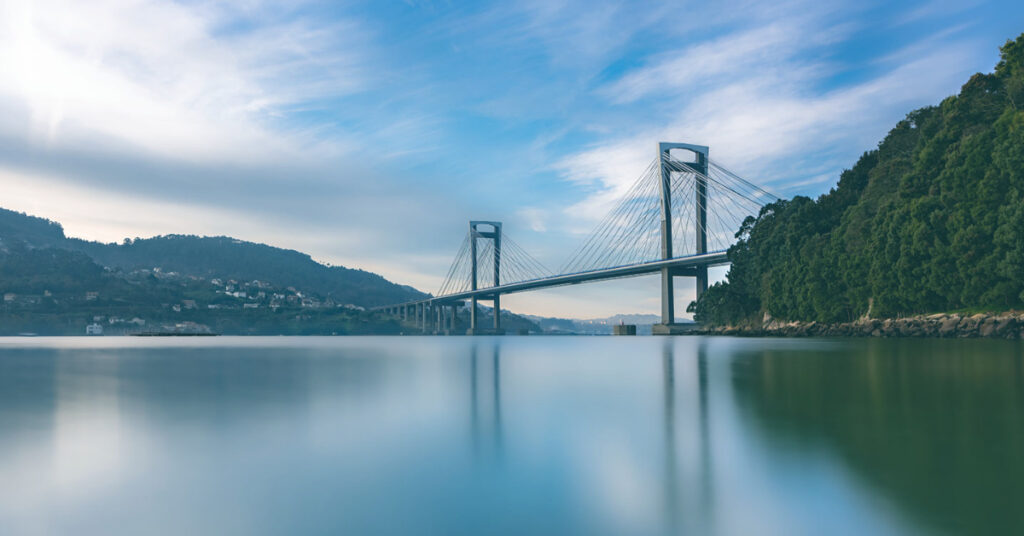
Camino Portugués from Vigo to Santiago
7 days / 6 nights
Starting at 548 €
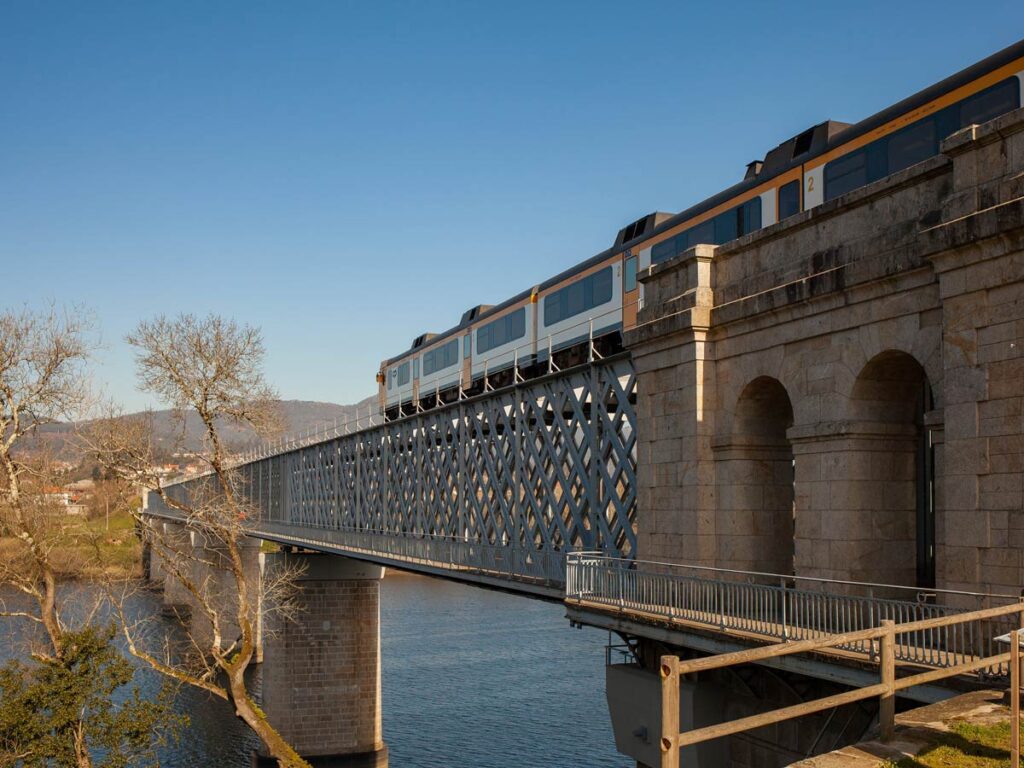
Camino Portugués from Tui to Santiago
8 days / 7 nights
Starting at 575 €
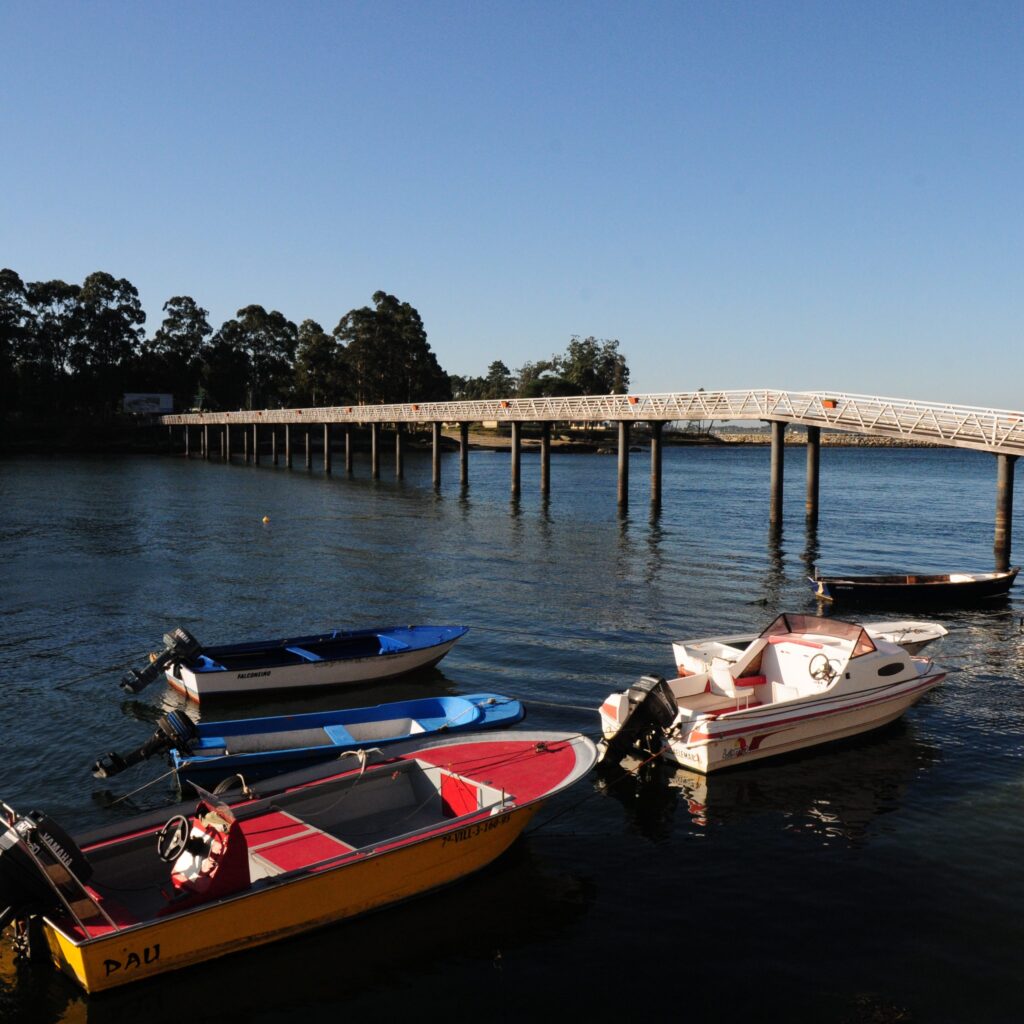
Camino Portugués from Tui to Santiago (Spiritual Variant)
9 days / 8 nights
Starting at 650 €
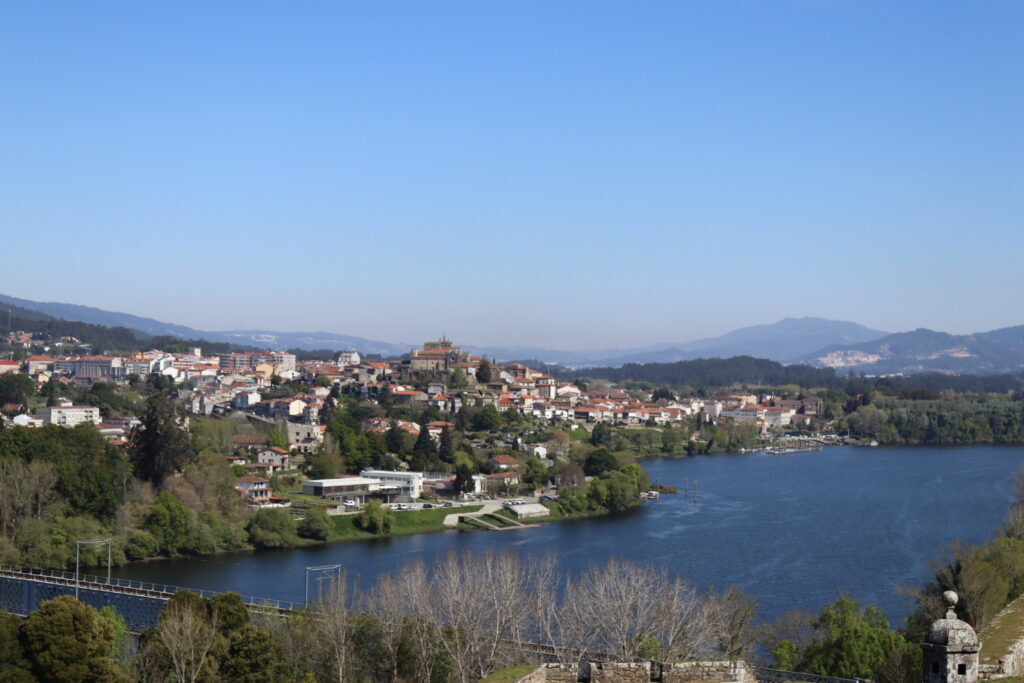
Camino Portugués from Tui to Finisterre
13 days/ 12 nights
Starting at 825 €
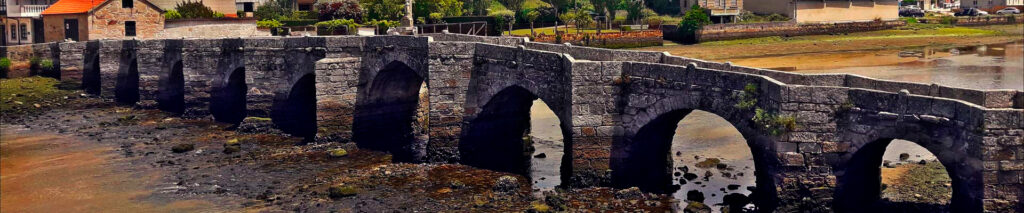
Camino Portugués from Baiona to Santiago
8 days / 7 nights
Starting at 625 €
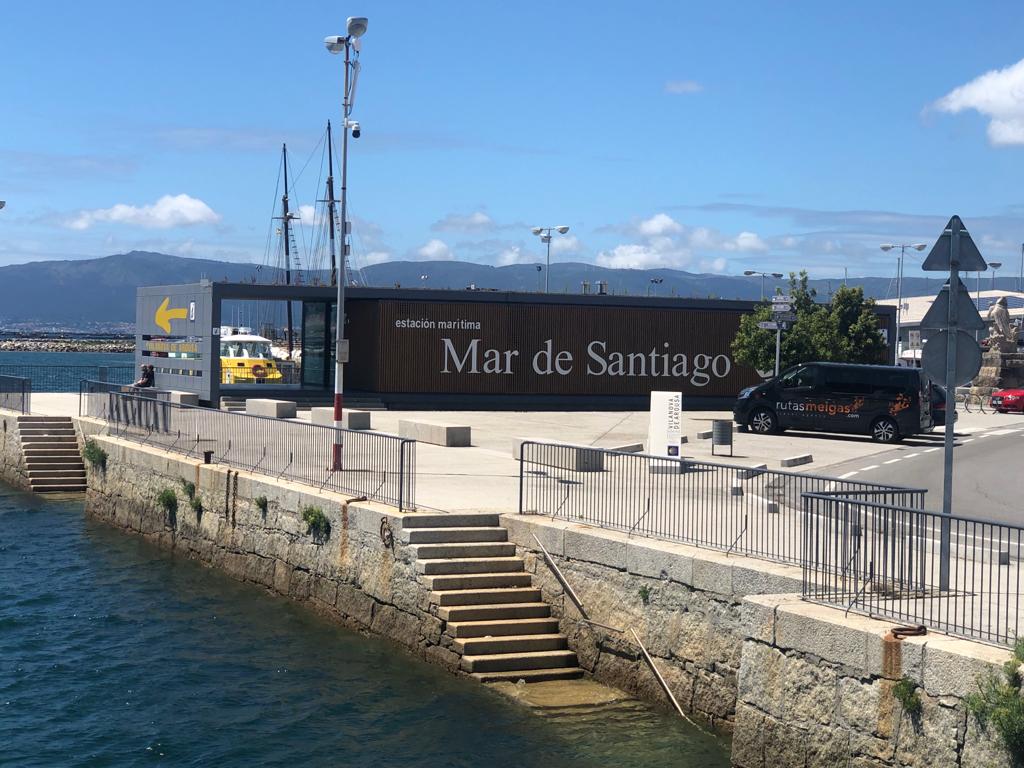
Camino Portugués from Baiona to Santiago (Spiritual variant)
9 days / 8 nights
Starting at 690 €
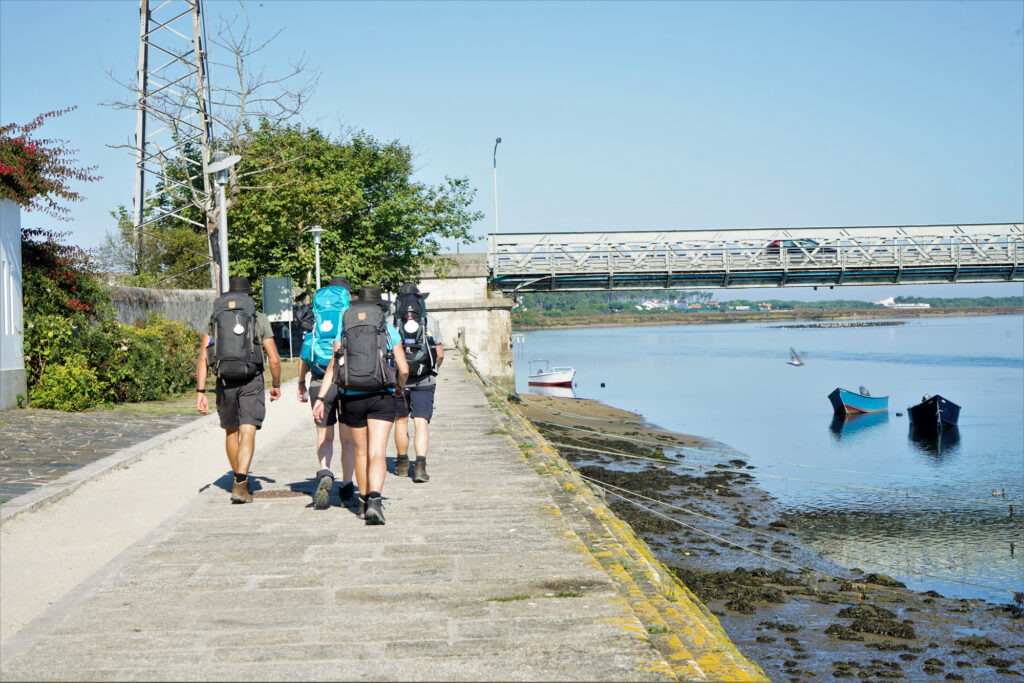
Camino Portugués along the Coast from Oporto (Caminha option)
14 days / 13 nights
Starting at 1090 €
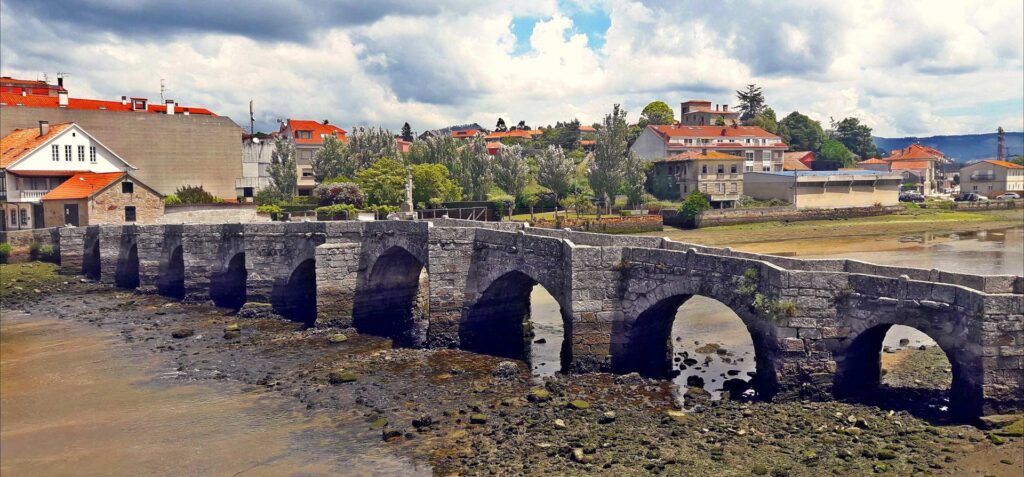
Camino Portugués along the Coast from Oporto (Praia de Ancora option)
15 days / 14 nights
Starting at 1260 €
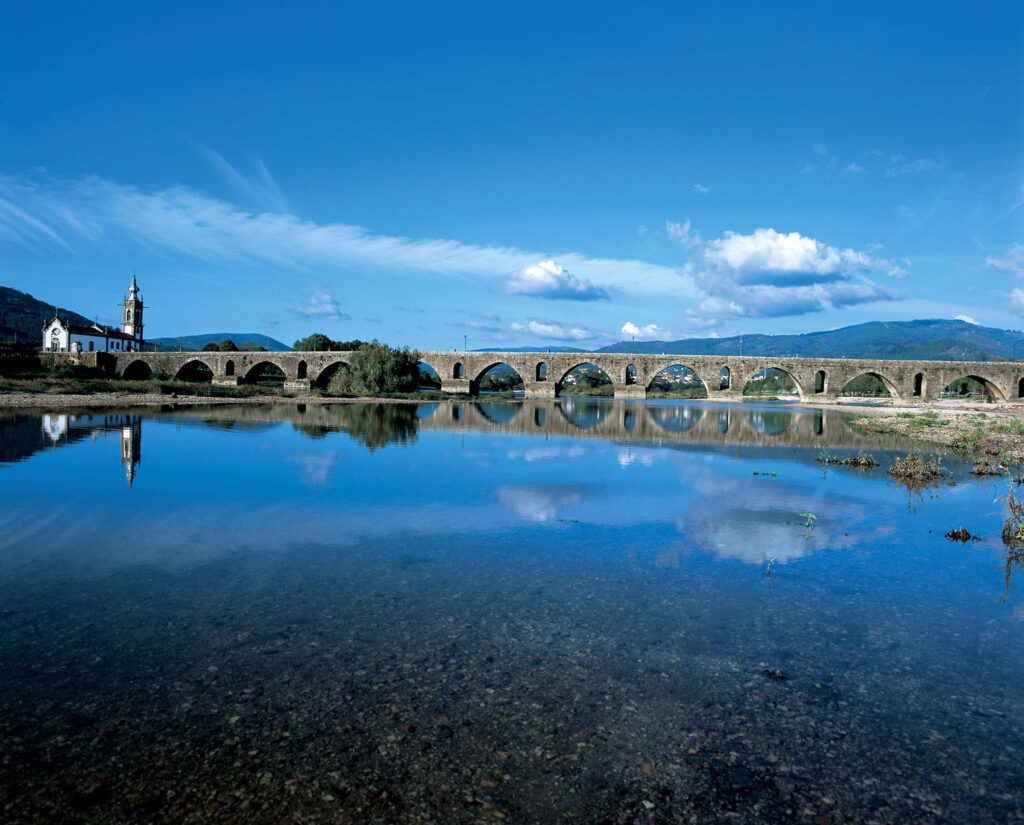
Camino Portugués from Porto to Santiago
14 days / 13 nights
Starting at 1100€
Immerse yourself in the historical and spiritual richness of the Camino Portugués, one of the most fascinating routes for pilgrims. This route of the Camino de Santiago follows, in some sections, the footsteps of Theodore and Athanasius, the disciples of Saint James who carried his body to the ancient forest of Libredón, in present-day Santiago de Compostela, for burial. This historical event, known as the Traslatio of the Apostle James, can be experienced more faithfully on the Spiritual Variant of the Camino Portugués, either from Tui or Baiona.
The Camino Portugués is structured into two main routes: the central route and the coastal route, both with distinct options. The former takes us through beautiful landscapes and villages steeped in pilgrimage tradition, while the latter allows us to enjoy the breathtaking views of the Atlantic Ocean and the Rías Baixas.
The stages of the Camino Portugués offer a unique experience where you can explore the authenticity of Portugal and Galicia while immersing yourself in the spirituality of the Camino de Santiago.
Your adventure on the Camino Portugués begins here! Buen Camino!
We answer some of the most frequently asked
questions about the Camino Portugués
How many kilometers is the Camino de Santiago Portugués?
The Camino de Santiago Portugués originally starts from Lisbon, although most pilgrims today begin their journey in Porto, covering just over two hundred kilometers.
Other popular options include the Camino Portugués from Tui, which takes the inland route and covers 115 kilometers, or the Camino Portugués from Baiona along the coast, which is 126 kilometers.
If you prefer, you can also add to these routes from Tui or Baiona the Spiritual Variant, which follows the journey that the remains of Apostle James made in the 1st century, known as the Traslatio. This includes a part of the route along the Ría de Arousa by boat, sailing next to the only maritime Via Crucis in the world. If you take the Spiritual Variant of the Camino Portugués from Tui, it is 150 kilometers, and from Baiona, it is 163 kilometers.
All these variants of the Camino de Santiago Portugués exceed the one hundred kilometers needed by pilgrims to obtain the Compostela upon reaching Santiago.
How many days does it take to complete the Camino de Santiago Portugués?
This depends on the route of the Camino de Santiago Portugués you choose. The longest and most common one we mentioned before is the Camino Portugués from Porto, which takes about two weeks.
However, if you decide to embark on one of the variants of the Camino Portugués that already start in Spain, departing from either Baiona or Tui, you have about eight days of the Camino de Santiago.
And if you have little time, the shortest route of the Camino de Santiago Portugués is the one from Vigo, which takes only seven days.
Which one is easier: the Camino Portugués or the Camino Francés?
The Camino de Santiago Portugués starts in the south, and pilgrims walk northwards to reach Compostela. In addition to much flatter and more accessible terrain, the Camino Portugués is generally easier because the weather conditions are usually more favorable for walking.
Which towns does the Camino de Santiago Portugués pass through?
The main towns along the Camino de Santiago Portugués include, of course, the city of Porto, a starting point of immense interest and beauty. Also, in Portuguese territory, we pass through Ponte de Lima, with its charming historic center and famous bridge. Whether entering Spain through the interior or along the coast, Tui and Baiona are both towns with a rich Jacobean tradition.
In Tui, we find its impressive cathedral and historic center, and in Baiona, the stunning fortress by the sea and its port.
Of course, when talking about towns on the Camino Portugués, perhaps the most significant town is Padrón, formerly known as Iria Flavia. This was where the remains of Apostle James arrived in the year 44 AD, and its current name, Padrón, comes from the “pedrón” (big stone) to which Teodor and Atanasio, disciples of Apostle James, tied the boat that brought him from Jerusalem.
Can I do the Camino de Santiago Portugués without carrying luggage?
Indeed, this is quite common on the Camino de Santiago Portugués. Most pilgrims choose to use a luggage transfer service between stages, allowing them to walk with only a small backpack containing the essentials for the day.
On all the routes of the Camino de Santiago Portugués managed by Rutas Meigas, we offer the transfer of one piece of luggage per pilgrim, with a maximum limit of 20 kg per piece. If you need us to transport more than one piece of luggage, you can easily arrange this additional service at a very affordable cost.
Which routes are available and which is the hardest route of the Camino de Santiago Portugués?
The Camino de Santiago Portugués is mainly divided between routes that run inland and those along the coast.
Based on this, you can choose different starting points, the main ones being Porto, Tui, Baiona, or Vigo.
Of all the variants of the Camino Portugués, the most challenging is the inland route with the spiritual variant option.
Where can I stay other than hostels on the Camino de Santiago Portugués?
On your organized Camino de Santiago Portugués with Rutas Meigas, we always offer accommodations in private rooms with en-suite bathrooms. Depending on availability in each stage or your personal preferences, you can stay in hotels, guesthouses, or rural homes.
How many days do I need to complete the Camino de Santiago Portugués?
You need as much time for the Camino de Santiago Portugués as you can spare. The shortest route that completes the essential one hundred kilometers to obtain the Compostela is the Camino Portugués from Vigo, which takes seven days.
From there, you can extend your journey, and if you start the Camino Portugués from Porto, it will be two weeks of pilgrimage.
Still have questions about the Camino Portugués?