
Camino Inglés
Routes of the Camino de Santiago, Camino Inglés
The Camino Inglés is the route that pilgrims from northern Europe traveled, starting by boat from their countries of origin. Today, it begins in A Coruña or Ferrol, one of the two ports where those medieval ships docked. This Jacobean Route has gained popularity among pilgrims thanks to its scenic charm and rich historical tradition. Its moderate distance appeals to those who wish to complete it in less time or those who prefer a more leisurely pilgrimage.
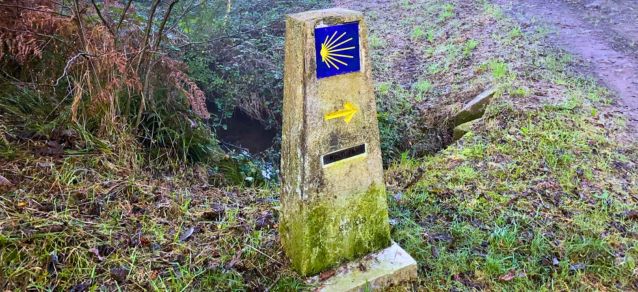
Routes of the Camino de Santiago, Camino Inglés
The Camino Inglés is the route that pilgrims from northern Europe traveled, starting by boat from their countries of origin. Today, it begins in A Coruña or Ferrol, one of the two ports where those medieval ships docked. This Jacobean Route has gained popularity among pilgrims thanks to its scenic charm and rich historical tradition. Its moderate distance appeals to those who wish to complete it in less time or those who prefer a more leisurely pilgrimage.
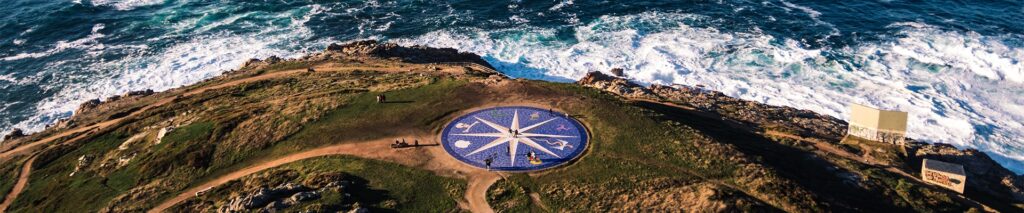
Camino Inglés from A Coruña to Santiago
6 days / 5 nights
Starting at 360 €
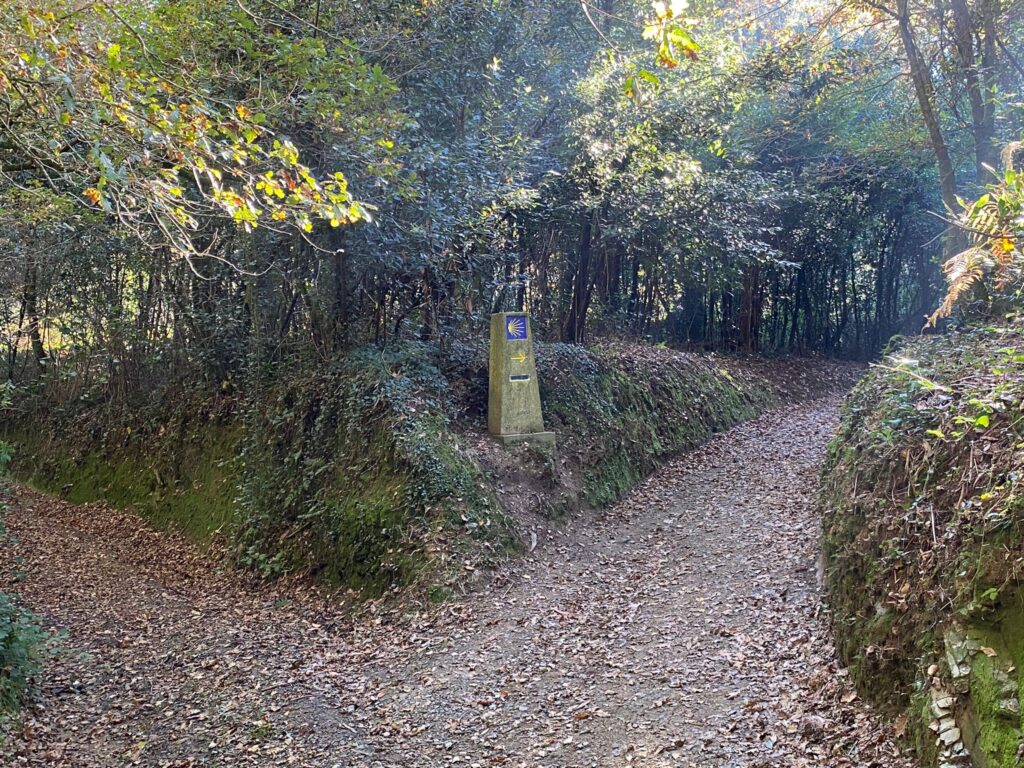
Camino Inglés from Ferrol to Santiago
8 days / 7 nights
Starting at 525 €
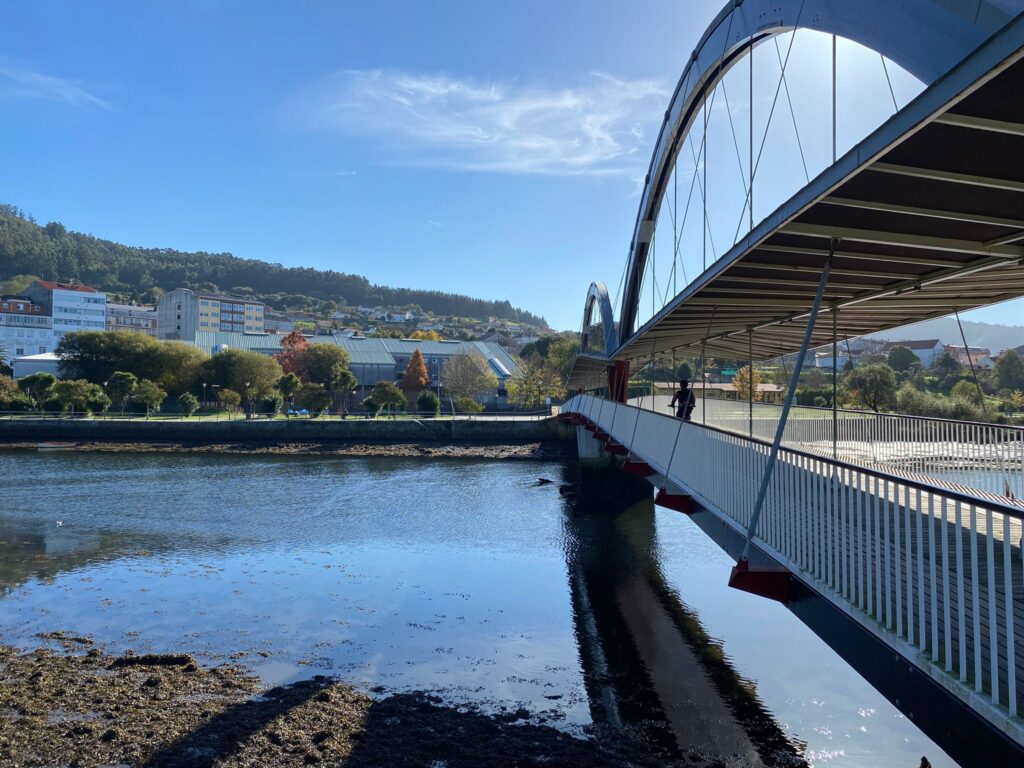
Camino Inglés from Ferrol to Santiago (Pontedeume option)
7 days / 6 nights
Starting at 475 €
Camino Inglés is one of the Jacobean Routes that has gained popularity in recent years due to its scenic beauty and its historical connection with pilgrims arriving from northern Europe in the Middle Ages, entering by boat through the main ports of Galicia.
This Camino de Santiago, with three distinct variants, is made up of several stages, each with its own beauty and challenges, although, in general, it is very accessible in terms of difficulty for all pilgrims. From picturesque Ferrol, through A Coruña, the city of glass, to historic Betanzos, the Camino Inglés offers a unique experience through incomparable towns and landscapes.
One of the advantages of the Camino Inglés is its relatively short distance compared to other routes, making it perfect for those who want to complete it in less time. Some pilgrims choose to do it in 5 days, while others choose to take more time to enjoy each stage. At Rutas Meigas, we tailor the Camino de Santiago to your needs.
Reviews of the English Way are always excellent, highlighting its tranquility, as it’s not a crowded route, and its beauty.
Your adventure on the Camino Inglés starts here! Buen Camino!
We answer some of the most frequently asked
questions about the Camino Inglés
How many kilometers is the Camino Inglés?
The Camino Inglés is the shortest route of all the Camino de Santiago variants. This was the pilgrimage route chosen by pilgrims from northern Europe and the British Isles, who arrived by boat at one of the ports in the province of A Coruña and from there walked to Compostela.
Currently, the Camino Inglés has two main starting points: Ferrol, with just over one hundred kilometers, and A Coruña. The Camino Inglés from A Coruña to Santiago is only 72 kilometers, so although pilgrims can still get their credentials stamped at each stage if they wish, it is not possible to obtain the Compostela upon reaching Santiago. The only pilgrims who are granted it by the Pilgrim’s Office are the residents of A Coruña who have previously visited the Jacobean sites in the city.
How many days does It take to complete the Camino Inglés?
If you start the Camino Inglés from Ferrol, it will take eight days to reach Santiago, and if you start the Camino Inglés from A Coruña, it will take six days. Starting from Ferrol, there is an option to take the route through Pontedeume, which takes seven days and completes the one hundred kilometers.
How many stages does the Camino Inglés from Ferrol have?
If you start the Camino Inglés from Ferrol, the traditional variant consists of six stages. If you opt for the Camino Inglés through Pontedeume, it is only five stages.
Where does the Camino Inglés end?
The Camino Inglés, like all Camino de Santiago routes, ends at the Cathedral of Santiago de Compostela, where the remains of Apostle James are buried.
Can I do the Camino Inglés without carrying luggage?
Hiring luggage transfer for the Camino Inglés is quite common. Most pilgrims choose to use a luggage transfer service between stages, allowing them to carry only a small backpack with the essentials for the day.
On all the journeys of the Camino Inglés managed by Rutas Meigas, we offer the transfer of one piece of luggage per pilgrim, with a maximum limit of 20 kg per piece. If you need us to transport more than one piece of luggage, you can easily arrange this additional service at a very affordable cost.
Where can I stay other than hostels on the Camino Inglés?
If you book your organized Camino Inglés with Rutas Meigas, we always offer accommodations in private rooms with en-suite bathrooms. The type of accommodation will depend on availability at the end of each stage, but the usual options are hotels, guesthouses, or rural homes.
How many days are needed to complete the Camino Inglés?
As one of the shortest Camino de Santiago routes, the average time to complete the Camino Inglés is one week.
Still have questions about the Camino Inglés?