
Camino Francés
Routes of the Camino de Santiago, Camino Francés
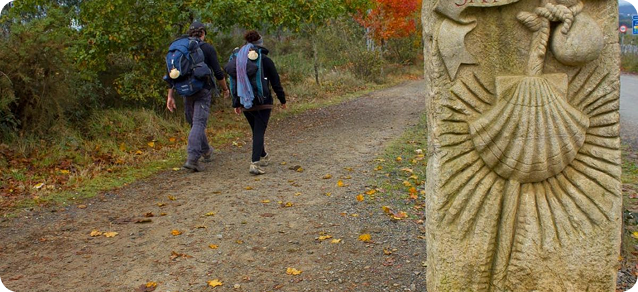
The Camino Francés is one of the most popular sections of the Camino. There are 12 different pilgrim routes defined to meet the needs of each pilgrim and with the goal of bringing them closer to or leading them to the Apóstol Santiago.
Routes of the Camino de Santiago, Camino Francés
The Camino Francés is one of the most popular sections of the Camino. There are 12 different pilgrim routes defined to meet the needs of each pilgrim and with the goal of bringing them closer to or leading them to the Apóstol Santiago.
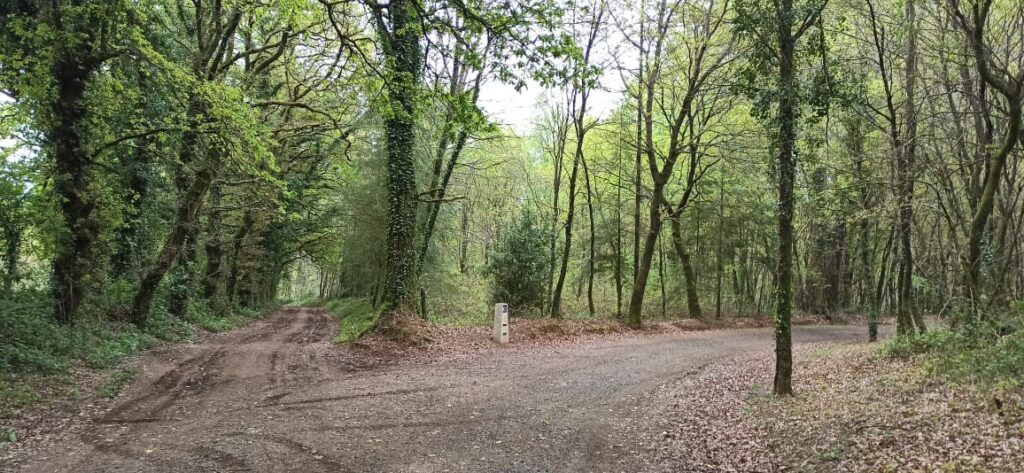
Camino francés from Sarria to Santiago de Compostela
7 days / 6 nights
Starting at 475 €
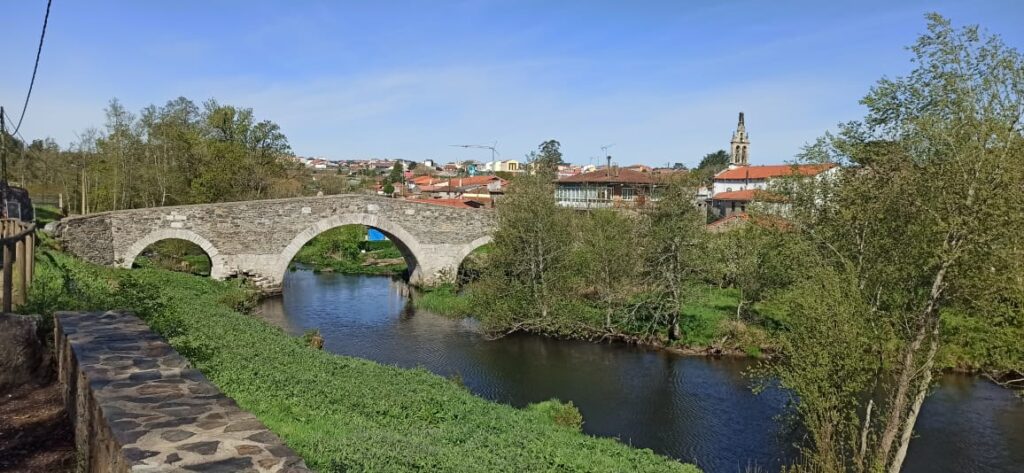
Camino francés from Sarria to Santiago – with Melide
8 days / 7 nights
Starting at 548 €
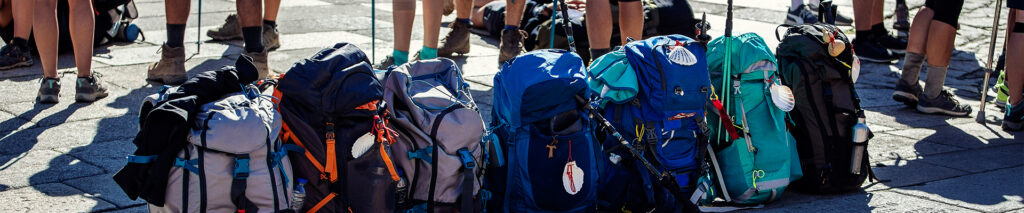
Camino francés from Sarria to Santiago (in short stages)
12 days / 11 nights
Starting at 820 €
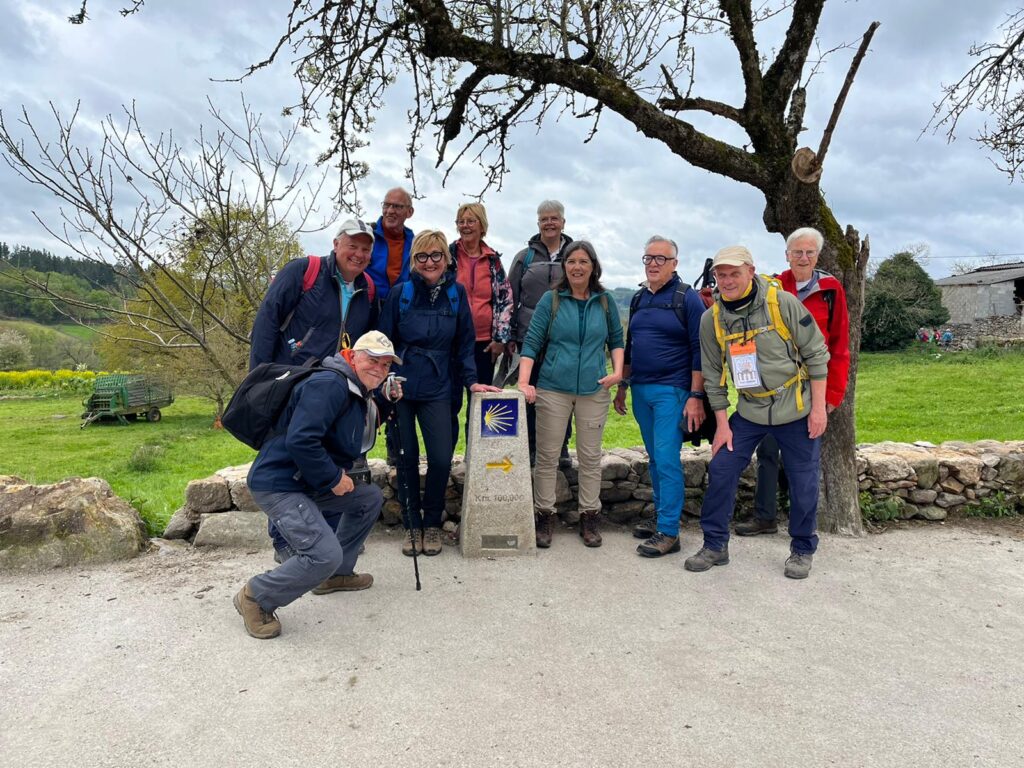
Camino francés from Sarria to Finisterre
12 days / 11 nights
Starting at 820 €
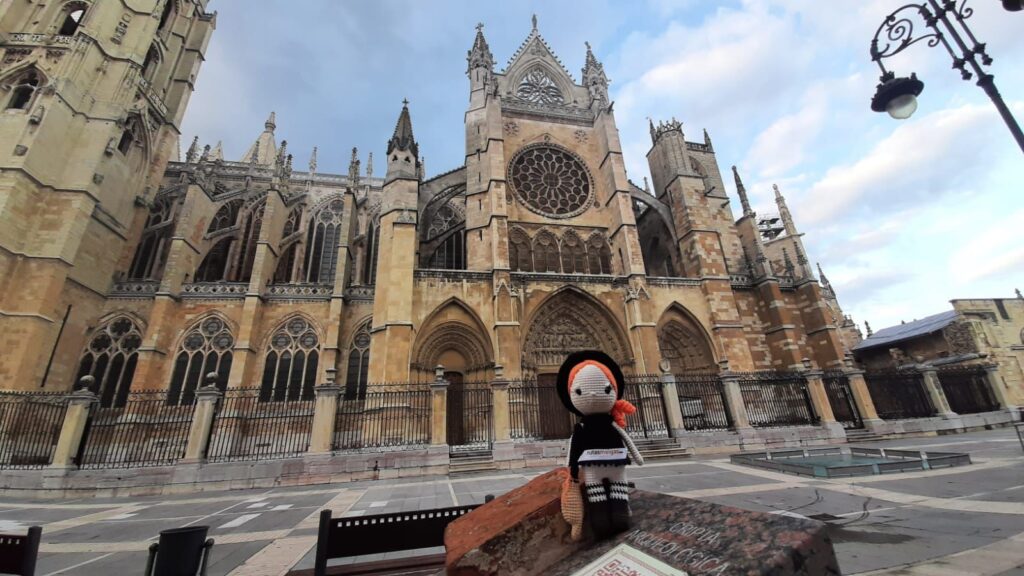
Camino francés from León to Santiago
18 days / 17 nights
Starting at 1300 €
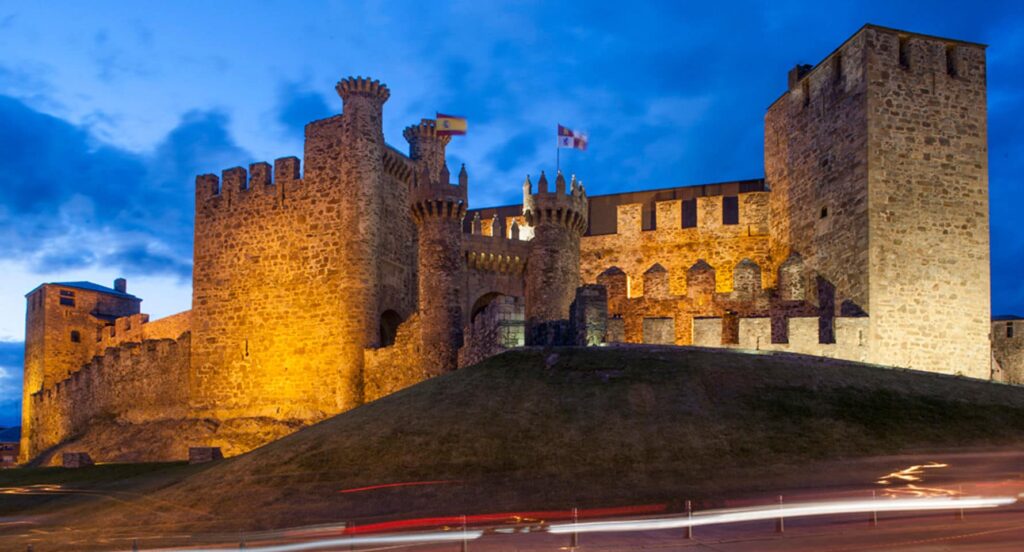
Camino francés from Ponferrada to Santiago
13 days / 12 nights
Starting at 920 €
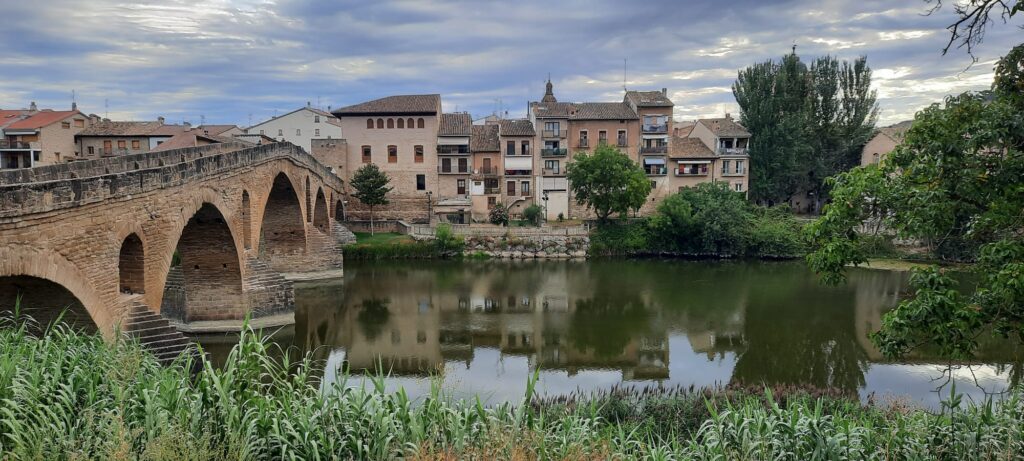
Camino francés from Roncesvalles to Santiago
40 days / 39 nights
Starting at 2985 €
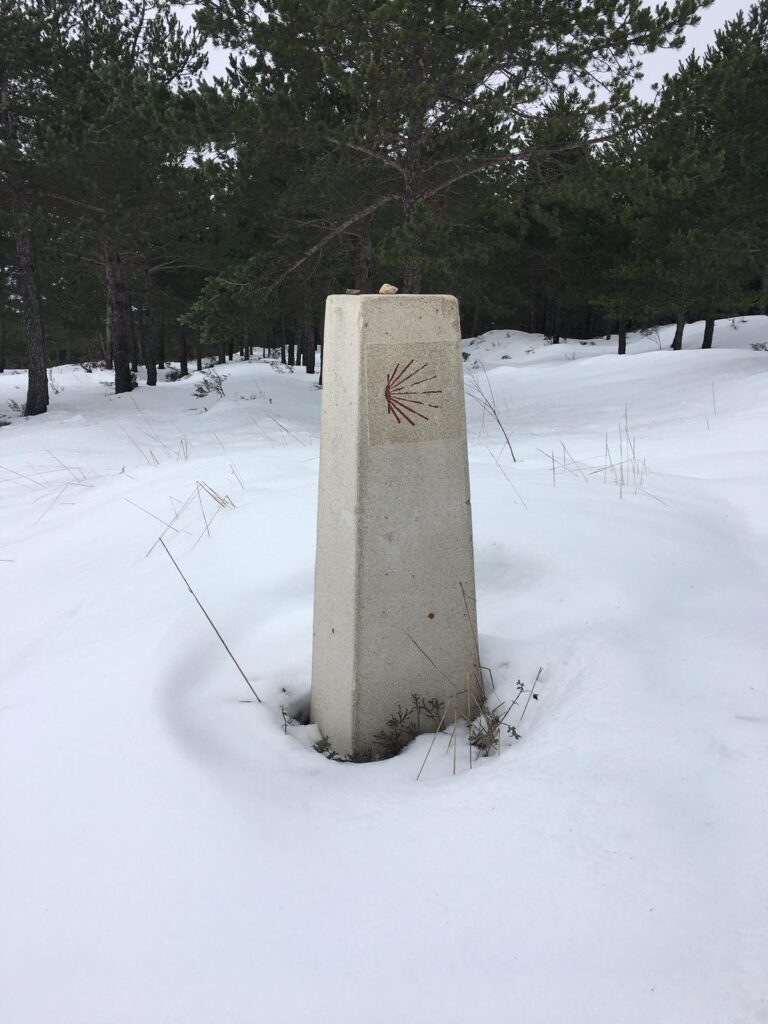
Camino francés from Roncesvalles to Logroño
8 days / 7 nights
Starting at 540 €
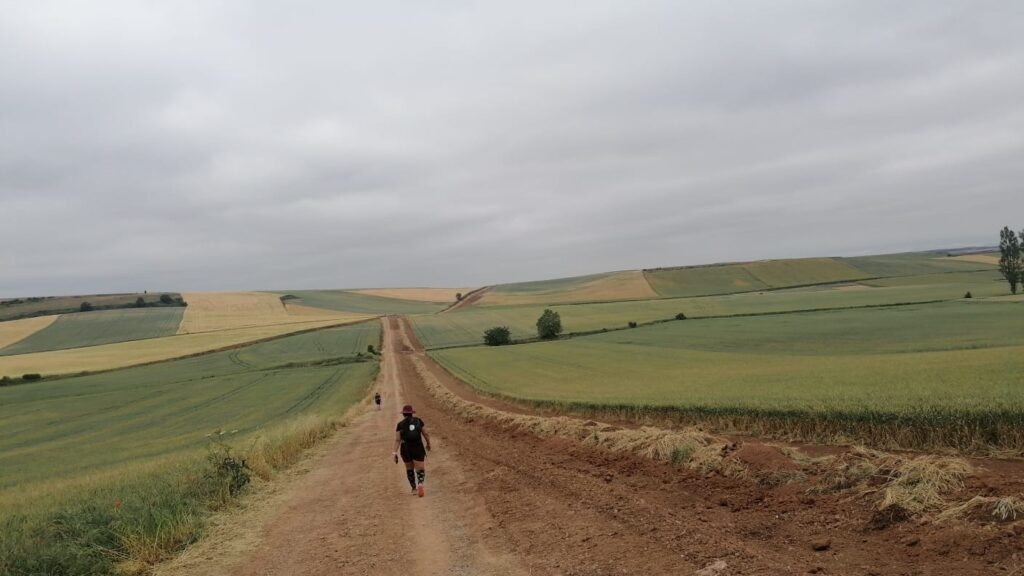
Camino francés from Logroño to Burgos
7 days / 6 nighst
Starting at 460 €
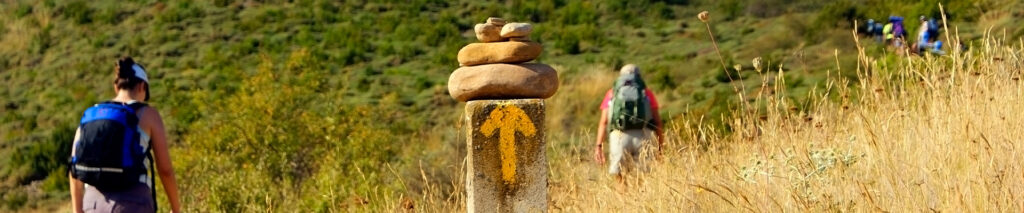
Camino francés from Burgos to León
11 days / 10 nights
Starting at 765 €
Camino francés from León to O Cebreiro
9 days / 8 nights
Starting at 613 €
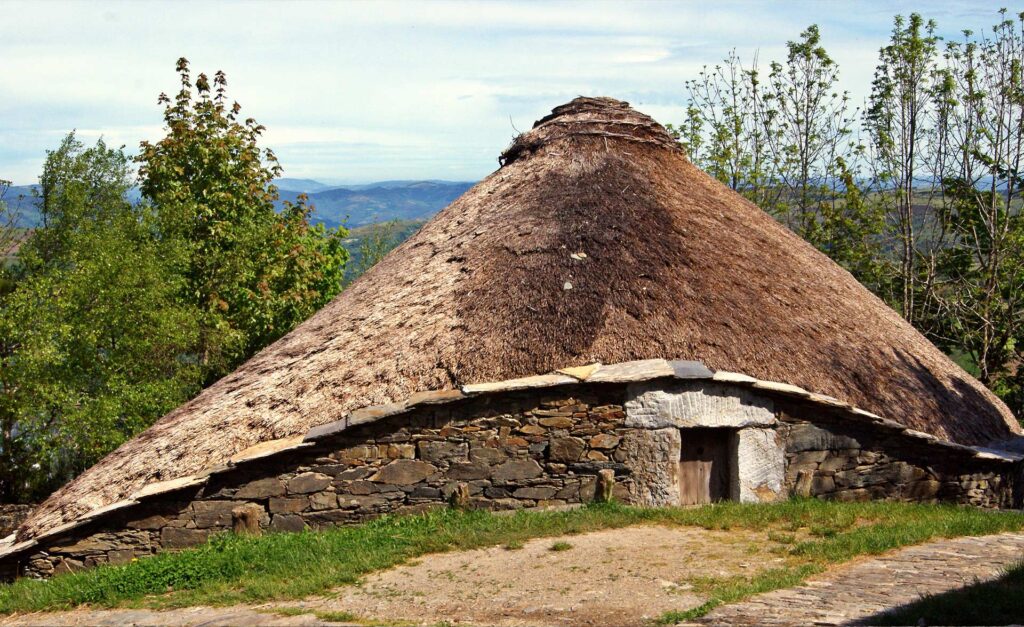
Camino Francés from O Cebreiro to Santiago
10 days / 9 nights
Starting at 715 €
The Camino Francés is the most traveled and recognized of all the Camino de Santiago routes. It begins in various parts of Europe, but the most commonly known route begins in Roncesvalles.
The Camino is characterized by its varied landscapes and extraordinary monumental wealth. The Camino Francés covers approximately 930 km with a total of 32 stages. From the Pyrenees to Santiago de Compostela, the French Way passes through the regions of Aragon, Navarre, La Rioja, Castile and León, and Galicia, a route traveled by more than 150,000 pilgrims each year.
The Camino Francés was the first Camino de Santiago route declared a World Heritage Site by UNESCO and is the first European Cultural Route.
Your adventure on the Camino Francés begins here! Buen Camino!
We answer some of the most frequently asked
questions about the Camino Francés
How many kilometers is the Camino de Santiago Francés?
As true Galicians, when asked how many kilometers the Camino de Santiago Francés is, we often answer: “it depends.” It depends on where you start walking.
If we talk about the most traditional original route, the Camino de Santiago Francés stretches from Roncesvalles to Santiago de Compostela. In this Spanish locality, or, in many cases, in the French town of Saint Jean Pied de Port, all pilgrims heading to Compostela from the center of Europe have converged since the Middle Ages.
Therefore, the Camino Francés in this complete variant from Roncesvalles to Santiago de Compostela covers 143 kilometers.
Which are the main stages of the Camino de Santiago Francés?
The stages of the Camino de Santiago Francés from Roncesvalles to Santiago de Compostela have also marked the development of most of the localities they pass through, and in all of them, we find memorable landmarks.
However, if we had to highlight some specific stages, they would be:
Of course, the first stage from Roncesvalles to Zubiri is noteworthy, given the immense Jacobean tradition of this Navarre town, which provides access to Spain for European pilgrims and where we find the Collegiate Church of Santa María, from the 13th century, the Casa de los Beneficiados, or the old Hospital of Itzandegia. Additionally, we begin our pilgrimage to Compostela in the heart of the Navarre Pyrenees, with incredible landscapes that test our legs right from the start.
In the stage of the Camino de Santiago Francés from Pamplona to Puente La Reina, we pass through Alto del Perdón, a mythical place for pilgrims where we find the monument dedicated to pilgrimages. Furthermore, the destination town, Puente La Reina, has a significant Jacobean tradition.
The stage that takes us from Vega de Valcárcel to O Cebreiro stands out for two fundamental reasons: it marks the entry of the Camino de Santiago Francés into Galicia and includes the legendary Cuesta de la Faba, a 12-kilometer ascent that is the steepest climb of the Camino Francés in Spanish territory. Additionally, the end of this stage of the Camino Francés takes us to O Cebreiro, a town of immense beauty and ethnographic value due to its famous pallozas (celtic houses), and of great importance on the Camino de Santiago. O Cebreiro was the home of Elías Valiña, the priest who began marking the Camino de Santiago routes with the now-essential yellow arrows.
As we delve fully into Galician territory, the next relevant stage on the Camino de Santiago Francés is Sarria to Portomarín. This is because Sarria is the starting point for pilgrims to Santiago walking the last 100 kilometers of the Camino de Santiago, which are required to obtain the Compostela at the Pilgrim’s Office once we reach Santiago.
And, although there are many main stages of the Camino Francés, we must focus on the most significant one, the last one of all, which ends in Santiago de Compostela at the feet of the tomb of Apostle James.
Can I do the Camino de Santiago Francés without carrying my luggage?
Yes, of course. In fact, this is currently the most common practice. Most pilgrims opt for a luggage transfer service between stages, so they only walk with a small backpack carrying the essentials for the day.
All the routes of the Camino de Santiago organized by Rutas Meigas include the transfer of one piece of luggage per pilgrim up to a maximum of 20 kg per piece. If you need more than one piece of luggage transferred, you can arrange it separately at a very affordable cost.
Which is the most crowded stage of the Camino de Santiago Francés?
Again, we could rely on our Galician nature and answer that it depends, but generally, the most crowded stage is Melide to Arzúa. Why? Because in Melide, the Camino de Santiago Francés joins the Camino Primitivo, which means that pilgrims from the Camino Francés arriving from Palas de Rei are joined by those from the Camino Primitivo coming from A Ponte Ferreira.
Which is the hardest route of the Camino de Santiago Francés?
In Spain, possibly, as we mentioned earlier, it would be the one ending in O Cebreiro due to the climb up A Costa da Faba, which is quite challenging with its many kilometers of ascent and a gradient of 660 meters.
However, if we consider other legendary stages beyond our borders, the Camino de Santiago Francés variant known as the Napoleon Route from Saint Jean Pied de Port to Roncesvalles, which crosses the Pyrenees, offers a spectacular yet challenging journey for the pilgrims.
Where can I stay that isn't a hostel for the Camino de Santiago Francés?
Currently, there is a vast array of accommodation options on the Camino de Santiago Francés. Being the most traveled and popular, it also boasts an extensive network of services for pilgrims.
Moreover, if you choose Rutas Meigas for your organized Camino Francés, we take care of finding accommodations tailored to your category and price preferences. In any case, you can always expect private rooms with en-suite bathrooms.
How many days do I need to complete the Camino de Santiago Francés?
This is another question with a highly variable answer, as it depends on the pilgrim, the time available, and the chosen route.
If you decide to complete the entire Camino de Santiago Francés from Roncesvalles to Santiago de Compostela, you will need forty days for the nearly eight hundred kilometers you will walk.
However, today, most pilgrims on the Camino de Santiago choose shorter sections based on their available time. Therefore, most people travel the Camino Francés from Sarria to Santiago, the last 100 kilometers of the Camino, which generally take seven days.
As we said, this really depends on you, because most stages and sections can be adapted if you want to walk fewer kilometers per day, take it easy, and have time. Alternatively, you can walk more kilometers per day if you have less time or if your physical condition allows you to push yourself a bit harder.
The Camino de Santiago is always a very personal experience that each person should take at their own pace.
Still have questions about the Camino Francés?