

Would you like to receive a personalized
quote by email?
Spiritual Variant Camino Portugues – from Baiona to Santiago
The Spiritual Variant Camino Portugues from Baiona to Santiago joins the Camino de Santiago in its route from Baiona with the Traslatio route.
What does this route mean? Well, it is the route that the remains the one the Apostle Santiago made in the year 44 DC. until reaching the place where he would be buried and where he is honored today, the city of Santiago de Compostela.

Starting at
690 € *

Distance
163 km

Duration
9 days / 8 nights

Difficulty
Easy

Regime
Bed and breakfast

Type of Accommodation
Private room with bathroom

Service
Backpack transport

Guided visit
of Santiago
* Price per person, based on double occupancy.
Camino de Santiago with Support
Camino Portugués from Baiona to Santiago (Spiritual variant)
Camino Portugués from Baiona to Santiago (Spiritual variant)
Origin of the Spiritual Variant of the Camino de Santiago
The story tells that Teodoro and Atanasio, disciples of the Apostle Santiago, decided to move his body, once dead, to the furthest place that he had reached in his evangelization. With it, they traveled the entire Mediterranean, bordered the Iberian Peninsula, and, once past the Portuguese coast, entered the Arousa estuary and, from there, the Ulla river to the town of Padrón. This Spiritual Variant Camino Portugues from Baiona to Santiago is also known as Ruta del Mar de Arousa.
This route not only reproduces the journey by boat, but from Padrón on, it also follows the same steps followed by the Apostle Santiago until he was finally buried in the current Compostela.
Of all the Caminos de Santiago, this is the route that most faithfully traces the footsteps of an Apostle who was never a pilgrim, but who has mobilized millions of people to become pilgrims.
Spiritual Variant Camino Portugues – from Baiona to Santiago: the route
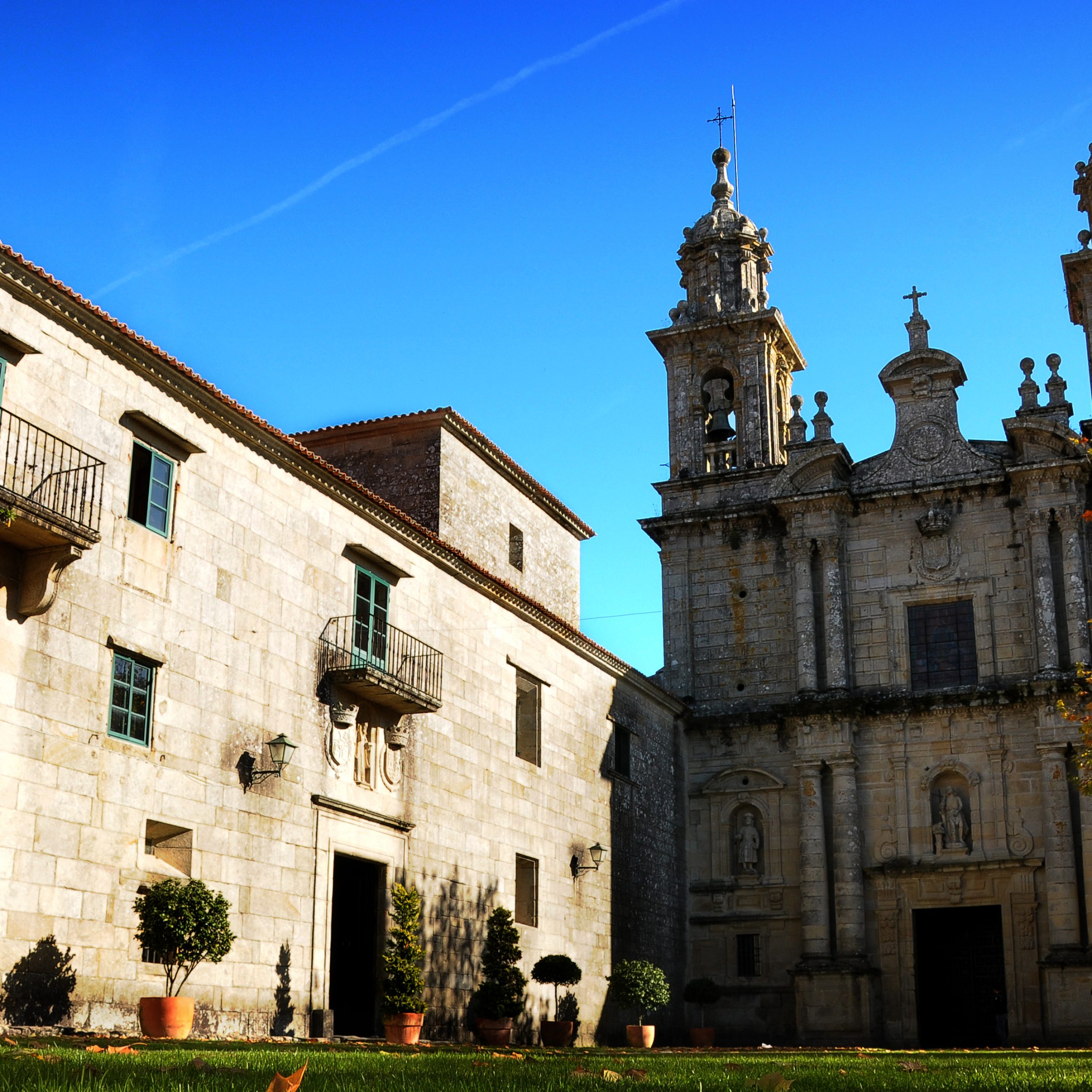
Our route begins in the town of Baiona, a coastal town in the very south of Galicia. Until reaching the town of Pontevedra, the route is the same as the Camino Portugues from Baiona to Santiago. Once we leave Pontevedra, we will find the detour that bifurcates the Camino Portugues and this Spiritual Variant. We should take the route to the left. This route will take us, walking along the Pontevedra estuary, to the Poio Monastery and, a little further on, to the beautiful town of Combarro, where granaries reign.
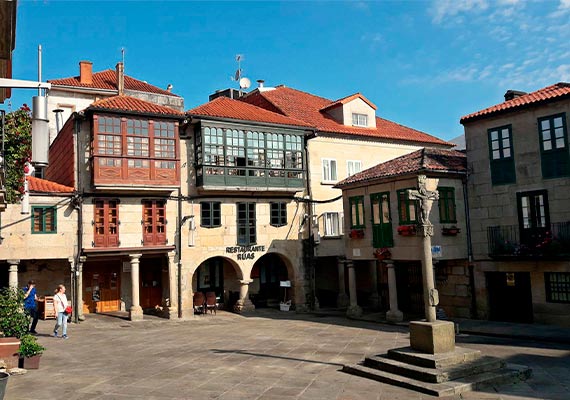
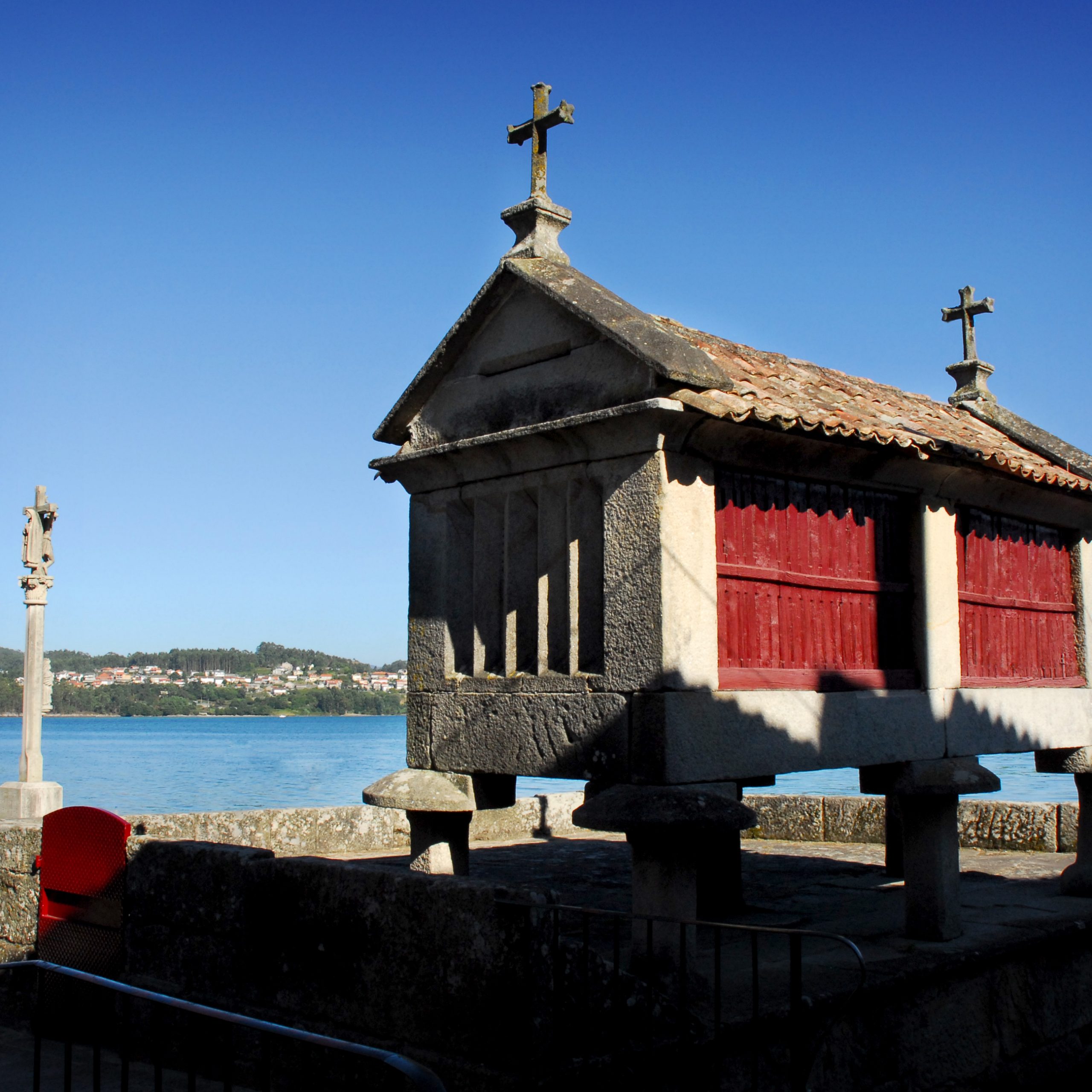
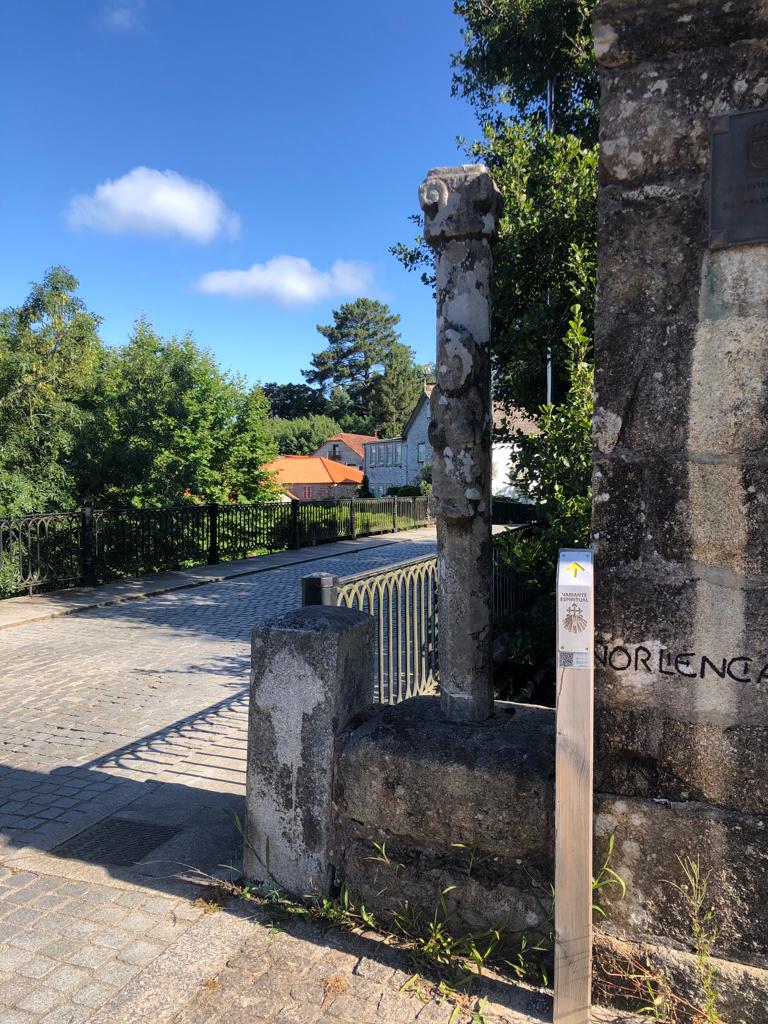
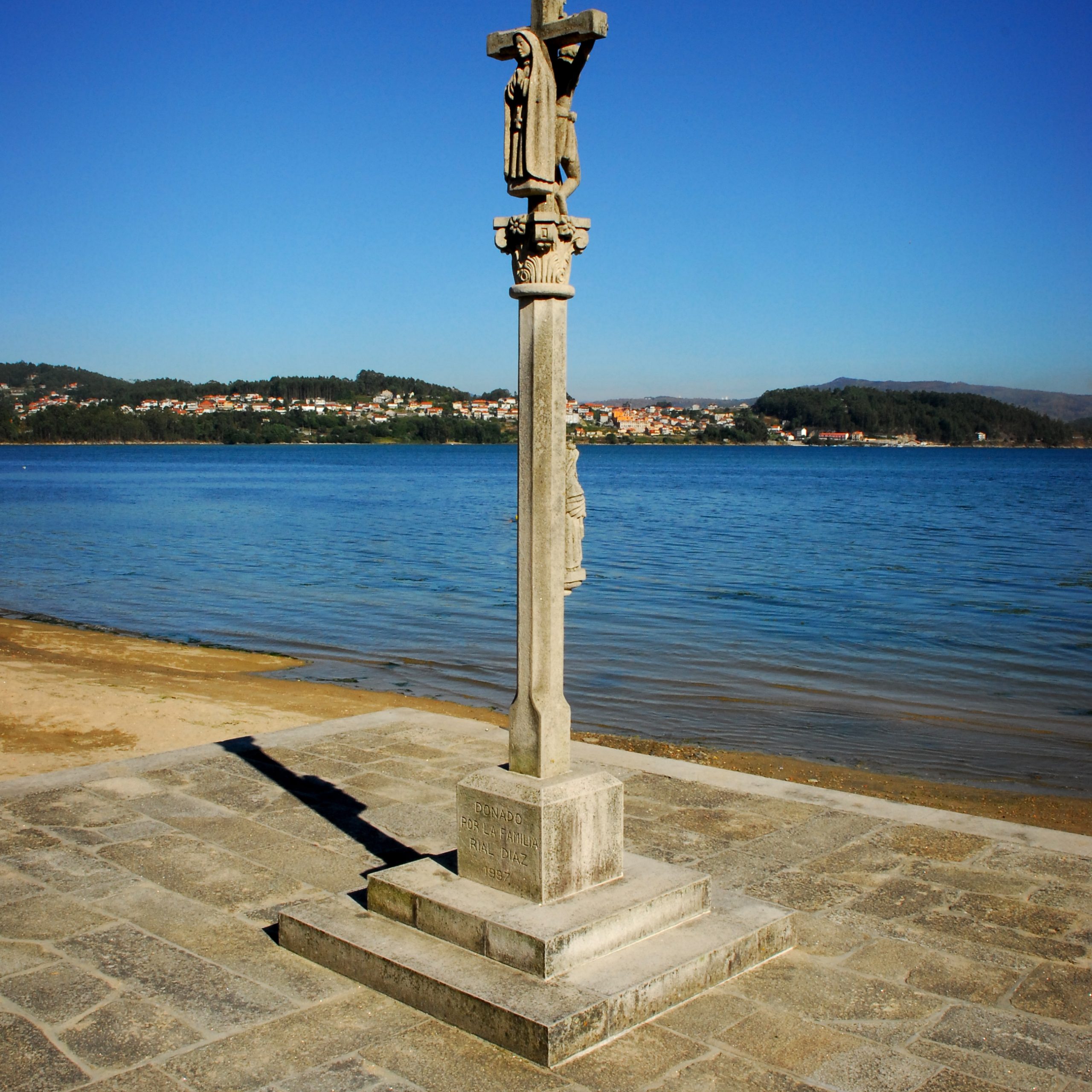
Combarro, capital of granaries and crosses
The historic center of Combarro, declared an Asset of Cultural Interest, is an unparalleled sample of three of the most traditional architectural elements in Galicia: the granaries, the fishermen’s houses and the stone crosses. A small town that lives facing the sea and in which, in addition to its unique architecture, we can find small typical restaurants in which to savor the unique gastronomy of Galicia.
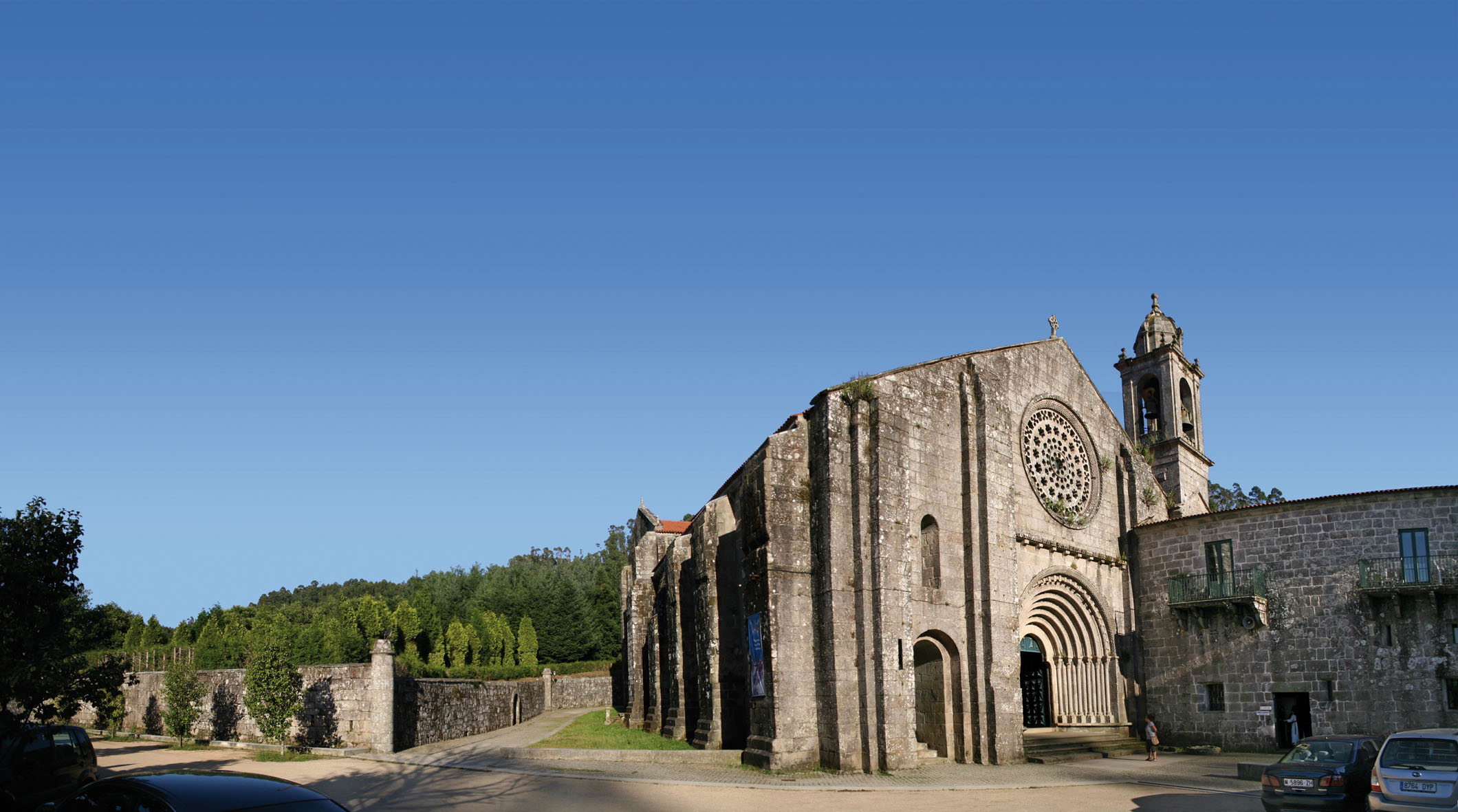
Armenteira Monastery
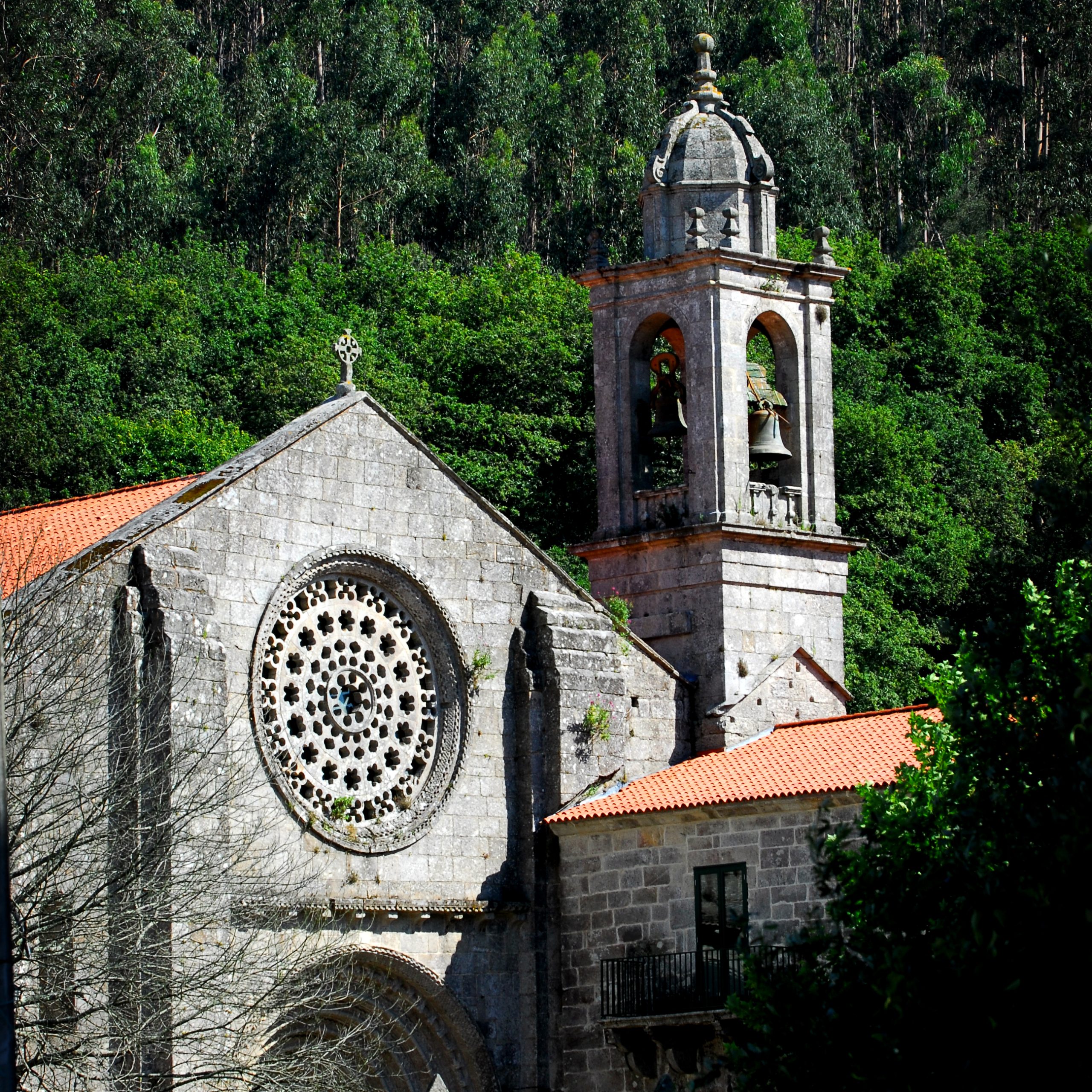
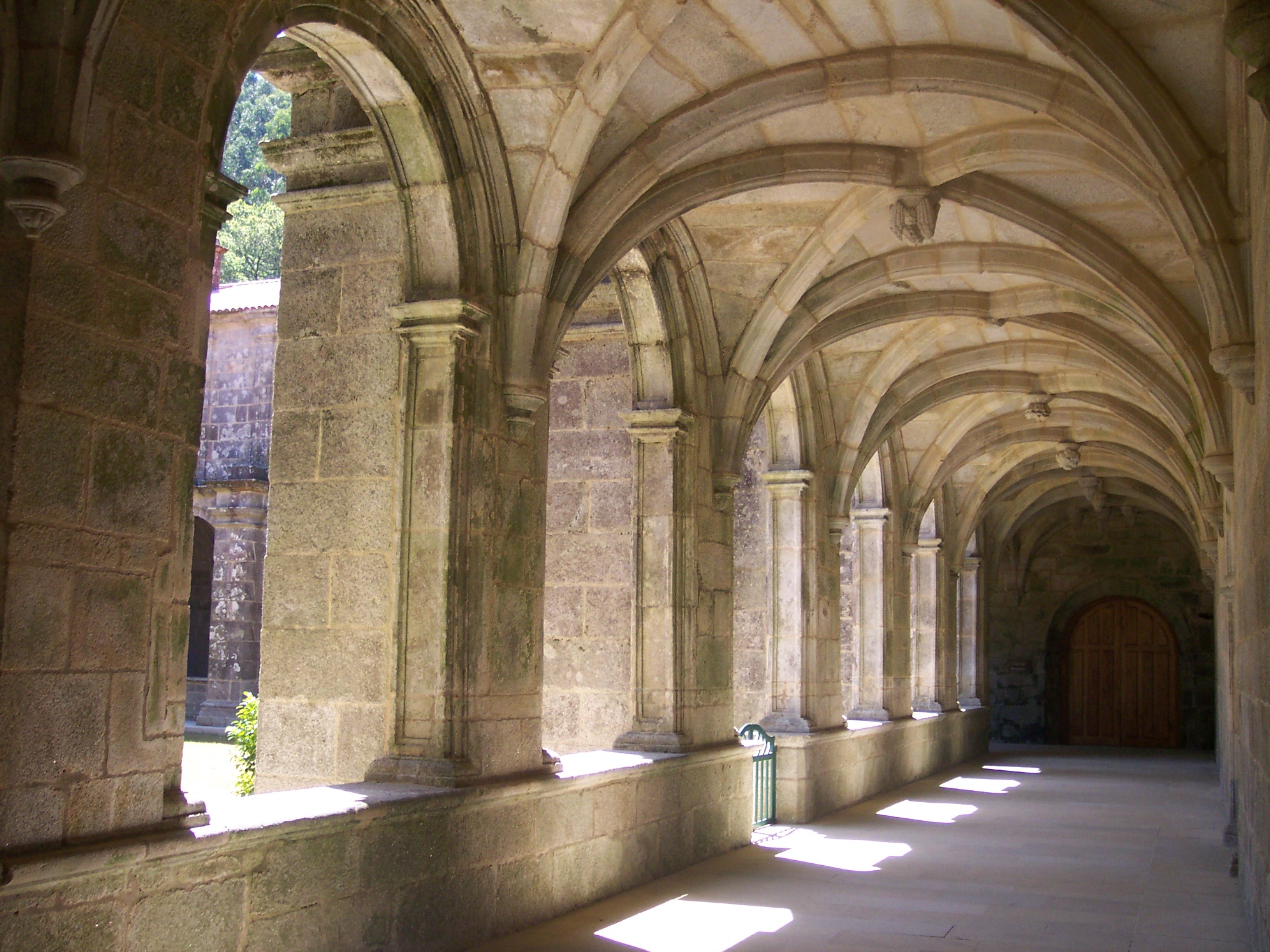
Located in a rural location in the interior, the Monastery of Armenteira belongs to the Cistercian order and it is inhabited by nuns. Its origins date back to the 12th century. Today, only the church remains as original, with a simple and austere architecture that reflects the symbology and spirituality of the Cistercians.
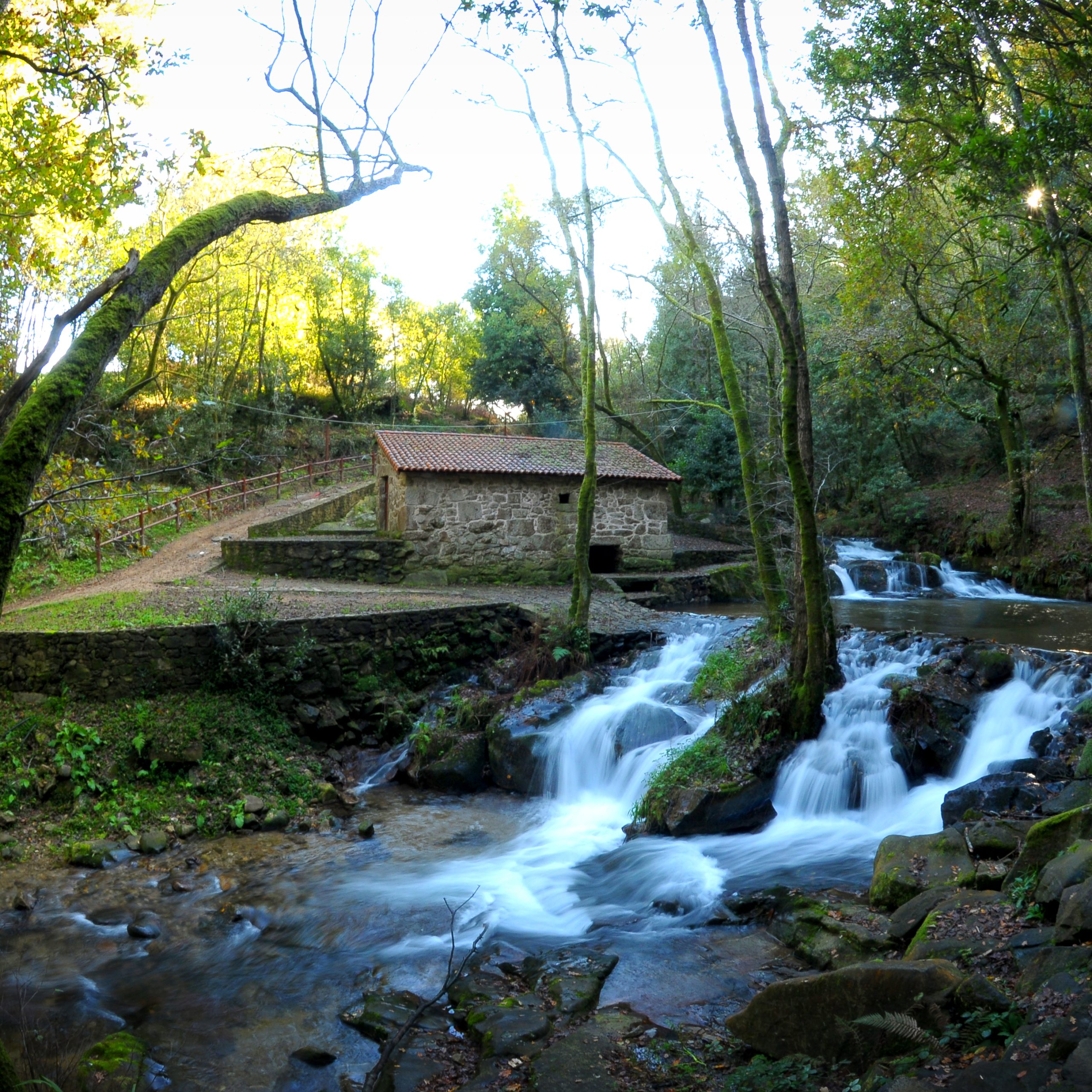
The Route of Stone and Water
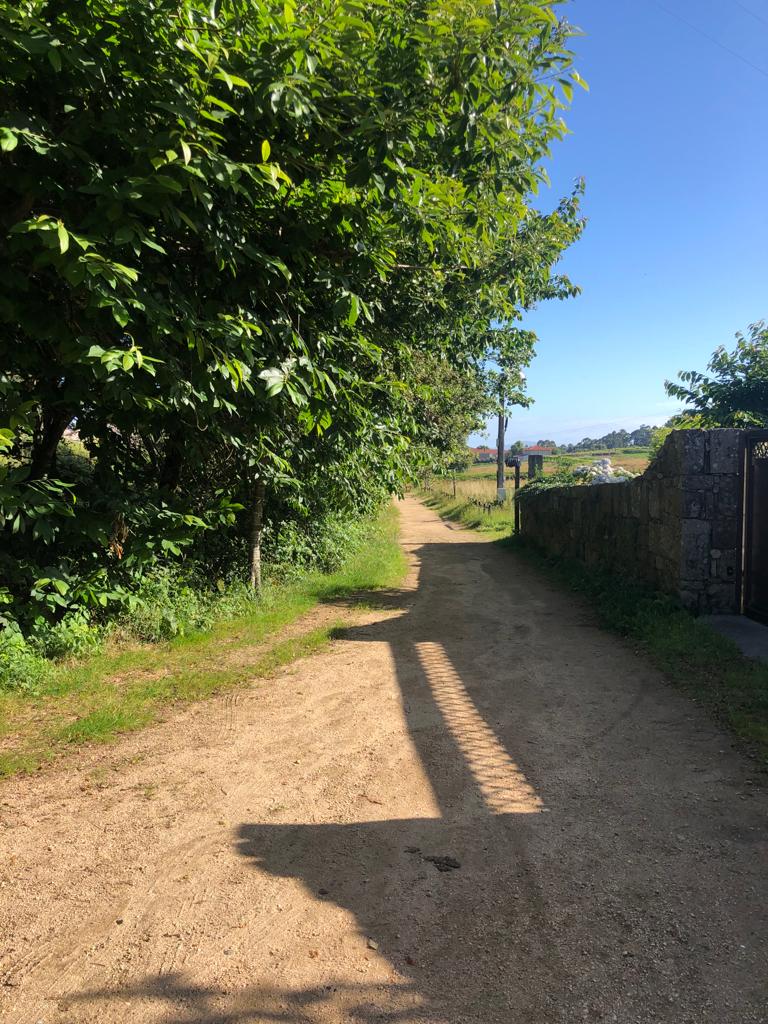
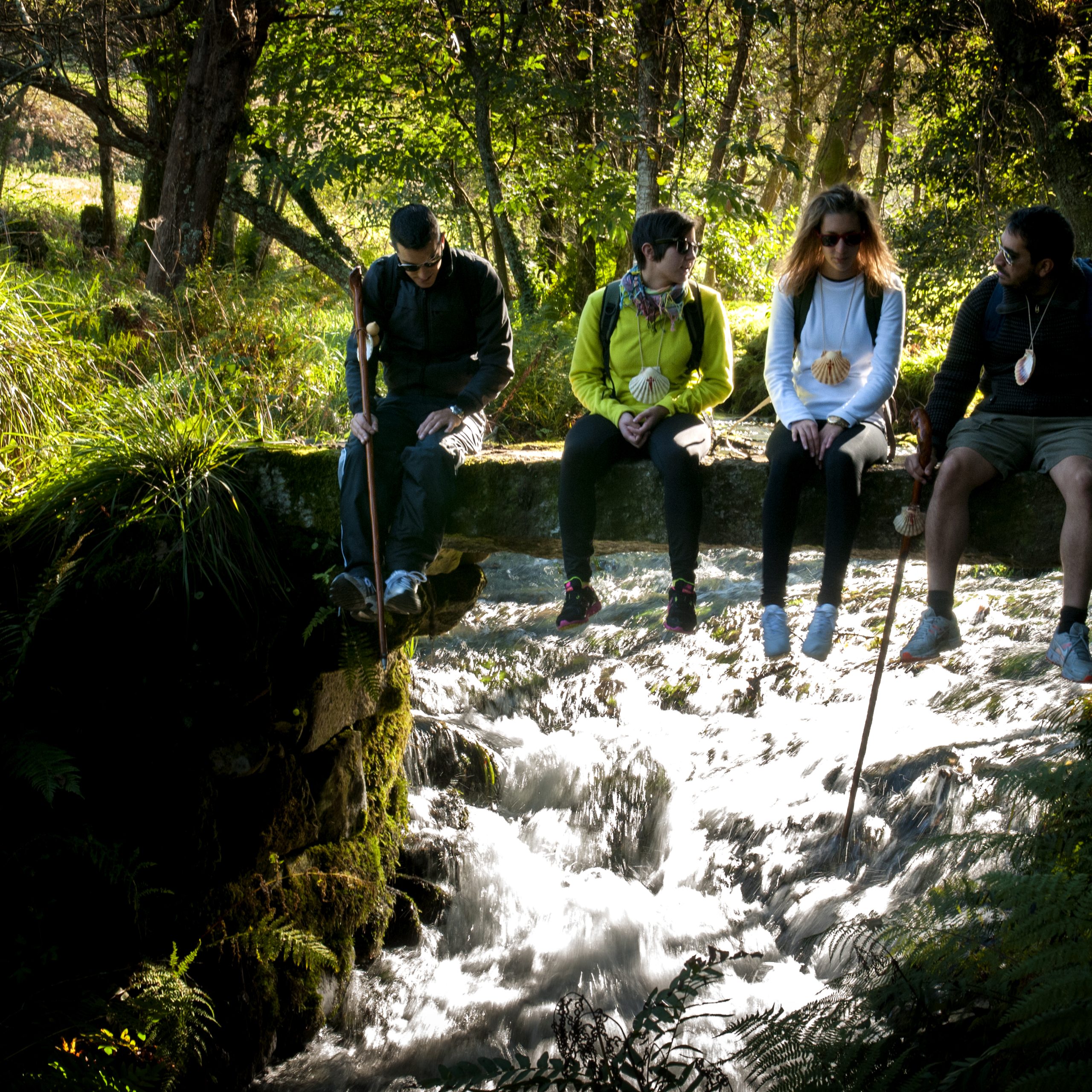
In the heart of the O Salnés region, once we leave the Armenteira Monastery and until reaching Pontearnelas, the pilgrim will travel this Route of Stone and Water. Crossing a natural landscape of enormous beauty, we will find a good number of mills on the banks of the river. It is a wooded area, with plenty of shade. Little by little, we will enter landscapes of orchards and vineyards that anticipate our arrival at the Arousa estuary.
Spiritual Variant Camino Portugues from Baiona to Santiago by water
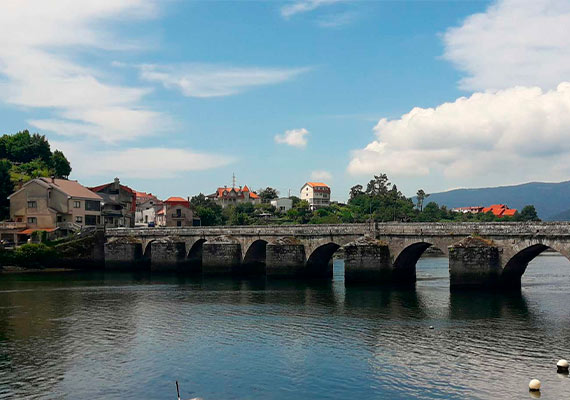
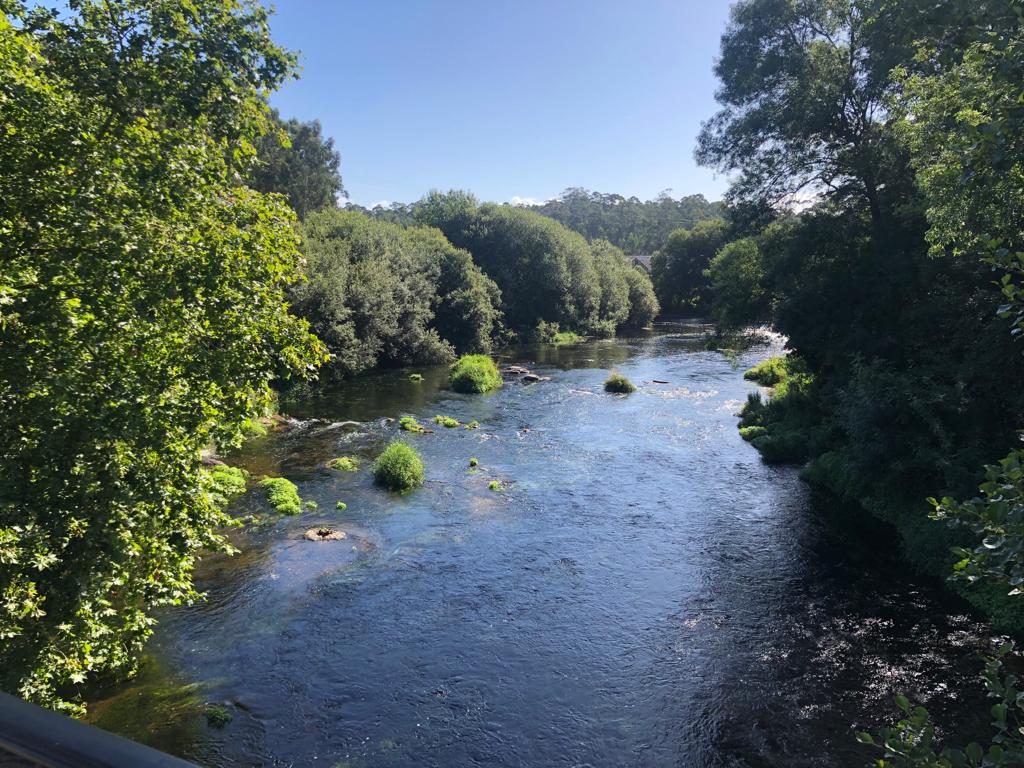
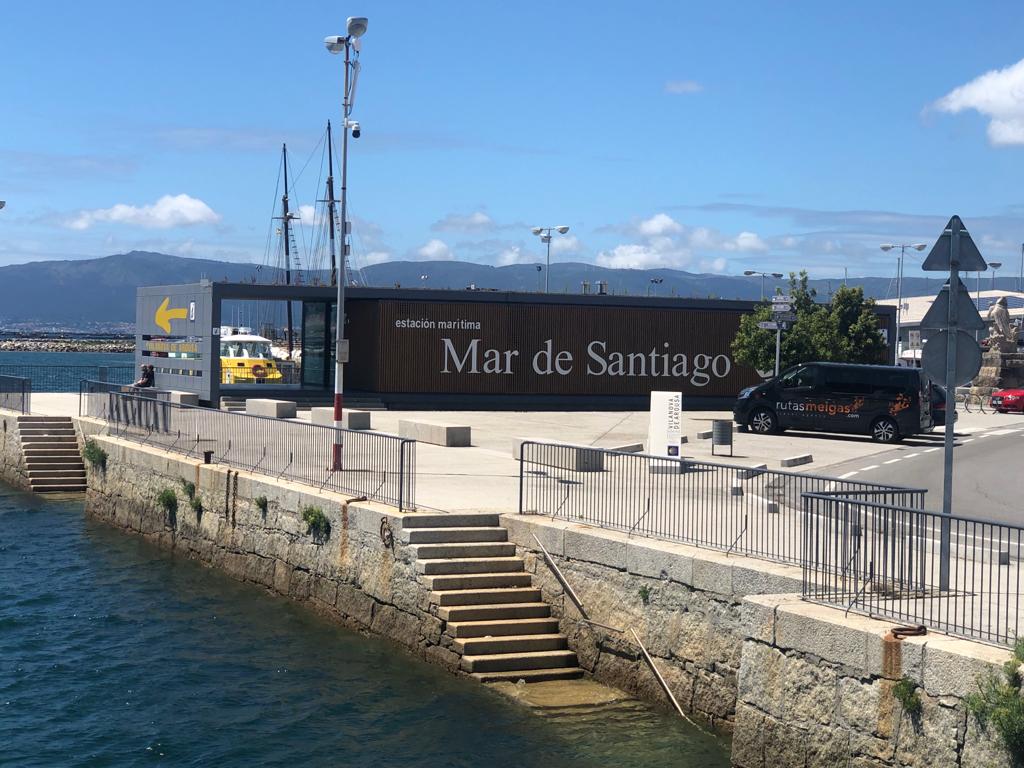
Between the towns of Vilanova de Arousa and Pontecesures, the route is made by boat, just as the Apostle Santiago did. The crossing begins in the Arousa estuary and then continues sailing down the Ulla River. Surrounded by rafts in which mussels are grown, we will pass through the only fluvial Via Crucis in the world, made up of seventeen crosses that mark this Traslatio route.
The Portuguese Way to Compostela
Once on land, the Spiritual Variant Camino Portugues from Baiona to Santiago resumes the route of the Camino Portugues in all its variants between Padrón and Santiago. We will have one last stage before reaching our goal, at the feet of the Apostle Santiago.
Buen Camino!
Baiona
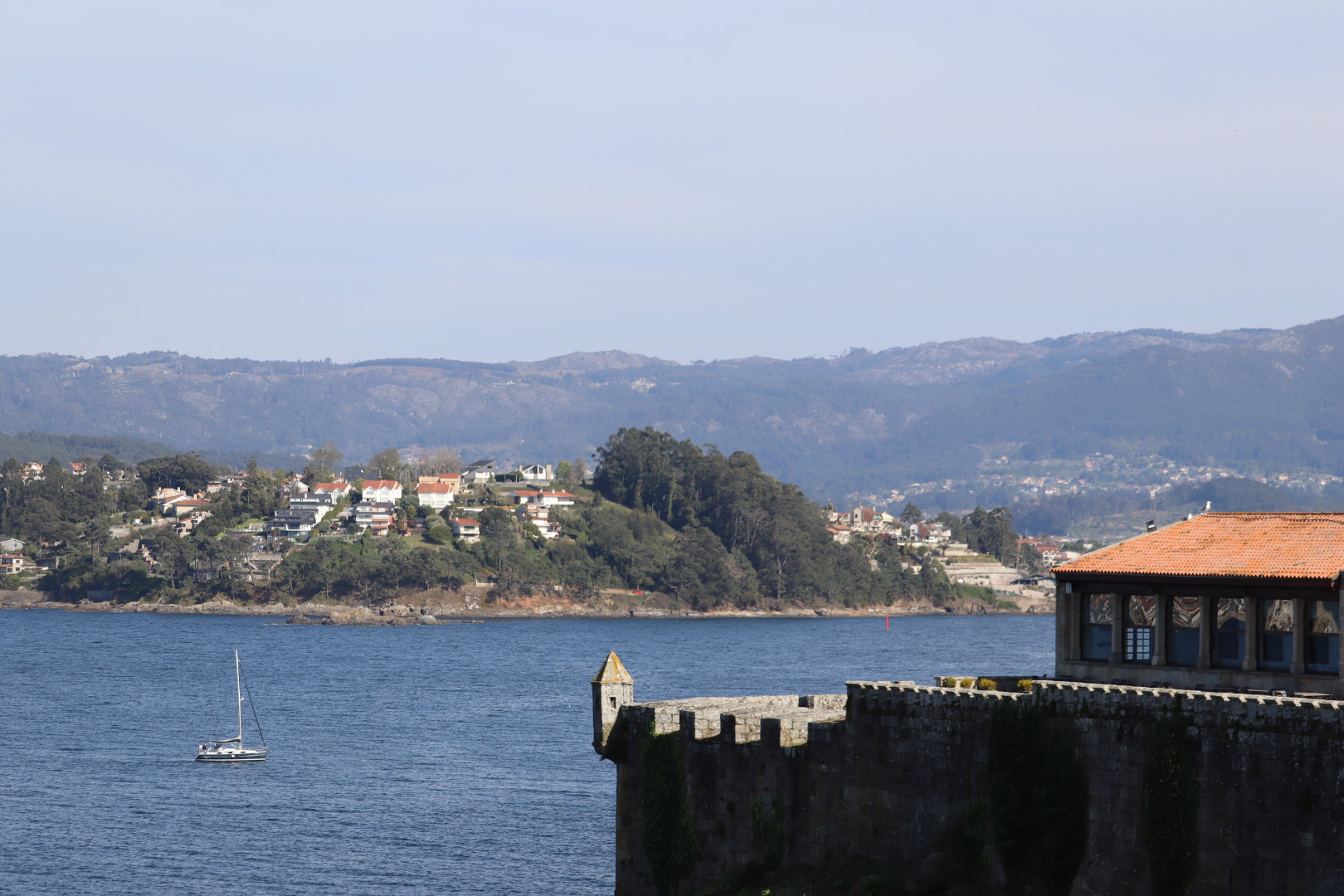
This fishing village is one of the most attractive tourist destinations in the Rías Baixas. It has a wide range where you can enjoy both the incredible natural, cultural, historical and gastronomic resources. Noteworthy are the Paseo del Monte Boi, the Monterreal fortress, the Silleiro lighthouse and the Cíes Islands. Arrival on your (see transfer service).
Accommodation in Baiona.
Baiona - Vigo
Difficulty level: medium.
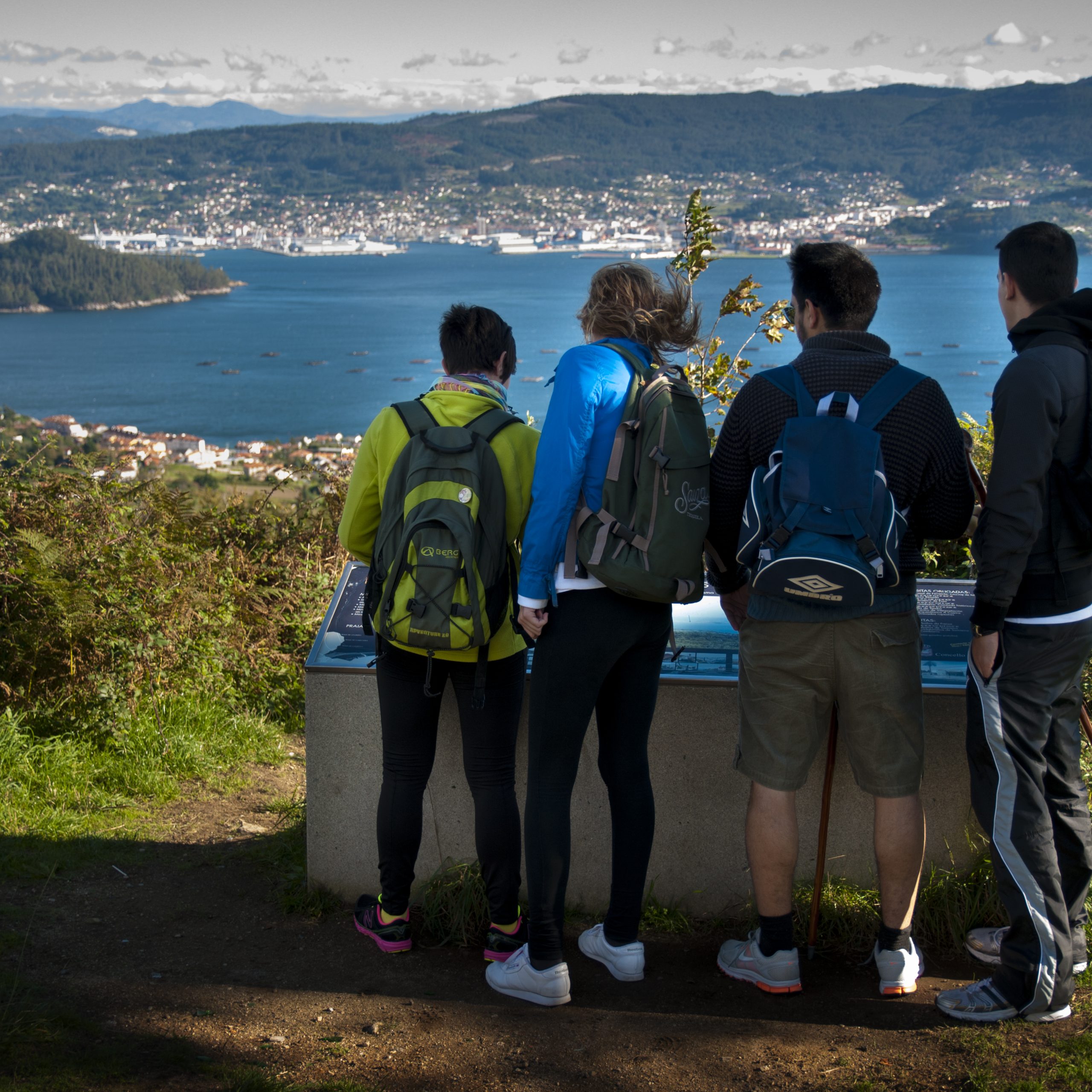
This first stage fascinates us with its landscapes. At the mouth of Vigo, we hike to Nigrán. We pass beaches such as Panxón, Patos and Samil until we reach the largest city in Galicia, Vigo. The difficulty today lies in the kilometers and differences in altitude. There is also the possibility to hike inland towards Priegue and Coruxo and then let us take you along the river path. This option can be a little less interesting, especially access to Vigo as it’s an industrial area.
Accommodation in Vigo.
Vigo - Redondela
Difficulty level: easy.
We leave Vigo in the direction of Senda da Traida das Augas, where the route leads us to Redondela, where our route inland meets the Portuguese route. Before the Camino reaches this point, it passes near Trasmañó. Some pilgrims opt for a deviation of ~ approx. 5 km to see the impressive waterfall. The forests and the inlets remain our companions on the road during the stage. When we finally reach Redondela.
Accommodation in Redondela.
Redondela - Pontevedra
Difficulty level: easy.
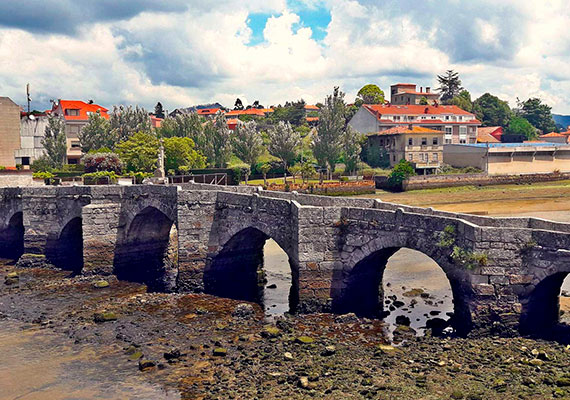
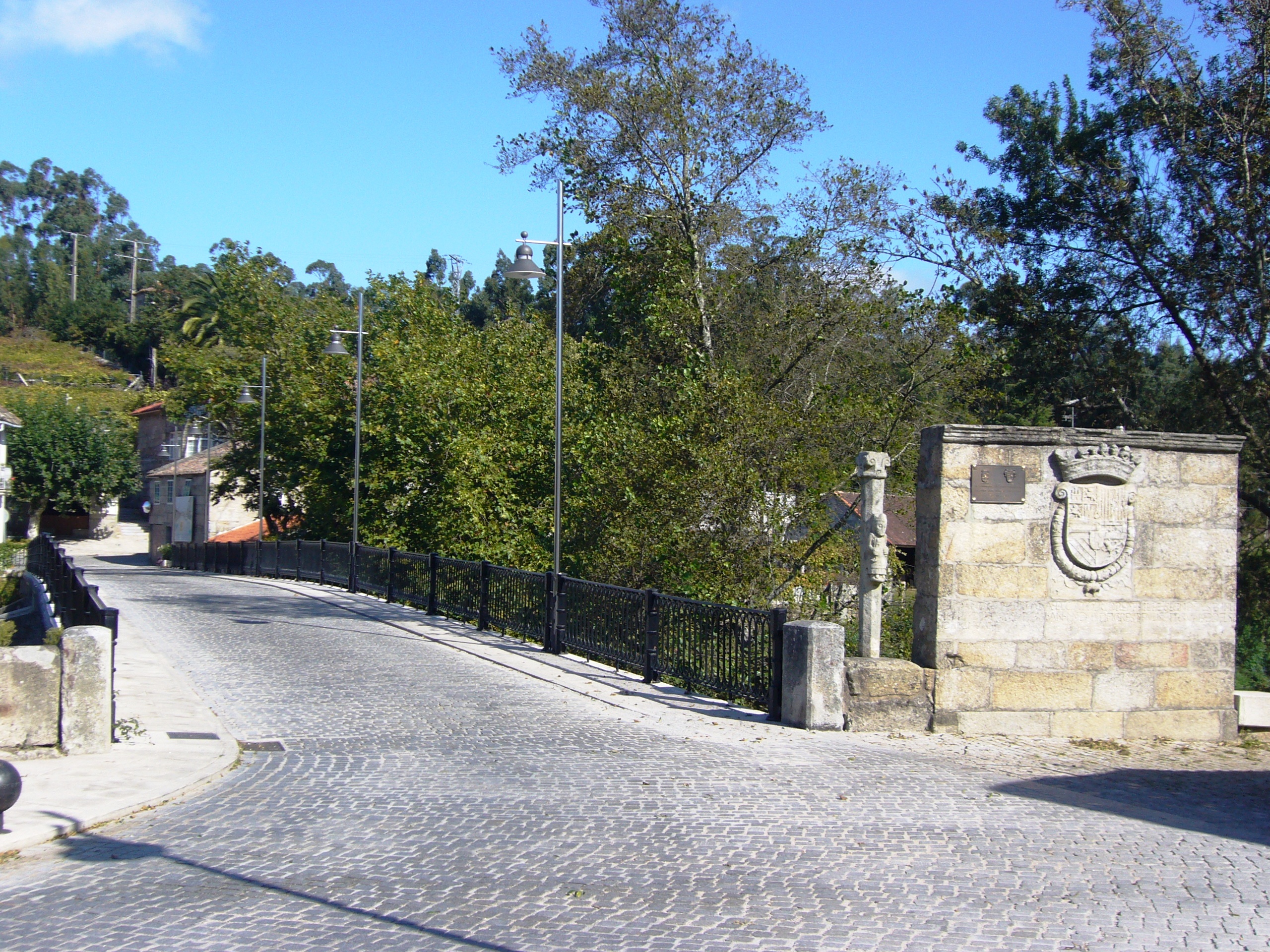
We leave Redondela towards the Arcade, famous for its oysters. Accompanied by the Vigo estuary, we cross lush forests until we reach the historic Ponte Sampaio in the direction of Pontevedra.
Accommodation in Pontevedra.
Pontevedra - Armenteira
Difficulty: easy.
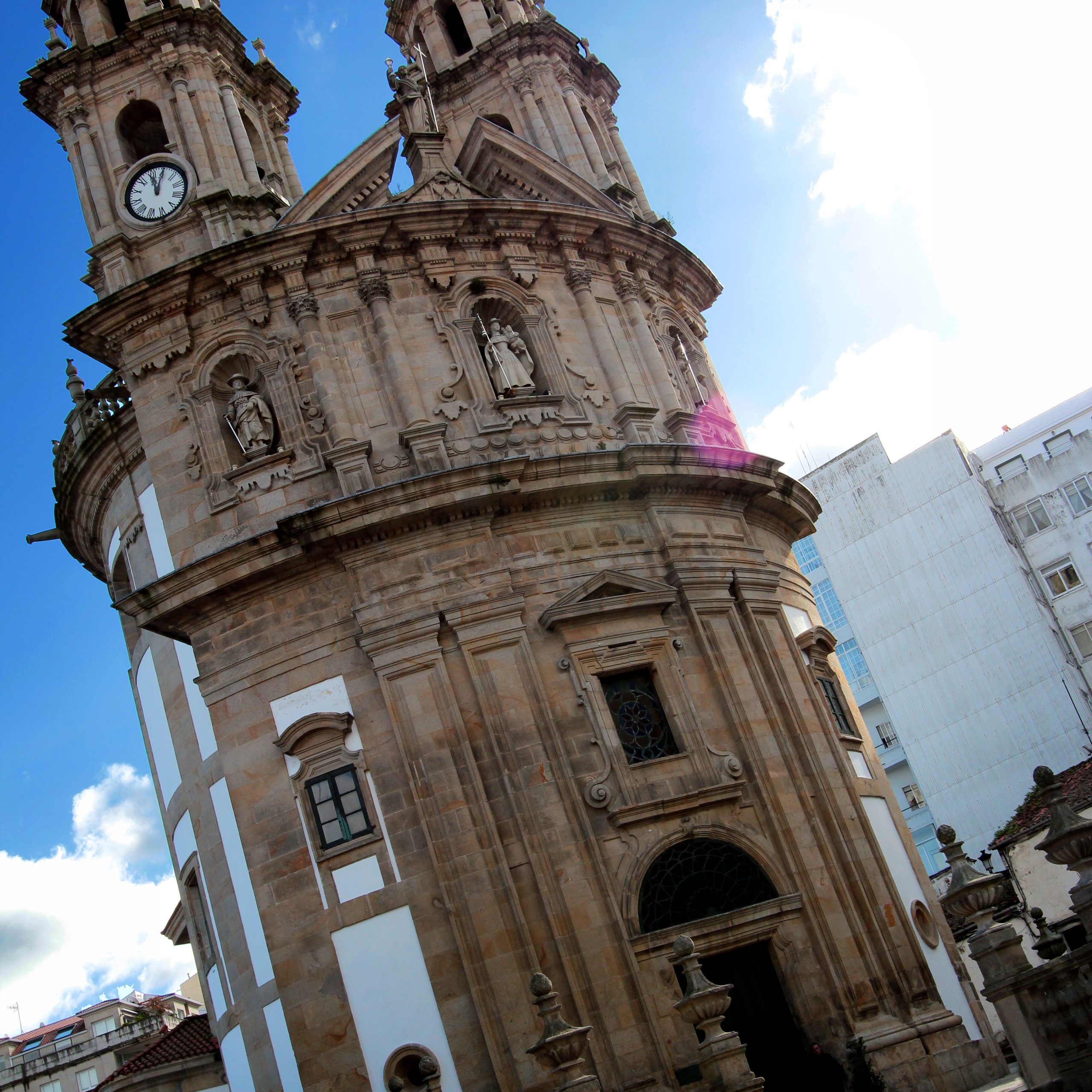
Starting at the Peregrina Square, in Pontevedra, the route runs through the landscapes of the O Salnes region, passing through the town of Poio with its old monastery and the beautiful coastal town of Combarro. The destination of the stage is the amazing Monastery of Armenteira, a construction steeped in history since the 12th century.
Accommodation in Armenteira.
Armenteira - Vilanova de Arousa
Difficulty: easy.
The stage of the sixth day begins by going through the “Ruta da Pedra e da Auga”, a path that borders the small Armenteira river, framed by exuberant vegetation and peaceful and picturesque corners. We will continue heading north through Ribadumia and Pontearnelas, to reach the coast in Vilanova de Arousa.
Accommodation in Vilanova de Arousa.
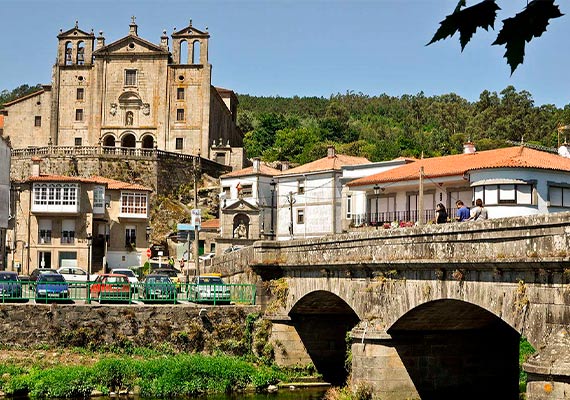
Vilanova de Arousa - Padrón
Difficulty: easy.
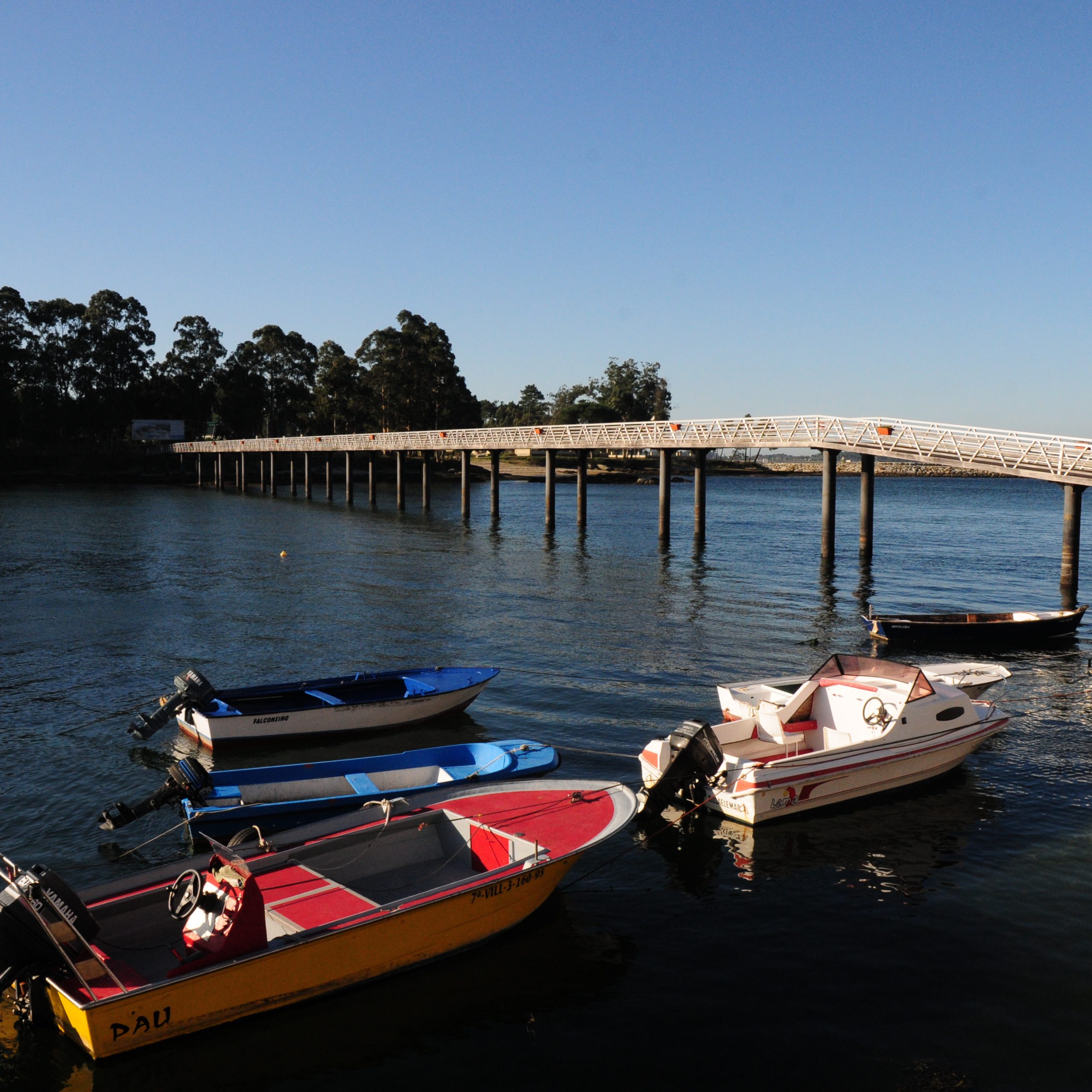
In the last stage, from Vilanova to Padrón, we will do the maritime route itself, the Traslatio. After setting sail from Vilanova de Arousa, we will go up the Arousa estuary until we reach the mouth of the Ulla River and navigate its last stretch to Pontecesures. Along the way you can go through the only fluvial maritime Via Crucis in the world, 17 crosses that mark the route of the Apostle. Once we have docked again on land, we will have a couple of kilometers to walk to Padrón.
Accommodation in Padrón.
Padrón - Santiago de Compostela
Difficulty level: easy.
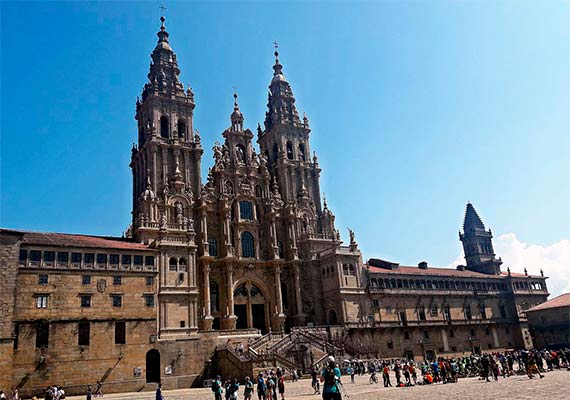
The last stage of the caminos. We will cross the N -550 road several times and be guided by the railway line. We first hike towards Iria Flavia and then begin an ascent to “O Milladoiro” to finally see the towers of the cathedral as we approach Santiago. Here the desire to arrive is combined with the pain of parting, that this unique experience is over.
Accommodation in Santiago de Compostela.
Santiago de Compostela
Buen Camino, and see you next time!

Room with private bathroom
Breakfast included
Luggage transport for each stage on the way (max. 20 kg – 1 piece of luggage per person)
Boot von Vilanova nach Pontecesures
Tour durch die Altstadt von Santiago de Compostela mit Guide
Galician cheese tasting in Santiago
24-hour emergency line
Detailed information with stage maps
Pilgrim pass
Pilgrim scallop
Travel Insurance

Half board supplement: 25 € / person / night
Private transfer to Baiona: on request
Private transfer to the airport: on request
One day Tour Santiago – Catedrales Beach (Monday, Wednesday, Saturday): on request
One day Tour Santiago – Ribeira Sacra (Tuesday, Thursday, Saturday): on request
Extra piece of luggage: €8 per stage and piece of luggage (maximum 20 kg)
Extra nights: on request
Travel cancellation insurance
Camino de Santiago with Support
Camino Portugués from Baiona to Santiago (Spiritual variant)

Starting at 690 € *
Price per person in a double room
Price per person, based on double occupancy.