Between the towns of Baiona and Cape Fisterra lies a true paradise on earth, a stretch of coast shaped by the unique way the Atlantic Ocean carves its way into
Galicia: the
Rías Baixas.
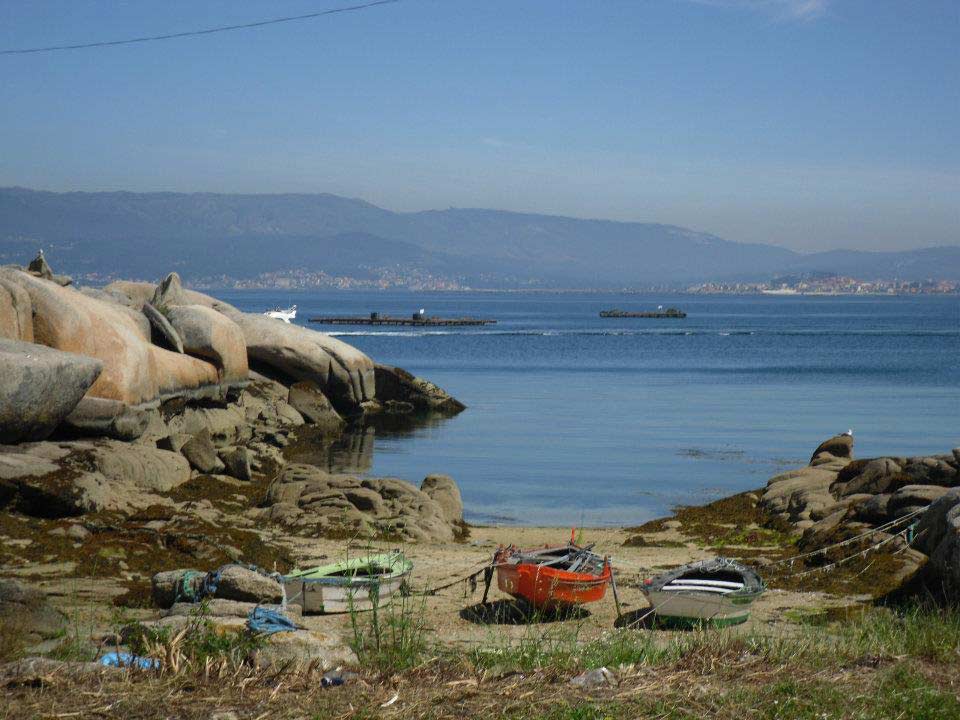
With unparalleled fine sandy beaches rarely found elsewhere, crystal-clear waters, lush green islands surrounded by vast blue seas, quintessential Galician forests that meet the ocean, and towns that combine the tradition of fishing villages with the charm of bustling summer destinations, this is a one-of-a-kind destination.
And, of course, the seafood, fish, and wines from this fertile land, calm waters, and privileged climate add to the many reasons to visit the Rías Baixas.
Which are those Rías Baixas?
The
Rías Baixas encompass the estuaries of Vigo, Pontevedra, Arousa, and Muros-Noia. These rías feature a diverse coastline with cliffs and expansive beaches, accessible by both road and sea, thanks to numerous ports.
Its mild climate and abundant autumn and winter rains create lush green landscapes that leave visitors in awe.
Ría de Vigo: find the best beach in the world
Among the estuaries that make up the
Rías Baixas region, the
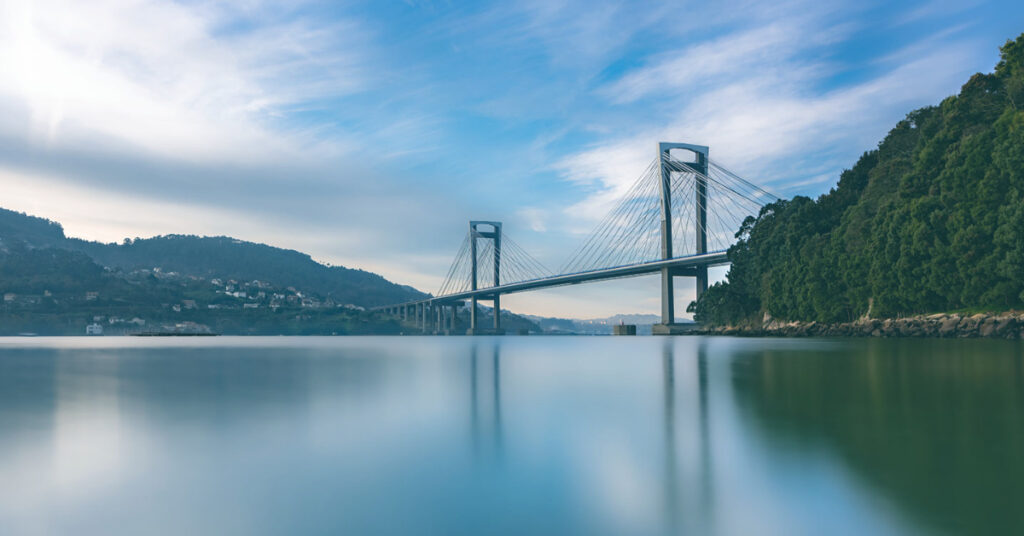
Ría de Vigo is one of the deepest and largest, renowned for its natural beauty and economic significance.
This estuary is home to one of Europe’s most important fishing ports, Vigo, and is a hub for the seafood and canning industries. The Illas Cíes (Cíes Islands), located at the mouth of the estuary, are a protected natural paradise and part of the Atlantic Islands of Galicia Maritime-Terrestrial National Park.
They house the Rodas Beach, which “The Guardian” once named the best beach in the world.
The
Ría de Vigo is also known for its picturesque coastal towns and sandy beaches, such as the urban Samil, Patos, or Barra—a nudist beach considered one of the most beautiful in
Galicia.
Moreover, the estuary is steeped in history and legends, including tales of pirate-hidden treasures.
Ría de Pontevedra: the Pilgrim’s one
The Ría de Pontevedra is another gem of the
Rías Baixas. Along its shores are charming towns like Sanxenxo and Combarro, the latter famous for its seaside granaries and stone crosses. The estuary is ideal for water sports and enjoying its numerous beaches, such as Silgar Beach.
The Ría de Pontevedra also boasts cultural and historical significance, with archaeological sites and remnants of ancient civilizations that reflect the region’s rich heritage. Additionally, it plays a key role in the
Camino Portugués, offering a unique experience for pilgrims. In Pontevedra city, where the Lérez River meets the estuary, you can visit the Sanctuary of the Pilgrim Virgin.
Ría de Arousa: along Saint James path
The Ría de Arousa is the largest of the
Rías Baixas and is considered one of the richest in the world due to the unique composition of its waters.
Historically significant, this estuary is where the body of
Saint James arrived in Compostela, making it a pivotal location. This is the site of the maritime “Traslatio” in the “stone boat” to the “Pedrón de Oro” (which gives its name to the town of Padrón), before continuing by ox cart to what is now
one of Christianity’s major pilgrimage destinations.
Ría de Muros & Noia: maritime tradition preserved
The Ría de Muros & Noia is one of the most tranquil and less explored rías, offering a perfect retreat for those seeking peace and an authentic taste of fishing village life.
The towns of Muros and Noia are historical treasures, with cobblestone streets and old stone buildings. In Muros, visitors can explore its lively fishing port, bustling with small boats bringing in delicacies like sardines, crabs, and razor clams.
The beaches of this estuary, such as San Francisco Beach, are ideal for enjoying tranquility and natural beauty. This ría extends to
Cape Finisterre, which marks the transition to Galicia’s Rías Altas.
Rías Baixas: nature, cuisine, and wine
The
Rías Baixas are famed not only for their stunning landscapes but also for their exceptional cuisine and wines.
The region’s seafood is celebrated worldwide, thanks to the nutrient-rich waters and the phenomenon of upwelling, where cold, nutrient-laden waters rise to the surface, creating an ideal marine environment. This process enriches the flavor of Galician seafood and makes it a delicacy.
Hidden treasures: the shellfish gatherers
For over 500 years, women known as “mariscadoras” have cultivated and harvested mollusks from the fertile sands of the rías, such as the famous Carril clams. Their work requires physical strength and deep knowledge of traditional practices that balance harvesting with conservation.
Iconic to the rías are the floating mussel farms, or “bateas,” which visitors can explore on catamaran tours.
The O Grove Peninsula, often called the “Galician Caribbean” or “Galifornia,” is renowned for its pleasant climate and outstanding seafood. The region hosts the Seafood Festival, declared a National Tourist Interest Event.
Rías Baixas: a Pilgrim’s path through history
The
Rías Baixas are deeply rooted in the history of the
Camino de Santiago, particularly the Portuguese Way and its Spiritual Variant. This route offers pilgrims a unique mix of spirituality, history, and natural beauty.
Rías Baixas: the Perfect destination
The
Rías Baixas offer breathtaking scenery, rich history, exceptional gastronomy, and vibrant culture.
From the
Albariño vineyards and wineries to fine sandy beaches and charming fishing villages, this region of Galicia is a must-visit destination for any traveler.
The Rías Baixas truly have something for everyone.