The Camino de Santiago is an unforgettable journey no matter the time of year, but embarking on the Saint James Way in winter offers a special kind of charm. While most pilgrims prefer the warmer and drier months of spring and summer, taking on the Camino in winter provides a completely different perspective.
Walking Saint James Way in winter is an experience filled with tranquility, introspection, and a deep connection with nature. While the route is not without its challenges, there are some important aspects every winter pilgrim should know before embarking on this extraordinary journey.
Why walking the Camino in Winter?
Peace and solitude along The Way
One of the greatest attractions of walking the Camino in winter is the serene atmosphere. With significantly fewer pilgrims on the trail, you can enjoy long stretches of solitude and self-reflection. It’s an ideal option for those seeking a more introspective or spiritual experience, as you can walk for miles with just the landscape as your companion.Breathtaking Winter landscapes along Saint James Way
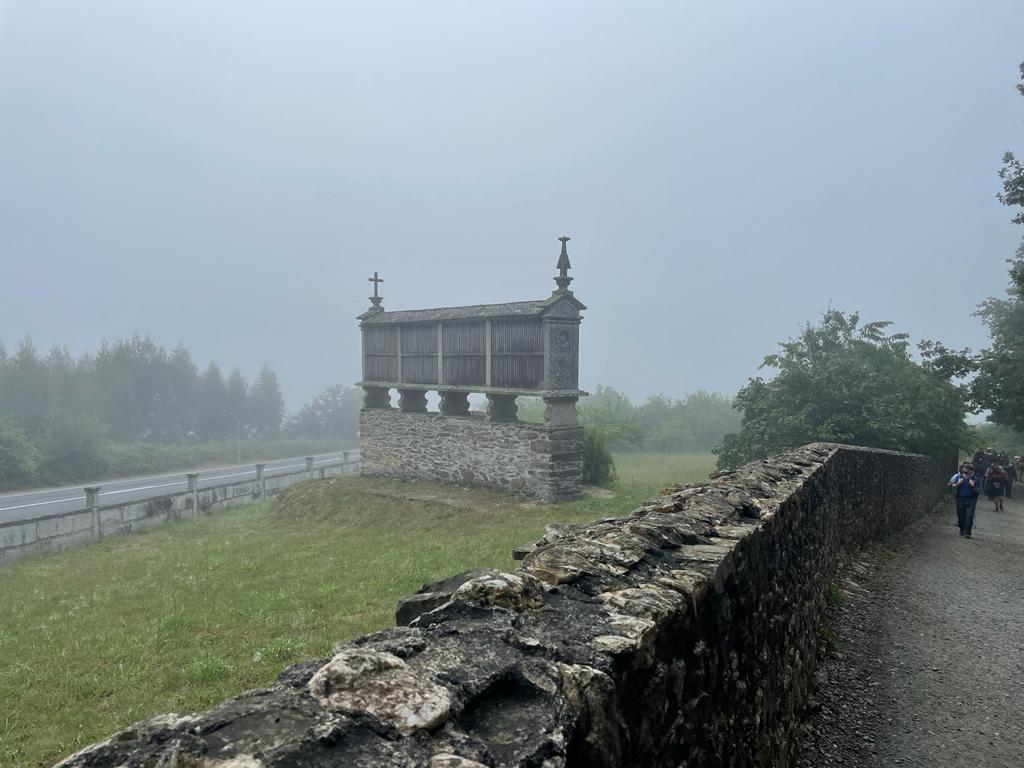
The Camino transforms into a magical setting during winter. Snow-capped peaks, misty mornings, and winter vegetation create dreamy views, particularly in mountainous areas like O Cebreiro on the French Way. The crisp air and stunning sunrises and sunsets add a unique layer of beauty to the journey. For those looking to avoid the snow in high-altitude areas, the Winter Way (Camino de Invierno) offers an alternative route that was historically created to bypass the snowy passes.Challenges of The Way in Winter
Weather conditions along Saint James Way
Winter weather can be unpredictable, with heavy rains, strong winds, freezing temperatures, and snow in certain areas. This makes the stages tougher and more physically demanding, particularly in higher elevations like O Cebreiro or Alto do Poio on the French Way.Shorter Days
With fewer daylight hours in winter, careful planning is essential to ensure you complete each stage before nightfall. Starting early and managing your time effectively is key to staying safe.Accommodation availability on The Way
While winter means fewer crowds, it also means some accommodations may close during the off-season. The upside? In the places that remain open, you’ll often receive more personalized attention from hosts who have more time to care for pilgrims.Camino de Santiago: special gear for winter hiking
Proper clothing and equipment are essential. Dress in layers: a thermal and breathable base layer, insulating middle layer, and waterproof outer layer. Wear sturdy, waterproof hiking boots with non-slip soles, and don’t forget gloves, a scarf, and a warm hat. Even in winter, the sun and snow glare can be intense, so sunscreen and quality sunglasses are a must. Trekking poles and lightweight crampons can also help maintain stability on icy or snowy paths.Top routes for t Saint James Way in Winter
While every Camino route is accessible during winter, some are better suited to the season:- French Way (Camino Francés) This is the most popular route with the best infrastructure, even in winter. Snow-covered landscapes in areas like O Cebreiro make it particularly picturesque.
- Portuguese Way (Camino Portugués) With milder temperatures and fewer mountainous sections, this route is a great option for winter pilgrims.
- English Way (Camino Inglés) This shorter route from Ferrol or A Coruña is ideal for those with limited time. Its relatively moderate climate makes it manageable during winter.
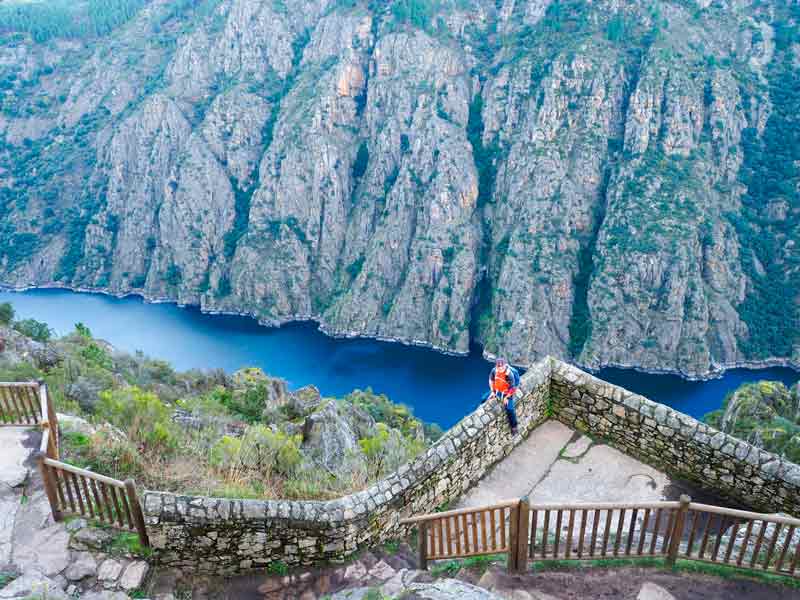
- Winter Way (Camino de Invierno) Designed specifically to avoid snowy peaks, this lesser-known route passes through stunning landscapes in Ourense and the Ribeira Sacra, known for its breathtaking nature and exquisite wines.